




The Overcrowded Tourist Trail
For decades, the Indian travel circuit has often felt like a well-worn map. The Golden Triangle, the beaches of Goa, the backwaters of Kerala, and the Himalayan retreats of Shimla and Manali dominate itineraries for both domestic and international tourists.
While these destinations are popular for a reason, their immense success has led to a predictable problem: overtourism. This phenomenon not only results in crowded attractions, strained local resources, and skyrocketing prices during peak seasons, but it also means countless other spectacular locations across the country remain overlooked. Travellers miss out on unique cultural experiences, and local economies in less-frequented regions fail to benefit from the tourism boom. This imbalance has long been a challenge, leaving visitors with a narrow, often repetitive, view of India’s vast and diverse offerings.
A Digital Solution Takes Shape
Recognising this challenge, the Ministry of Tourism is spearheading a transformative digital push designed to rewrite India's travel narrative. The core idea is to use technology to make the entire tourism ecosystem more connected, discoverable, and trustworthy. On World Tourism Day 2026, the government launched the National Digital Tourism Stack (NDTS), a groundbreaking initiative in partnership with the Open Network for Digital Commerce (ONDC). Instead of creating another standalone website or app, the NDTS is an open digital infrastructure. This means any tourism provider, from a homestay in a remote village to a local guide, can list their services once and become visible across multiple participating digital platforms, from large online travel agencies to niche apps. The goal is to break down the fragmented experience of booking a trip, where a traveller currently juggles different apps for flights, hotels, and local activities. This initiative aims to level the playing field, giving smaller, lesser-known providers the online visibility they've been missing.
Your New AI-Powered Travel Planner
This digital push is not just about backend infrastructure; it is designed to directly empower the traveller. Artificial Intelligence (AI) is a major component of this strategy, intended to act as a personal digital travel agent. The revamped Incredible India portal, for instance, already uses AI to provide personalised recommendations and itineraries. The vision for the NDTS is even more ambitious, aiming for a “One ticket, One pass” experience that seamlessly integrates all aspects of a journey. This AI-first approach will help travellers discover new places based on their interests, not just popularity. Imagine an AI suggesting a trip to a craft village in Odisha or a forgotten fort in Rajasthan, complete with verified homestays, local transport options, and guides—all discoverable on a connected network. This system will also handle challenges like provider credibility, secure payments, and grievance redressal, allowing tourists to travel with greater confidence.
Spotlighting the Unseen India
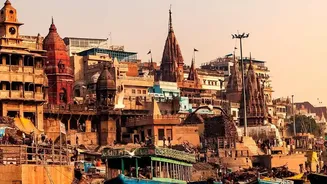
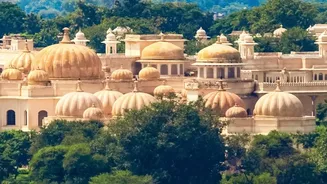
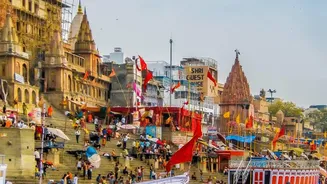
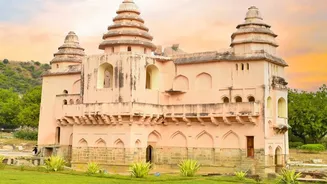
The digital strategy is running parallel to a concerted effort to promote alternative destinations. The 'Dekho Apna Desh 2.0' campaign was launched specifically to encourage tourists to explore places beyond the major hubs. The government is working with states to identify destinations with tourism potential that are ready to handle more visitors without being overwhelmed. Complementing this is the Utsav Portal, a digital calendar of India’s vibrant festivals, events, and live temple darshans. This platform allows travellers to plan trips around unique cultural events, from the Badamwari Spring Blossom Fest in Kashmir to the Theppa Thiruvizha float festival in Tiruchirappalli. By showcasing these hyperlocal experiences, the portal aims to draw tourists to regions they may have never considered, distributing the economic benefits of tourism more evenly and offering a more authentic slice of Indian life.
The Road Ahead for the Indian Traveller
The plan is ambitious, with a phased rollout scheduled through 2028. The initial target is to bring over 23,000 tourism experiences and homestays onto the digital network. For this vision to succeed, significant work is needed beyond just the technology. Developing infrastructure like last-mile connectivity in rural areas and ensuring local communities are equipped with the necessary digital skills will be crucial. The government is also signing partnerships with private players like Airbnb and MakeMyTrip to strengthen destination promotion and responsible tourism. For the average traveller, the change may not be immediate, as the pilot phase is expected to begin in early 2027. However, the foundation is being laid for a future where planning a trip in India is not just easier, but also full of surprising and delightful discoveries far from the madding crowds.