




The Rain Shadow Advantage
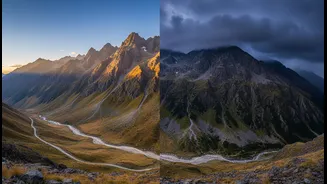
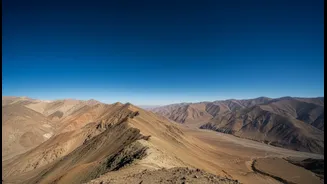
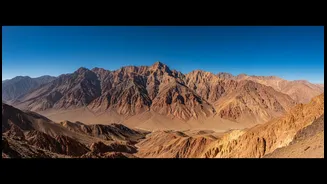
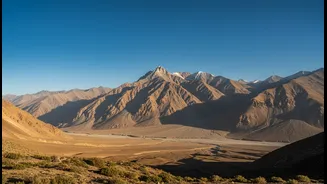
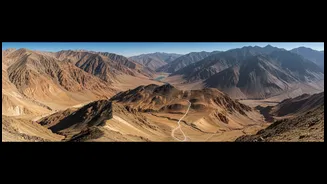
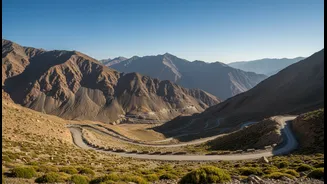
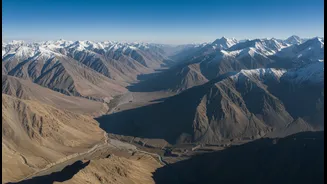
The secret to Spiti and Ladakh’s appeal lies in a simple geographical phenomenon: the rain shadow effect. The towering Himalayan ranges to the south act as a colossal wall, blocking the moisture-laden monsoon clouds that drench the rest of the subcontinent
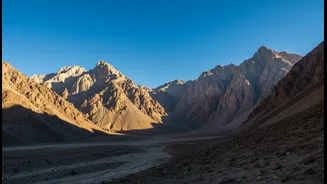
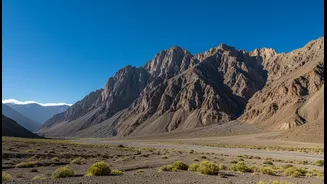
from June to September. While popular hill stations grapple with downpours, landslides, and humidity, these trans-Himalayan regions enjoy a season of clear blue skies, bright sunshine, and comfortably warm daytime temperatures. This makes them a uniquely reliable and pleasant destination during a time when travel elsewhere can be unpredictable. The weather remains largely dry, turning what is the wettest season for most of India into the peak travel season for these cold deserts.
Why 'Smart'? It's About More Than Just Weather
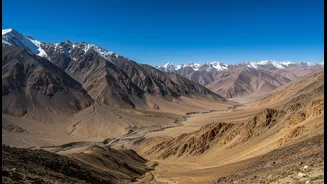
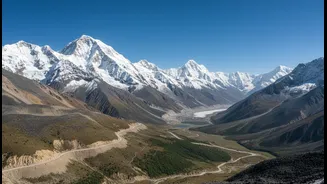
Choosing Spiti or Ladakh during the monsoon is more than a clever weather hack; it's a strategic move for a better travel experience. While these regions are popular, the monsoon period sees fewer crowds compared to the summer holiday rush in mainstream destinations. This translates to more serene monasteries, quieter trails, and a greater sense of solitude amidst the vast landscapes. The air is crisp and clean, and the valleys, fed by melting snow, can display a surprising flush of green and wildflowers, creating a stunning contrast against the barren, multi-hued mountains. For photographers and stargazers, the clear, pollution-free skies offer dramatic cloudscapes by day and brilliant views of the Milky Way by night.
The Journey Is Part of the Adventure
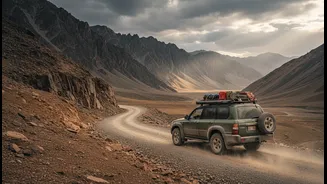
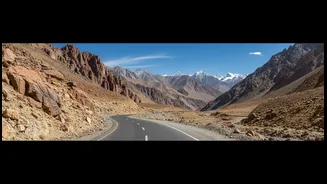
Getting to this high-altitude paradise is an integral part of the experience. The two primary routes to Spiti are from Shimla via Kinnaur and from Manali via the Kunzum Pass. Similarly, Ladakh is accessible from Srinagar and Manali. It's crucial to remember that while your destination is dry, the journey there is not. The approach roads, particularly through the lower parts of Himachal and Kashmir, are prone to monsoon-related challenges like landslides, water crossings, and traffic delays. The Manali-Kaza and Manali-Leh highways are particularly notorious for their rough patches and snowmelt streams. Smart planning involves building buffer days into your itinerary, starting drives early to cross water crossings when levels are low, and hiring experienced local drivers who understand the terrain.
Planning Your High-Altitude Escape
A trip to Spiti or Ladakh requires thoughtful preparation. The most critical aspect is acclimatisation. Ascending to altitudes above 10,000 feet too quickly can lead to Acute Mountain Sickness (AMS). The recommended approach, especially for Spiti, is to take the gradual route from Shimla, allowing your body to adjust over several days. If flying directly into Leh, plan for at least two days of complete rest before sightseeing. Packing should include layers: warm jackets for the cold nights, light clothing for sunny days, and sturdy, waterproof shoes. While the region is mostly dry, recent climate patterns have shown occasional light showers are possible, so a rain jacket is a wise addition. Always check the latest road status from official sources like the Border Roads Organisation (BRO) before and during your trip, as conditions can change overnight.