



The Monsoon Makes Landfall
The annual southwest monsoon has made its grand entrance, blanketing India’s vast coastlines with the torrential rains and gusty winds that define this powerful season. From the shores of Kerala to the beaches of Goa and up along the Konkan coast, the weather
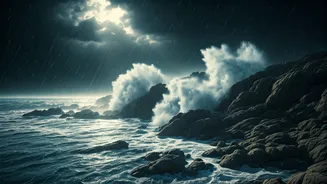
has transformed. What were sun-drenched tourist spots are now moody, atmospheric landscapes pounded by the Arabian Sea. The India Meteorological Department (IMD) has been issuing regular updates, forecasting intense spells of rain and warning of rough sea conditions. But while authorities advise caution and many residents prepare for potential waterlogging and disruptions, another group sees this dramatic weather as an invitation. They are the monsoon chasers.
Who Are the Monsoon Chasers?
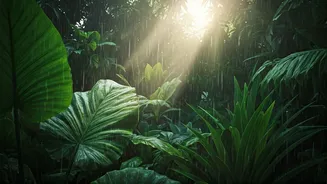
This isn't about chasing tornadoes in the Indian context. Monsoon chasing is a unique, informal subculture of travellers, photographers, and nature enthusiasts who actively seek out the most intense and beautiful aspects of the rainy season. They aren't looking for danger, but for an experience: the smell of the first rain on dry soil (petrichor), the sight of lush, freshly-washed greenery, the dramatic cloud formations, and the thunderous roar of the sea. For them, the monsoon is not an inconvenience to be endured; it is the main event, a spectacle of nature's raw power and rejuvenating force. They swap tips online, share stunning photographs on social media, and plan road trips around the monsoon's progression.
The Ultimate Chaser's Map
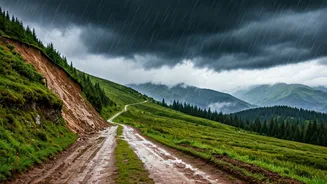
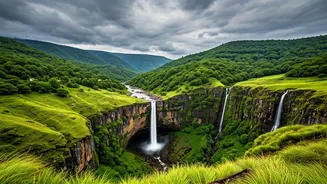
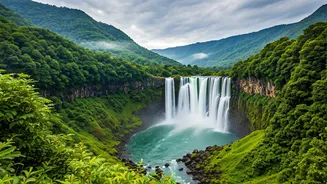
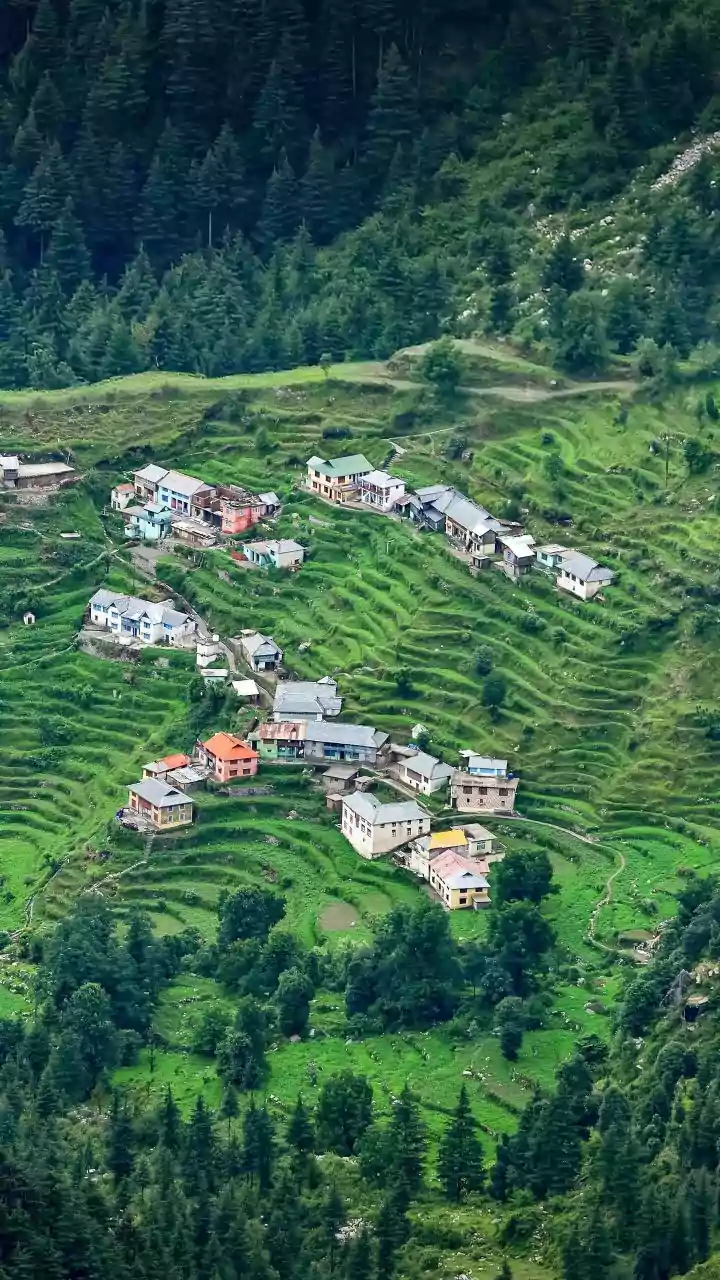
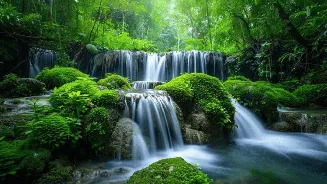
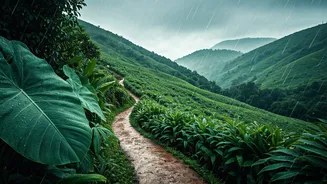
Certain locations have become legendary among monsoon aficionados. The Western Ghats, a UNESCO World Heritage Site, turns into a verdant paradise, with waterfalls like Dudhsagar in Goa becoming roaring spectacles. The drive from Mumbai to Goa becomes an adventure through mist-covered roads and emerald hills. In Kerala, the backwaters take on a different, more mystical character, with houseboats navigating through grey, rain-pocked waters under a dramatic sky. Hill stations like Matheran or Lonavala in Maharashtra offer breathtaking views of clouds rolling into valleys below. These spots offer what chasers crave most: a front-row seat to the monsoon's theatre, away from the concrete chaos of the city where rain often just means traffic jams.
Capturing the Perfect Storm
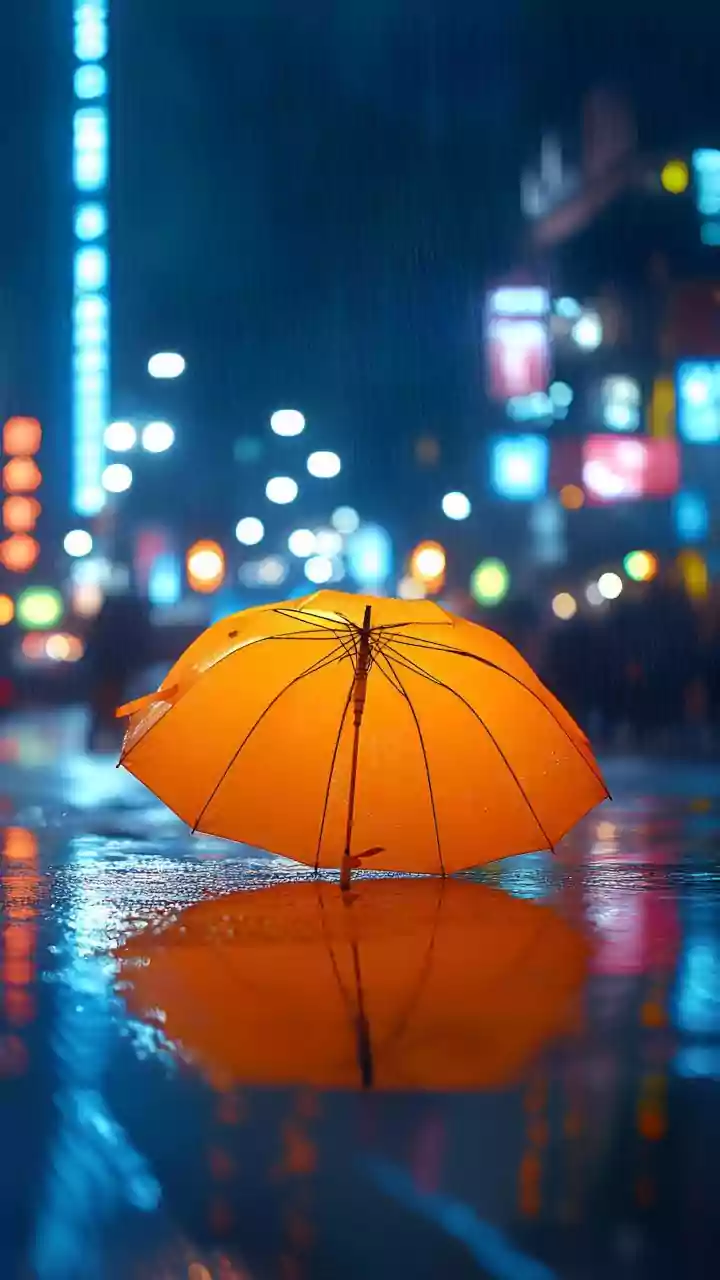
For many, the chase is incomplete without a camera. Monsoon photography is a genre in itself, filled with challenges and unique rewards. It’s about capturing the glisten of a wet leaf, the reflection of a street lamp in a puddle, or the dramatic silhouette of a coconut tree swaying against a dark sky. Photographers invest in waterproof gear and spend hours waiting for the perfect shot. The goal is to convey the mood—the romance, the melancholy, the sheer force—of the season. Social media feeds light up with hashtags like #MonsoonMagic and #RainyDays, creating a collective, real-time chronicle of the monsoon's journey across the country.
Beauty with a Side of Caution
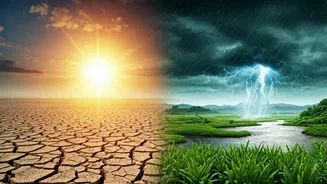
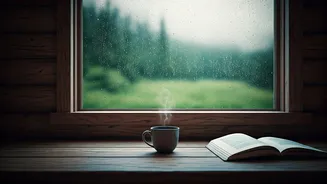
While the allure is undeniable, the monsoon's power demands respect. The same rains that create breathtaking landscapes can also trigger landslides in hilly areas and cause flash floods in low-lying regions. Seasoned chasers know the importance of staying informed and being prepared. They monitor weather alerts from official sources, avoid trekking on unstable slopes, and never underestimate the power of a swollen river or rough seas. The key is to embrace the adventure without taking unnecessary risks. Enjoying a hot cup of chai at a viewpoint overlooking a rain-swept valley is the goal; getting caught in a dangerous situation is not.