








1. Ginger (Adrak)
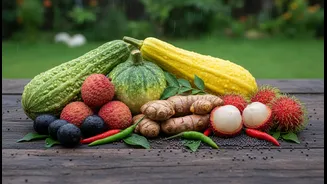
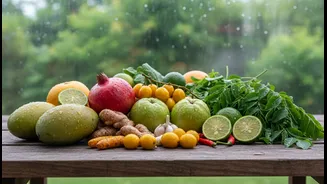
A staple in Indian kitchens, ginger is a monsoon powerhouse. Its anti-inflammatory and antimicrobial properties are excellent for fighting off the colds, coughs, and sore throats that are common during this season. It also works wonders for your digestive
system, which tends to be sluggish in the humidity. A warm cup of ginger tea or adding it generously to your dals and curries can help soothe your stomach and keep infections at bay.
2. Turmeric (Haldi)
This golden spice is a celebrated immunity booster for good reason. Turmeric contains curcumin, a compound with powerful antiseptic and anti-inflammatory effects. During a season when your immunity is naturally lower and microbial activity is high, adding a pinch of turmeric to your food or a glass of warm milk can help your body fight off infections.
3. Garlic (Lehsun)
Like ginger, garlic is a formidable ally against monsoon ailments. Known for its potent antiviral and antibacterial properties, garlic helps strengthen your body's defenses. It stimulates the production of white blood cells, which are crucial for fighting infections. Incorporating it into soups, stews, and vegetable preparations is an easy way to leverage its health benefits.
4. Moong Dal (Split Green Gram)
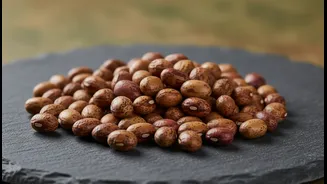
During the monsoon, heavy meals can tax your digestive system. Moong dal is light, easy to digest, and packed with protein and fiber. Warm preparations like dal soup or a simple khichdi made with moong dal are perfect rainy-day meals. They provide essential nutrients without overwhelming your gut, helping to prevent issues like bloating and indigestion.
5. Gourds like Lauki and Karela
Vegetables like bottle gourd (lauki), bitter gourd (karela), and ridge gourd are excellent choices for the rainy season. They are rich in essential nutrients, have high water content (which helps with hydration), and are easy on the stomach. Ayurveda recommends cooked gourds as they are light and help maintain a healthy digestive system, which is crucial when waterborne diseases are a risk.
6. Seasonal Fruits like Jamun and Pomegranate
While you should be careful with raw foods, certain seasonal fruits are highly beneficial. Jamun (black plum) is a classic monsoon fruit that helps with digestion and gut health. Pomegranates and apples are also great choices, as they are packed with antioxidants that support your immune system. Always wash fruits thoroughly before eating.
7. Probiotics (Fresh Curd/Yogurt)
A healthy gut is the foundation of a strong immune system. Probiotics found in fresh, homemade curd (yogurt) and buttermilk support the growth of beneficial gut bacteria. This helps improve digestion and protects against stomach infections. Ayurvedic tradition suggests having curd at lunchtime and avoiding it at night during the monsoon.
8. Herbal Teas (Kadha)
Nothing soothes the soul on a rainy day like a warm cup of tea. Herbal concoctions made with ingredients like tulsi (holy basil), ginger, black pepper, and cinnamon are fantastic for monsoon health. These spices have antibacterial and anti-inflammatory properties that help prevent coughs, colds, and sore throats, making it a perfect immunity-boosting drink.
9. Barley (Jau)
Barley is a light and easily digestible grain that is highly recommended during the monsoon. According to Ayurveda, it helps the body manage excess water that can accumulate during this season. It's a great alternative to heavier grains and can be used in soups, porridges, or as a substitute for rice to keep meals light yet nutritious.
10. Nuts and Seeds
A small handful of nuts and seeds like almonds, walnuts, and pumpkin seeds can provide a powerful nutritional punch. Almonds are rich in Vitamin E, while walnuts provide omega-3 fatty acids that help control inflammation. Pumpkin seeds are a good source of zinc, a mineral essential for a robust immune response. They make for a healthy, filling snack that keeps you away from less-healthy fried options.