




Myth: He Couldn't Win for Argentina
This was the most persistent criticism of Messi for over a decade. The narrative was that while he was a genius for Barcelona, he couldn't replicate that success for his country. The pain was real, with heartbreaking losses in three consecutive major
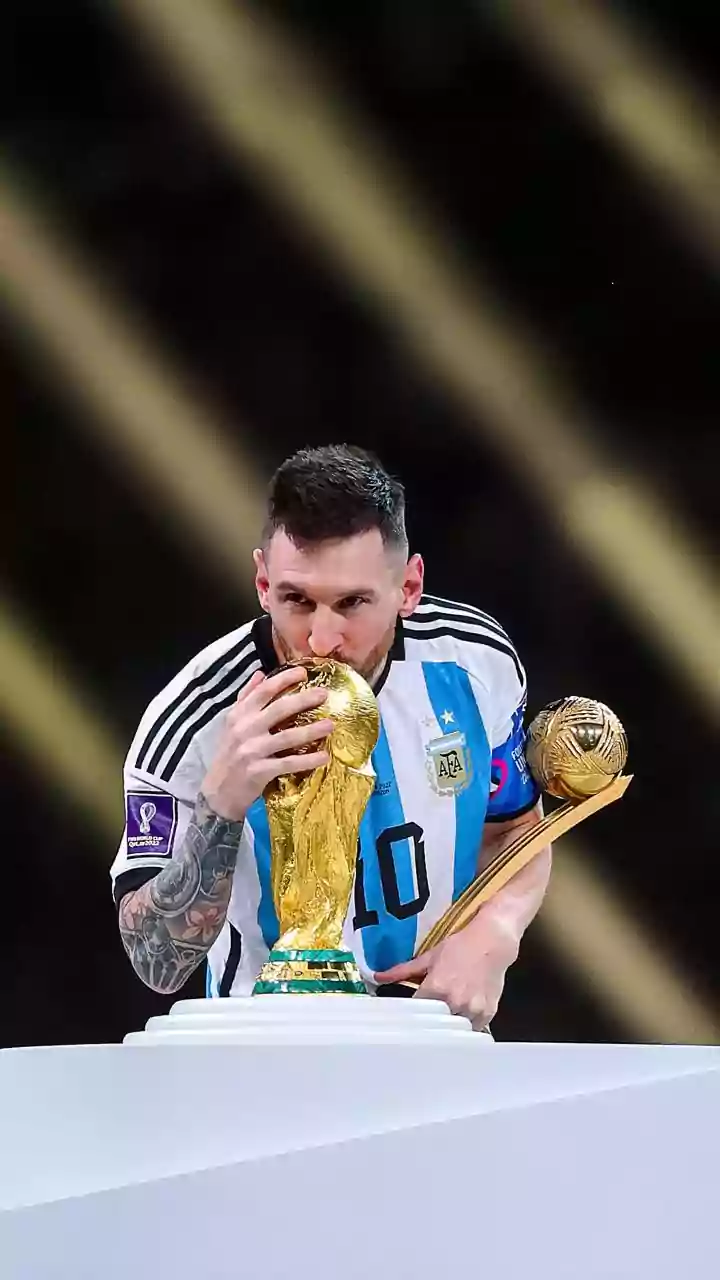
finals: the 2014 World Cup, the 2015 Copa América, and the 2016 Copa América. Many thought the dream was over. But the final act of his international career completely rewrote the story. He led Argentina to a triumphant victory at the 2021 Copa América, their first major trophy in 28 years, where he was named the tournament's best player. This was followed by the ultimate prize: the 2022 FIFA World Cup. In one of the greatest finals ever played, Messi scored twice and was central to Argentina's victory, cementing his legacy and forever silencing the doubters.
Myth: He Isn't a Big-Game Player
The idea that Messi disappears in important matches is one of the most baffling myths. The statistics simply say otherwise. Across his career in all club and international finals, he has been incredibly productive. He has scored 35 goals and provided 17 assists in 51 final appearances. This includes goals in two separate Champions League finals against Manchester United in 2009 and 2011, and a starring role in another in 2015. He has a perfect winning record in the Champions League finals he has played in. And, of course, he scored in the group stage, round of 16, quarter-finals, semi-finals, and final of the 2022 World Cup, a feat never achieved before. Far from being a passenger, Messi has consistently been the decisive factor when trophies are on the line.
Myth: He Only Thrived Because of Xavi and Iniesta
For years, critics suggested Messi's genius was a product of Barcelona's legendary midfield duo, Xavi Hernández and Andrés Iniesta. While they formed perhaps the greatest trio of the modern era, Messi's excellence continued long after they departed. Xavi left Barcelona in 2015 and Iniesta in 2018. In the seasons that followed, Messi continued to produce staggering numbers, winning multiple La Liga titles and Pichichi trophies as top scorer. After Iniesta's departure, Messi scored 41 goals in 38 matches in the following season. Furthermore, his subsequent major international triumphs with Argentina and individual awards, including multiple Ballon d'Or wins after 2015, were achieved without his iconic club teammates, proving he was the system, not just a part of it.
Myth: He Is Not a Leader
This myth stems from a misunderstanding of what leadership is. Messi isn't the vocal, chest-thumping captain often seen in sports movies. His leadership is quieter, but no less powerful. Teammates consistently describe a leader who leads by example. Former Argentine teammate Pablo Zabaleta explained, "He's not someone who talks constantly, but when Messi speaks in the dressing room, everyone listens." His leadership is demonstrated by his relentless work ethic, his calm composure under immense pressure, and his willingness to always take responsibility in critical moments. This was never more evident than during the 2022 World Cup, where he was the clear emotional and spiritual core of a victorious team, inspiring belief in a squad that followed him unconditionally.
Myth: He Would Have Failed in the Premier League
The classic hypothetical: "Could he do it on a cold, rainy night in Stoke?" While he never played in the Premier League, his record against English clubs is an emphatic answer. In 36 Champions League appearances against the Premier League's top teams—including Manchester United, Chelsea, Arsenal, Manchester City, Liverpool, and Tottenham—he scored 27 goals and provided 6 assists. That's a goal contribution in nearly every game against the very best of English football. He scored in two Champions League finals against Manchester United and put four goals past Arsenal in a single game. His ability to adapt and excel against diverse, physical opponents throughout his career suggests he would have more than managed.