







The Problem with Over-Planning
Many group trips or family outings go wrong because of a simple mistake: trying to schedule every minute. Jam-packed itineraries often lead to friction, as different people have different ideas of a perfect day. Some want adventure from sunrise to sunset,
while others prefer a slower pace. This mismatch in expectations is a common source of stress and disappointment, turning what should be an enjoyable experience into a test of patience. The pressure to stick to a rigid schedule can drain the spontaneity and joy out of any occasion. When plans are too structured, there’s no room for discovering a hidden gem, lingering over a great conversation, or simply resting when you need to. The result is often decision fatigue and the feeling that your vacation has become a series of deadlines.
The 'Anchor' and 'Spokes' Strategy
A more effective and enjoyable way to plan is to adopt the 'anchor' and 'spokes' model. This strategy involves choosing one main event for the day—the 'anchor'—that everyone agrees on and is excited about. This could be a museum visit, a special dinner reservation, a concert, or a hike to a scenic viewpoint. This anchor activity provides structure and a shared focus for the group. The 'spokes' are a collection of optional, low-pressure activities that individuals or smaller groups can choose to do before or after the main event. This approach acknowledges that not everyone has the same energy level or interests. It gives people the freedom to decide how to spend the rest of their time, whether that’s with high-energy exploration, a relaxed coffee break, or some quiet downtime.
How to Pick a Strong Anchor
The success of this planning method hinges on selecting the right anchor activity. A good anchor is the primary reason for the outing or the day's main highlight. It should be something that requires booking, has a fixed time, or is the one experience nobody wants to miss. For a city trip, it might be tickets to a popular theatre show. For a family reunion, it could be a planned group dinner. When traveling, this is often the most important tour, event, or reservation of the day. By focusing on locking in just this one essential element, planning becomes much less overwhelming. The goal is to secure the most important part of the day first, then build a flexible structure around it.
Creating Optional Plans by Energy Level
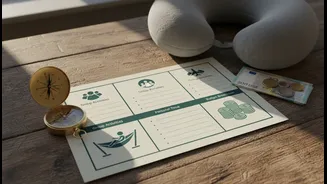
Once the anchor is set, the next step is to brainstorm optional 'spokes' that cater to different moods and energy levels. It’s helpful to discuss these possibilities as a group beforehand so everyone knows their options. You can even categorise them: High-Energy Options: These are for the adventurers in the group. Think a challenging hike, exploring a large market, or joining a walking tour. Medium-Energy Options: These activities are engaging but less strenuous. Examples include visiting a smaller gallery, shopping in a specific neighbourhood, or going for a gentle bike ride. * Low-Energy Options: For those who need to recharge, these are perfect. This could mean relaxing at a cafe, reading a book in a park, or heading back to the hotel for a nap. By providing choices, you empower everyone to listen to their own needs, preventing burnout and ensuring the trip is enjoyable for all.
The Benefits of Flexible Planning
Adopting the anchor-and-spokes method does more than just simplify scheduling; it transforms the entire dynamic of a group outing. It reduces planning stress by focusing on one key decision instead of a dozen. This flexibility allows for spontaneity and leaves room for unexpected opportunities that often become the most cherished memories. Most importantly, it respects individual needs and energy levels, fostering harmony within the group. When people feel they have a choice and are not being rushed from one obligation to the next, they are more relaxed and engaged. This balanced approach ensures that the time spent together is about connection and enjoyment, not just checking items off a list.