



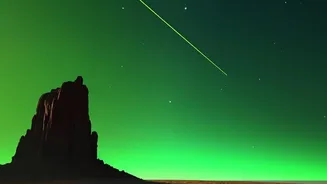
What Are the Perseids?
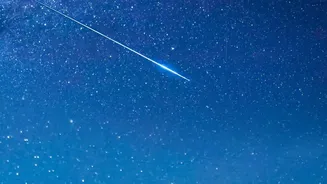
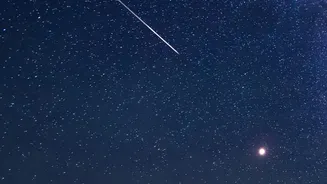
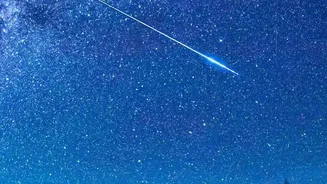
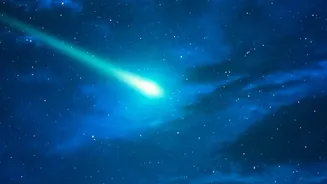
The Perseid meteor shower is one of the most beloved celestial events of the year, known for its bright, fast-moving meteors. These 'shooting stars' are not actually stars at all. They are tiny pieces of space debris, many no larger than a grain of sand,
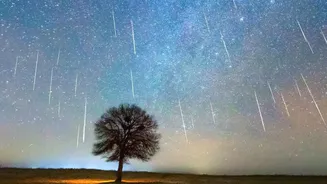
left behind by the comet 109P/Swift-Tuttle. Every August, the Earth passes through this trail of cosmic dust. As the particles hit our atmosphere at speeds of nearly 60 kilometres per second, they burn up, creating the spectacular streaks of light we see from the ground. The shower gets its name because the meteors appear to radiate from the constellation Perseus, but they can appear all across the night sky.
Why This Year Is Perfect for Viewing
Stargazers are in for a treat in 2026. The main reason for excitement is the Moon. During the shower's peak, the biggest obstacle to seeing fainter meteors is bright moonlight washing out the sky. This year, however, the peak of the Perseids coincides perfectly with the New Moon on August 12-13. This means the sky will be exceptionally dark, creating ideal conditions to spot not just the bright fireballs the Perseids are known for, but also the more numerous, fainter meteors. Experts predict that under these perfect, moonless conditions, viewers in dark locations could see between 50 and 100 meteors per hour.
When and Where to Watch in India
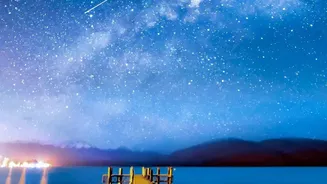
Mark your calendars for the night of August 12 and the early morning hours of August 13, 2026. While the shower is active from mid-July to late August, this is when the highest concentration of meteors is expected. The best time to watch is from midnight until just before dawn, when the shower's radiant point in the sky is at its highest. The main challenge for many in India will be the monsoon season. Heavy cloud cover can ruin the show. For the best chance of clear skies, consider heading to rain-shadow regions like Ladakh or Spiti, which are known for their high altitudes and clear, dark skies during this period. The Hanle Dark Sky Reserve in Ladakh is an ideal, though remote, location.
Your Ultimate Viewing Guide
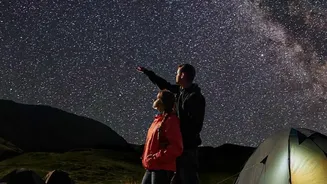
You don’t need a telescope or binoculars to enjoy a meteor shower; in fact, they limit your field of view. Your naked eyes are the best tool. The most crucial step is to get away from city and town lights. Find a location with a wide, unobstructed view of the sky, far from the light pollution of urban centres. Once you've found your spot, give your eyes at least 20-30 minutes to fully adapt to the darkness. This means no looking at your phone screen. If you need a light, use a torch covered with red cellophane, as red light is less likely to spoil your night vision. Lie back on a blanket or reclining chair, look up, and be patient. The show is worth the wait.
What to Pack for the Night
Comfort is key for a successful night of stargazing. Since you'll be sitting still for a long time, it can get chilly, even on a summer night. Pack warm clothing, including sweaters, a cap, and a blanket. A comfortable mat or reclining chair will save you from a stiff neck. Bring along some snacks and a thermos of a warm beverage to keep your energy up. Don't forget any necessary medications and some bug spray. Finally, bring a friend. Sharing the experience of watching the universe put on a show makes it even more memorable.