






The Small Space Dilemma
Introducing cats is always a delicate process, but a studio or single-room apartment removes the number one tool in the standard playbook: separation. Without a spare room to serve as a temporary sanctuary, you must get creative to prevent face-to-face
conflict from the start. The goal is to control the introduction in stages—scent, sight, and then supervised contact—even when you share one common living area. A premature, uncontrolled meeting can lead to fear and aggression, setting a negative tone that is difficult to reverse. Your mission is to manage their world so they can learn about each other indirectly and positively.
Create a Temporary Sanctuary
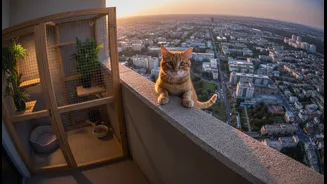
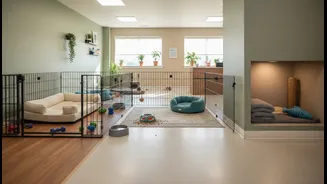
Even without a separate room, you must create an isolated space for the new cat. The best tool for this is a large wire dog crate. This 'acclimation crate' will be your new cat’s home base for the first week or two. Outfit it with a small litter box, food and water bowls, and a comfortable bed. Covering the crate with a blanket provides a sense of security and helps the cat feel safe and hidden while it adjusts. This setup allows the cats to be in the same room but prevents any physical interaction, which is critical for managing initial territorial instincts.
Harness the Power of Scent
Cats navigate their world through scent, so this is where the real introduction begins. Start by swapping bedding or soft cloths between your resident cat and the new cat in their crate. Rub a small towel on one cat’s cheeks and then place it in the other cat’s area. This allows them to investigate each other’s smell without the threat of a physical confrontation. You can also feed them on opposite sides of the crate, bringing their bowls a little closer each day. This helps build a positive association: the new smell equals a delicious meal.
Go Vertical and Double Up
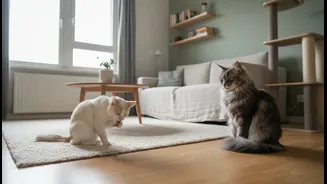
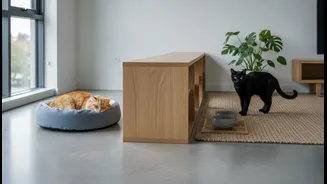
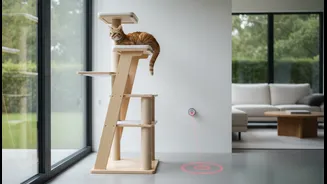
Territorial disputes are often about resources. In a small space, you need to signal abundance. This means having separate resources for each cat—one food bowl, water bowl, and litter box per cat, plus one extra of each if possible. Crucially, you must also 'think vertically'. Cats feel safer when they can survey their territory from up high. Investing in cat trees, shelves, or window perches creates more personal space and escape routes, which can de-escalate tension. This allows one cat to retreat upwards rather than feel cornered on the floor.
Controlled Visual Introductions
Once both cats are calm with scent swapping and eating near each other (through the crate), you can proceed to controlled visual contact. This doesn't mean opening the crate door just yet. Instead, you might lift the blanket covering the crate for a few minutes at a time, allowing them to see each other. Keep these sessions short and positive, rewarding both cats with high-value treats for calm behavior. If you see any hissing, growling, or flattened ears, calmly end the session by covering the crate and try again later for a shorter duration. The goal is for them to see each other without feeling threatened.
Supervised Time in Shared Space
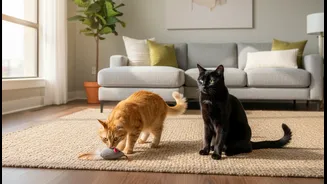
When visual contact through the crate is consistently calm, you can plan the first face-to-face meeting. Ensure the room is set up with escape routes and vertical spaces. The first few interactions should be very short and heavily supervised. Engaging both cats in parallel play with wand toys can be a great way to help them co-exist in the same space while focused on something other than each other. Distraction is a powerful tool. If you notice any tension, immediately and calmly redirect their attention or end the session. Never let them 'fight it out', as this can cause irreparable damage to their relationship.