







The Science of Sweat
Your body has a brilliant, built-in cooling system: sweating. During a workout, your core temperature rises. To cool down, your brain signals your sweat glands to release moisture onto your skin. The magic happens when this sweat evaporates into the air,
a process that draws a significant amount of heat away from your body, much like an evaporative cooler. In dry conditions, this system is incredibly efficient. Air acts like a dry sponge, readily absorbing the moisture from your skin and keeping you from overheating. This allows you to maintain performance for longer without accumulating excessive internal heat.
How Humidity Hijacks Your Cooling System
High humidity throws a wrench into this finely tuned process. When the air is already saturated with water vapor—as is common in crowded, poorly ventilated indoor gyms—it can't absorb much more. This dramatically reduces the rate at which your sweat can evaporate. Instead of vanishing and taking heat with it, sweat pools on your skin and drips off, offering very little cooling benefit. Your body is still working hard to produce sweat, leading to fluid loss, but the primary cooling mechanism is compromised. You feel hotter, stickier, and more exhausted, not because you're working harder, but because your body is failing to offload the heat you're generating.
Your Heart on Overdrive
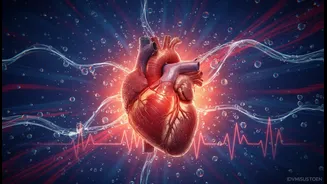
When evaporation fails, your body activates its backup plan: sending more blood to the skin's surface to try and radiate heat away. This forces your heart into double duty. It now has to pump blood to your working muscles to supply oxygen and nutrients, and simultaneously pump a large volume of blood to your skin for thermoregulation. This phenomenon, known as cardiovascular drift, results in a significantly higher heart rate for the same level of exercise intensity. Your stroke volume, the amount of blood pumped per beat, may decrease, forcing your heart to beat even faster to compensate. Research shows this added strain dramatically reduces exercise capacity. While the claim of "doubling" exhaustion is a strong one, studies confirm that time to exhaustion in humid conditions can be slashed by 25-30% or more, and your perceived effort can feel drastically higher.
The Indoor Gym Factor
While you might think an indoor gym shields you from the elements, it can create a perfect storm for humidity-induced strain. A room full of people breathing and sweating heavily in an enclosed space with inadequate air circulation quickly raises the ambient humidity. Unlike the outdoors where a breeze might help, a stuffy gym can become a hot, humid box. This makes it a challenging environment where the heat index—what the temperature feels like—can be far higher than the thermostat reading suggests, making it crucial to be aware of the conditions inside as well as outside.
Strategies for a Smarter Workout
You don't have to skip the gym on humid days. Instead, you can train smarter. Start by hydrating well before you even begin your workout and continue to sip water throughout. Opt for lightweight, loose-fitting, and moisture-wicking clothing that helps pull sweat away from the skin. Crucially, listen to your body and adjust your expectations. This is not the day to chase a personal best. Reduce the intensity or duration of your cardio session. Be mindful of the warning signs of heat exhaustion, which include dizziness, nausea, headache, or excessive fatigue. If you feel any of these symptoms, stop immediately, find a cooler space, and rehydrate. If possible, choose a well-ventilated gym or go during off-peak hours.