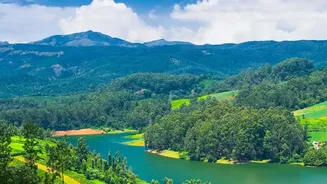



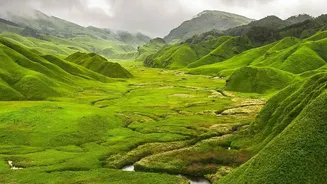

Dreaming of Sikkim’s majestic snow-capped peaks and stunning high-altitude lakes? A smart packing strategy is key to staying warm without overspending. This guide shows how packing in layers can save you from costly rentals at popular mountain spots.
The Mountain Allure and the Rental Reality
Sikkim's high-altitude destinations like Nathu La Pass, Gurudongmar Lake, and Zero Point near Yumthang Valley are breathtakingly beautiful, but also incredibly cold. Temperatures can plummet to freezing or below, even outside of peak winter. For tourists unprepared for this biting cold, local vendors offer a quick fix: rental winter wear. You'll find numerous stalls en route to these spots renting out heavy jackets, snow boots, and gloves. While convenient, this option comes with its own set of drawbacks, including cost, uncertain hygiene, and variable quality.
Decoding the Cost of Renting
The price for renting gear might seem nominal at first, but it quickly adds up. A heavy jacket or a pair of snow boots can each cost between ₹100 and ₹200 per item, per day. Some older reports mention rates as low as ₹50, but it is wise to budget for the higher end. For a family of four visiting two snow-heavy locations, the total rental bill can easily run into thousands of rupees. Beyond the cost, there's the question of fit and cleanliness. Rental gear is used by countless tourists, and you can't be sure of its condition or how well it will fit, which is crucial for staying warm.
The Art of Layering: A Smarter Strategy
A far more effective and economical approach is to pack your own clothes using the three-layer system. This method involves wearing multiple specific types of garments that work together to trap heat and manage moisture, keeping you far more comfortable than a single bulky jacket. The system is versatile, allowing you to add or remove layers as you move between altitudes and as the weather changes during the day. The three core components are the base layer, the mid-layer, and the outer shell.
Base Layer: Your Second Skin
The base layer's primary job is to wick moisture and sweat away from your skin to keep you dry. Staying dry is critical, as dampness can lead to a rapid loss of body heat, a dangerous situation at high altitudes. Opt for thermal innerwear made from synthetic materials like polyester or natural fibres like merino wool. Avoid cotton at all costs for this layer; it absorbs moisture and will make you feel colder. A couple of sets of thermal tops and bottoms should be sufficient for a week-long trip.
Mid-Layer: The Insulation Engine
This is your primary insulating layer, responsible for trapping your body heat. The most popular and effective choices for a mid-layer are fleece jackets, down-filled vests or jackets, or thick woollen sweaters. Fleece is a fantastic option as it provides excellent warmth, is breathable, and dries quickly. A down jacket is incredibly warm for its weight and highly compressible, making it easy to pack. You can even wear more than one mid-layer on extremely cold days for added insulation.
Outer Shell: Your Shield from the Elements
The final layer is the outer shell, which serves as your protection against wind, rain, and snow. A good outer layer should be both waterproof and windproof. This jacket doesn't necessarily need to be heavily insulated on its own; its main role is to shield your insulating mid-layers from getting wet or being compromised by wind. Look for a jacket with a hood for extra protection. A lightweight, packable windbreaker or rain jacket can be perfect for this purpose.
Don't Forget the Accessories
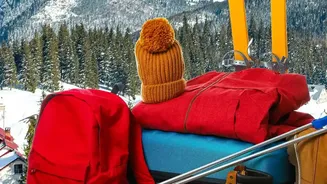
Your layering system isn't complete without protecting your extremities. A significant amount of body heat is lost through your head, hands, and feet. Pack a warm woollen cap or beanie, waterproof gloves, and several pairs of thick woollen socks. For footwear, instead of renting ill-fitting snow boots, consider bringing your own pair of comfortable, waterproof trekking or hiking shoes with a good grip. These will be far more versatile for your entire trip, not just for the snow points.