



The Silent Killer Below
Root rot is a disease that attacks a plant's root system, and it is one of the most common reasons potted plants fail. Above ground, the symptoms can be misleading; they often mimic underwatering, with yellowing leaves, wilting, and stunted growth. This
prompts many well-intentioned gardeners to water even more, tragically accelerating the problem. The disease is caused by fungi and bacteria that flourish in waterlogged soil. Once these pathogens take hold, they cause roots to decay, preventing them from absorbing the water and nutrients the plant needs to survive.
Why 'Potted Mud' is a Death Trap
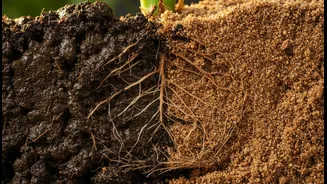
Standard potting soil, especially after repeated waterings, can become compacted and dense. When soil particles are packed too tightly, the mix holds excessive water, leaving no room for air. This creates an anaerobic (oxygen-deprived) environment. Plant roots, like the rest of the plant, need oxygen to function. In soggy, airless soil, roots essentially suffocate. These weakened, oxygen-starved roots are then highly vulnerable to attack from opportunistic pathogens. What was once a life-giving soil medium becomes a dense, muddy trap.
Meet the Microscopic Villains
The primary culprits behind root rot are water molds and fungi with names like Pythium, Phytophthora, and Fusarium. These microbes are common inhabitants of soil but typically remain in check. However, when their ideal conditions—excess moisture and a lack of oxygen—are met, their populations explode. They attack the plant's weakened roots, turning them from firm and white to brown, soft, and mushy. These pathogens can spread from contaminated tools or soil and thrive in the very conditions created by overwatering and poor drainage.
The Heroics of Coarse Sand
This is where coarse sand becomes a hero for your houseplants. The key benefit is its particle size. Unlike fine play sand, which can clog soil pores and make compaction worse, coarse sand has larger, angular particles. When mixed into a potting medium, these particles create larger air pockets, or macropores, between the soil components. These air pockets are critical because they don't collapse when the soil is wet, ensuring that oxygen can still reach the roots. This improved aeration and drainage prevents the soil from becoming waterlogged, disrupting the lifecycle of root rot pathogens.
A Practical Guide to Amending Soil
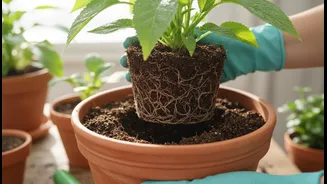
To improve your potting mix, you need the right kind of sand. Look for horticultural sand, sharp sand, or coarse builder's sand. Always avoid fine-textured sands like play sand or beach sand, as these will have the opposite of the intended effect and can create a concrete-like mixture. A good starting ratio is one part coarse sand to two or three parts potting mix. For succulents and cacti that require even sharper drainage, a 50/50 mix is often recommended. Thoroughly combine the sand with your potting mix before potting your plant to ensure even distribution.
Beyond Sand: A Holistic Approach
While coarse sand is an excellent amendment, preventing root rot involves a complete system of care. Always use pots with adequate drainage holes. Allow the top inch or two of soil to dry out between waterings rather than adhering to a strict schedule. When you do water, do so thoroughly until water runs from the bottom, then discard the excess. Finally, consider the pot's material; porous terracotta pots breathe and allow soil to dry faster than plastic ones. Combining good soil structure with smart watering habits is the ultimate defense against root rot.