
Why The Monsoon is a Gardener's Friend
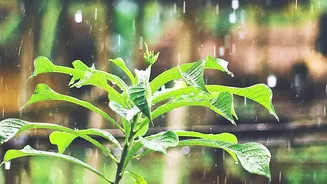
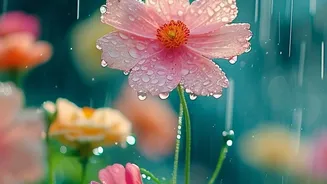
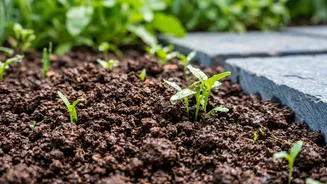
Gardening during the monsoon might seem counterintuitive with the threat of heavy downpours, but it’s actually one of the most rewarding seasons to begin. The consistent moisture keeps the soil soft and receptive, helping seeds to germinate faster. Higher
humidity levels reduce the stress on new plants and cuttings, allowing them to establish roots more easily. Furthermore, the break from scorching summer heat provides a gentler environment for young plants to develop. This season essentially does much of the initial watering work for you, making it an ideal launchpad for your gardening journey.
Choosing Your Monsoon Champions
Success starts with selecting plants that thrive in high humidity and wet conditions. For beginners, it's best to choose resilient varieties that are well-suited to the Indian rainy season. Some excellent choices include flowering plants like hibiscus, marigold, balsam, and periwinkle, which add a splash of colour to the grey days. If you're interested in growing your own food, vegetables like okra (bhindi), chillies, spinach, and various gourds (lauki, karela) are fantastic options that grow vigorously during this time. For a low-maintenance herb garden, consider planting mint, tulsi (holy basil), and lemongrass, all of which love the monsoon climate.
The Art of Watering in the Rain
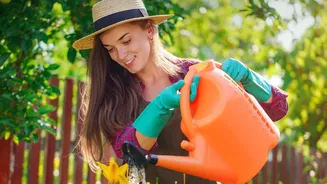
The biggest mistake beginners make during the monsoon is overwatering. Just because it's the rainy season doesn't mean your plants need constant moisture. The key is to check the soil before you even think about picking up a watering can. Poke your finger about an inch into the topsoil; if it feels dry, it's time to water. If it’s damp, leave it alone. Roots need oxygen as much as they need water, and waterlogged soil can lead to root rot. When you do water, aim for the base of the plant, directing water to the soil rather than the leaves. Wet foliage can encourage fungal diseases, which are more common in humid weather. It’s also best to water in the morning to allow any excess moisture to evaporate during the day.
Ensuring Proper Drainage
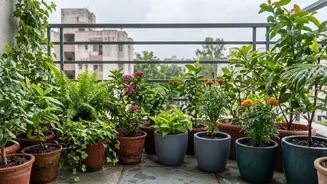
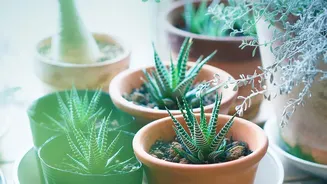
Good drainage is non-negotiable for a healthy monsoon garden, especially for potted plants. Ensure every container has drainage holes at the bottom to allow excess water to escape. If your pots are sitting in saucers, be sure to empty them after heavy rain to prevent the plant from sitting in stagnant water. A great tip is to elevate your pots slightly using pot feet or by placing them on stands. This improves airflow and helps the soil dry out more evenly. For the soil itself, use a well-draining potting mix. A good combination is equal parts garden soil, compost, and a material like coco peat or sand to keep the mixture light and prevent compaction.
Guarding Against Pests and Diseases
The damp and humid conditions of the monsoon are a breeding ground for pests like slugs, snails, and aphids, as well as fungal diseases like powdery mildew and leaf spot. Prevention is your best strategy. Ensure good air circulation around your plants by not overcrowding them. Regularly inspect the leaves, especially the undersides, for any signs of trouble. If you spot pests, a simple spray of neem oil mixed with water and a drop of liquid soap can be an effective organic solution. Removing any affected leaves immediately can prevent diseases from spreading to the rest of the plant.