


The Foundation of a Mediterranean Salad
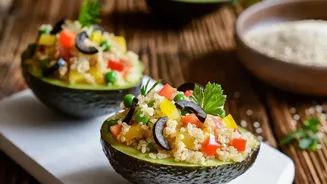
A true Mediterranean salad is a vibrant mix of fresh, whole ingredients. It’s less about a specific recipe and more about a philosophy of eating that emphasizes vegetables, healthy fats, and lean proteins. The base usually starts with fresh greens like
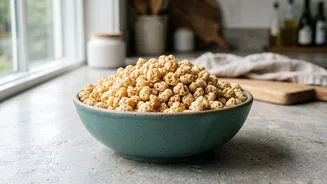
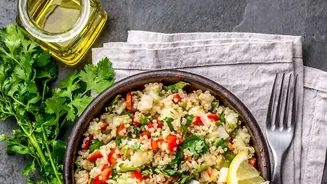
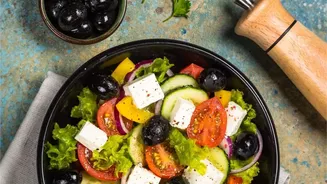
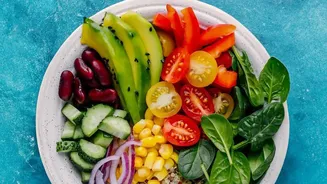
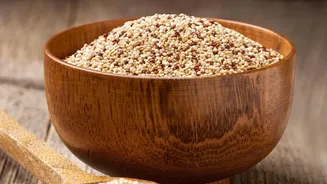
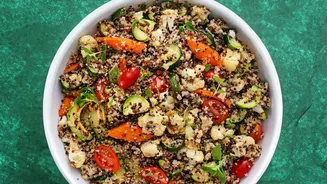
romaine or arugula, but can also include a grain like quinoa or farro. From there, it’s all about layering colourful, nutrient-dense components. Key players include crisp cucumbers, juicy tomatoes, and sharp red onion, which provide a foundation of flavour and texture. Legumes, especially chickpeas, are another common addition, offering plant-based protein and fibre to make the salad more substantial and satisfying.
Why 'Portion-Friendly' Matters
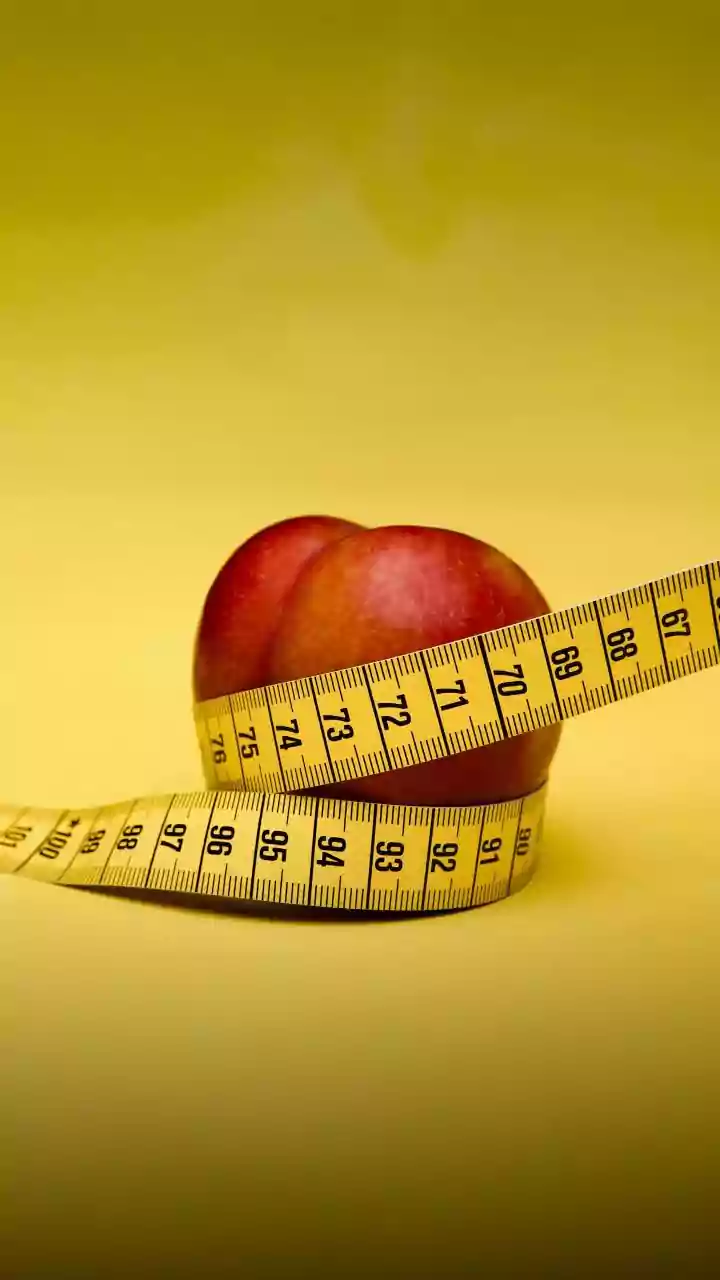
While packed with healthy ingredients, Mediterranean salads can quickly become calorie-dense if you're not mindful. The culprits are often the most flavourful parts: olive oil, cheese, and nuts. Extra virgin olive oil is a cornerstone of the diet, but it's pure fat. Feta cheese adds a wonderful salty, creamy element, and nuts provide a satisfying crunch, but both are high in calories and fat. A 'portion-friendly' approach doesn’t mean eliminating these ingredients. Instead, it’s about using them strategically to maximize flavour without overwhelming the dish—or your daily calorie goals. This mindful construction is what keeps your healthy lunch truly healthy.
Building Your Bowl: A Guideline
Think of your bowl as a template. A good starting point is to fill half of it with non-starchy vegetables and greens. This creates volume and provides fibre and nutrients with minimal calories. For greens, aim for about two cups of chopped lettuce. Then, add a quarter of the plate with a lean protein source. This could be about half a cup of chickpeas or 85 grams of grilled chicken or fish. The final quarter can be a whole grain or starchy vegetable, like a half-cup of cooked quinoa. This balanced structure ensures your salad is filling and nutritionally complete, providing sustained energy.
Mastering the Toppings
This is where precise portioning is key. For healthy fats, be deliberate. A serving of Kalamata olives is about 1 tablespoon. For cheese, a quarter-cup (about 30 grams) of crumbled feta is plenty to distribute flavour throughout the salad. If you’re adding nuts or seeds, a quarter-cup is a standard serving. These flavour-packed additions are essential to the Mediterranean experience, but they should be treated as accents rather than main components. By measuring these calorie-dense items, you ensure the salad remains balanced.
The Perfect Simple Vinaigrette
Store-bought dressings can be loaded with sugar and preservatives. A homemade Mediterranean vinaigrette is simple, healthier, and more flavourful. The classic ratio is three parts extra virgin olive oil to one part acid. For a single-serving dressing, a good starting point is 1 tablespoon of olive oil and 1 teaspoon of red wine vinegar or fresh lemon juice. Whisk them together with a pinch of dried oregano, a little minced garlic, and salt and pepper. This simple blend complements the fresh ingredients without overpowering them and keeps you in control of what goes into your bowl.