







Why IMD Alerts Matter for Travel
Gone are the days when a travel checklist only included tickets and hotel bookings. With increasingly unpredictable weather, from monsoon downpours to sudden heatwaves, staying informed is crucial. The IMD's four-colour system is designed to simplify
complex weather data, giving the public clear, actionable advice. For travellers, this system is a powerful tool. It can mean the difference between a dream vacation and a trip disrupted by floods, landslides, or transport cancellations. Before you book a flight to Goa or a mountain retreat in Himachal, decoding these colours can help you anticipate potential risks and plan accordingly.
Green Alert: All Clear
The most welcome of all alerts, Green, means 'All is well'. When the IMD issues a green alert, it indicates that no adverse weather conditions are expected. You can proceed with your travel and outdoor activities as planned without any cause for weather-related concern. It's a signal that conditions are stable and safe, representing a normal day with no warnings in effect.
Yellow Alert: Be Aware
A Yellow alert is a call to 'Be Aware'. It signifies that weather conditions might be changing and could potentially cause disruptions in the coming days. This alert doesn't mean you must cancel your plans, but it does mean you should stay updated and vigilant. It could indicate the possibility of moderate rainfall, thunderstorms, or gusty winds that might affect daily activities. If you're travelling to a destination under a yellow alert, expect possible minor delays, check local traffic, carry rain gear, and keep monitoring IMD updates.
Orange Alert: Be Prepared
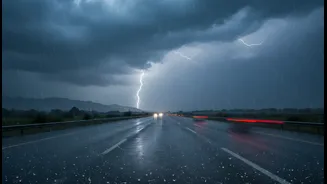
When you see an Orange alert, it's time to 'Be Prepared'. This is a more serious warning indicating that extremely bad weather is likely. Conditions such as very heavy rainfall, strong winds, or hailstorms are expected, which have the potential to disrupt travel, power supply, and communication networks. An orange alert for your destination might mean a high risk of road closures, especially in hilly areas, or significant waterlogging in cities. Travellers should seriously consider if their journey is essential and be prepared for significant delays or even the need to shelter in place.
Red Alert: Take Action
A Red alert is the highest level of warning and means 'Take Action'. It is issued when extremely severe weather is imminent or already occurring, posing a significant threat to life and property. This could involve exceptionally heavy rainfall (over 204.5 mm in 24 hours), severe cyclones, or other hazardous events. Travel during a red alert is strongly discouraged. Authorities may issue evacuation orders, close roads and railways, and shut down non-essential services. If a red alert is issued for your destination, the safest course of action is to cancel or postpone your trip and follow all instructions from local authorities.
Putting It All into Practice
Integrating these alerts into your travel planning is simple. Start by checking the IMD's forecasts on their official website or through their 'Mausam' app before you even book. As your travel date approaches, monitor the 5-day forecasts. In the 24 to 48 hours before departure, pay close attention to any specific warnings for your route and destination. When booking hotels and transport, look for flexible cancellation policies, especially if travelling during a high-risk season like the monsoon. This provides a crucial safety net, allowing you to change your plans if the weather takes a dangerous turn.