






The End of the All-or-Nothing Mindset
For years, festive eating has been defined by a feast-or-famine cycle: weeks of unrestrained indulgence followed by Januarys filled with guilt and restrictive diets. However, a cultural shift is underway. People are increasingly seeking a middle ground,
moving away from the 'all or nothing' approach to food. Nutritionists and wellness experts note that this change isn't about deprivation but about redefining indulgence. The new festive mantra is about balance, allowing for the enjoyment of traditional treats while remaining mindful of overall health. This approach aims to prevent the stress and guilt often associated with holiday eating, fostering a healthier long-term relationship with food. The focus is now on conscious choices that support both celebration and well-being.
The Smart Strategy of Portion Control
One of the key pillars of this new balanced approach is portion control, but not in a punishing way. Instead of banning favourites like gulab jamun or samosas, the idea is to savour them in smaller quantities. Using smaller plates is a simple but effective psychological trick that can help manage how much you eat without feeling deprived. Another strategy is the 'one plate rule,' where you mindfully select your favourite items and stick to that single serving. This allows you to taste a variety of dishes without overeating. Experts suggest that eating slowly and savouring each bite not only enhances enjoyment but also gives your brain time to recognise when you are full, preventing that all-too-familiar feeling of being uncomfortably stuffed.
Building a More Varied Festive Plate
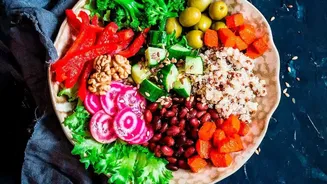
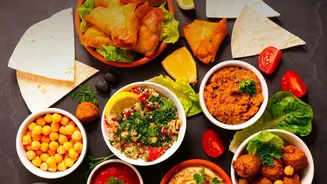
Variety is another crucial element in modern festive feasting. A balanced meal is not just about limiting the rich foods, but also about actively including a wider array of options. Nutritionists suggest following a simple 'plate method' even during celebrations. Aim to fill half your plate with vegetables or a colourful salad, a quarter with a source of protein like dal or paneer, and the final quarter with carbohydrates such as roti or rice. Adding more fibre-rich foods helps you feel full and satisfied, naturally reducing the temptation to overindulge in high-calorie snacks. This doesn't mean your festive spread has to look like a health retreat; it's about expanding the menu to include lighter, nutrient-dense dishes alongside the traditional heavyweights.
Mindful Indulgence: Enjoyment Without Guilt
Ultimately, the shift towards a balanced festive plate is rooted in mindfulness. This means paying attention to your body’s hunger and fullness cues and making conscious choices about what you eat. It’s about giving yourself permission to enjoy that piece of barfi, but doing so with full awareness and appreciation, rather than mindlessly snacking while distracted. Experts agree that forbidding certain foods often backfires, leading to cravings and potential binges. Instead, by mindfully enjoying a small portion of a favourite treat, you can satisfy the craving without derailing your health goals. The focus should be on the social connection and joy of the occasion, with food as a pleasurable part of the experience, not the sole focus.