



The Ghost of Coffee Past: Remembering Dalgona
Let’s cast our minds back to 2020. Stuck at home, we collectively found solace in whipping instant coffee, sugar, and hot water into a thick, caramel-coloured foam. [19] Dalgona coffee was a phenomenon, born out of Korean café culture and rapidly adopted
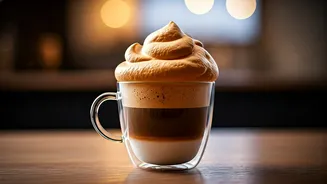
worldwide via TikTok. [22] It was less about the coffee and more about the activity—a shared, photogenic ritual during a strange time. It was a novelty, but its reliance on instant coffee and a hefty amount of sugar meant it was more of a fun experiment than a daily driver for serious coffee lovers. [3, 19] The foam *was* the coffee, dolloped over milk, creating a top-heavy drink that was often tricky to mix and drink gracefully.
Enter The New Cloud
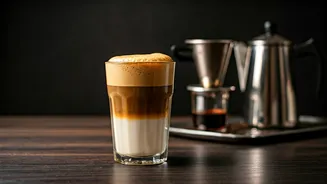
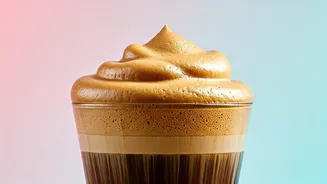
Cloud Coffee 2.0 is the elegant evolution. Unlike its predecessor, where the foam was the main event, here the "cloud" is a delicate, airy topping for a proper coffee base. [3] The most popular version features a base of iced coconut water, topped with a frothy layer of espresso that has been whipped with cream, milk, or a plant-based alternative. [14, 15] Visually, it's a stunner: the dark, caffeinated cloud floats magically above the clear or milky liquid below. [7] Think of it as a refined, modern take on the Viennese Einspänner—a classic European coffee with a whipped cream top that has also seen a recent surge in popularity, particularly in South Korea. [6, 13]
Not Your Lockdown Coffee
The key difference between Dalgona and Cloud Coffee lies in the composition and quality. Dalgona started with instant coffee granules. [19] Cloud Coffee, in contrast, typically uses a base of real espresso or strong brewed coffee for its foam, resulting in a richer, more complex flavour. [3] This shift reflects a broader trend in India, where consumers are increasingly moving towards specialty, high-quality beans and brewing methods. [18, 26] Furthermore, the cloud itself is often less sweet, and the drink offers more room for customisation—from using oat milk in the foam to adding flavouring syrups or even swapping the espresso for matcha. [3, 14]
The Art of the 'Drinkable Aesthetic'
Let's be honest: a huge part of Cloud Coffee's appeal is how it looks. In an age where food has to be 'Instagrammable', this drink is a superstar. [4] The distinct layers, the pillowy foam, and the way it can be served in a clear glass to showcase its structure make it a prime candidate for social media stardom. [11] This isn't just a trend; it's a reflection of how we eat (and drink) now. Visual appeal is as important as taste. [5] The rise of aesthetic-driven food, from vibrant smoothie bowls to elaborate butter boards, shows our desire for beautiful, shareable experiences. [5, 8] These items offer a small moment of visual pleasure and creative expression in our daily lives.
Why We're Obsessed
The obsession with trends like Cloud Coffee is about more than just a pretty picture. In India, Gen Z and millennials are driving a coffee revolution, seeking out new flavours, healthier options, and unique experiences. [21, 26] Cloud Coffee fits perfectly into this new landscape. The use of coconut water can be seen as a nod to wellness, adding electrolytes to your caffeine hit. [23] The ability to customise it with plant-based milks and natural sweeteners also appeals to a more health-conscious generation. [18] Ultimately, it transforms the act of drinking coffee from a simple habit into a lifestyle statement—a small, accessible luxury that is creative, personal, and, of course, beautiful to look at. [21]