



The Hidden Dangers in Puddles
That innocent-looking puddle your dog loves to splash through or drink from can be a serious health hazard. Stagnant water is a breeding ground for harmful bacteria, parasites, and chemical runoff. One of the most significant risks during India's monsoon
season is Leptospirosis, a bacterial disease often transmitted through the urine of infected animals like rodents. The bacteria thrive in warm, moist environments and can enter a dog's body through the mouth, nose, or even small cuts on their paws. Symptoms can be subtle at first, including fever, vomiting, and lethargy, but the disease can escalate to cause severe kidney and liver damage. Parasites like Giardia are also commonly found in puddles, leading to gastrointestinal distress. The safest approach is to actively discourage your dog from drinking or playing in standing water and to bring fresh water from home for them.
Protecting Paws, Skin, and Coat
Constant exposure to moisture can wreak havoc on your dog's skin and paws. The high humidity during the monsoon prevents fur from drying properly, creating a perfect environment for bacterial and fungal infections. Conditions like pyoderma (a bacterial skin infection) and yeast infections become more common, leading to itching, rashes, hair loss, and a foul odour. Skin folds and areas under the collar are particularly vulnerable. Paws are also at risk, as walking through muddy, wet streets can soften the pads and make them susceptible to cuts and infections. A crucial part of your routine should be to thoroughly clean and dry your dog's paws and coat immediately after every walk. Pay special attention to the areas between the toes and within skin folds.
Choosing the Right Rain Gear
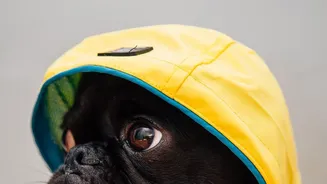
A good raincoat does more than just keep your dog dry; it provides a vital layer of protection. When selecting gear, look for lightweight, waterproof materials like polyester or nylon that don't restrict movement. Breathability is also key to prevent moisture and heat from getting trapped against the skin. Beyond the material, consider visibility. Rainy, overcast days reduce visibility for drivers and cyclists. A brightly coloured or reflective raincoat can make your dog much easier to see, significantly reducing the risk of accidents. Some raincoats offer extended coverage for the underbelly, which is especially useful for shorter dogs, and hoods can help prevent water from getting into the ears, which may help reduce the chance of ear infections.
The Post-Walk Drying Ritual
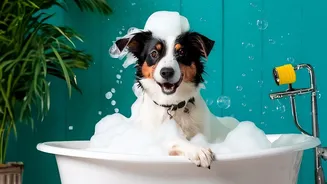
A quick pass with a towel is often not enough, especially for dogs with thick or double coats. Damp fur is a leading trigger for skin issues during the monsoon. To dry your dog properly, start with a highly absorbent towel to remove the bulk of the water. Follow up with a low-heat hairdryer if your dog tolerates it, making sure to keep the dryer moving to avoid concentrating heat on one spot. Alternatively, having a designated grooming area can help contain the mess while your dog air-dries. Ensuring your dog is completely dry helps prevent the growth of fungus and bacteria and keeps them comfortable. This step is one of the most effective ways to prevent common monsoon-related skin problems.
When to Stay Indoors
On days with torrential downpours or thunderstorms, a long walk might not be the best or safest option. It's important to have a backup plan for exercise and mental stimulation. Fifteen minutes of focused mental activity can be as tiring as a 30-minute walk. Indoor activities like hide-and-seek with treats, puzzle feeders, or snuffle mats can engage your dog's mind and burn off energy. You can also create a simple indoor agility course using household items like chairs and blankets or spend time reinforcing training commands. These activities not only keep your dog entertained but also strengthen your bond, ensuring that a rainy day doesn't have to be a boring one.