



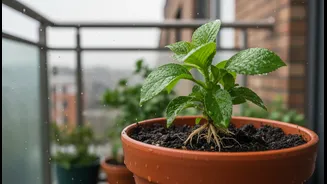


The Force of Wind and Rain
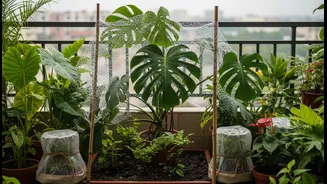
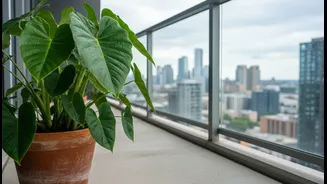
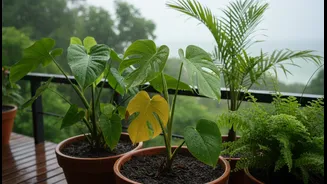
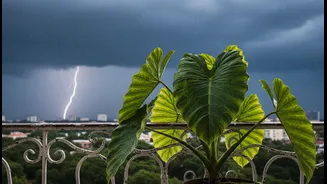
The most visible threat during a monsoon storm is the combination of strong winds and heavy rainfall. For sensitive tropical plants, especially those with large, decorative leaves like Monstera or Calathea, these conditions can be devastating. Strong
gusts can shred delicate foliage, snap tender stems, and even topple entire pots, causing irreparable physical damage. Unlike sturdy, wind-adapted plants, many tropicals have not evolved to withstand such mechanical stress. The sheer force of a downpour can also batter smaller plants, damaging leaves and flowers. Bringing them inside provides a simple, effective shield against this direct physical assault, preserving their structural integrity and aesthetic beauty.
The Silent Killer: Root Rot
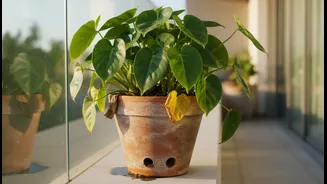
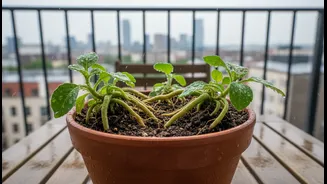
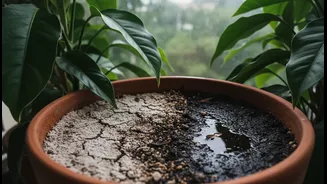
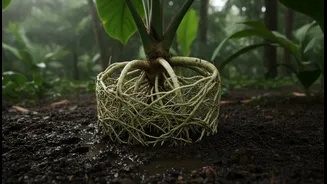
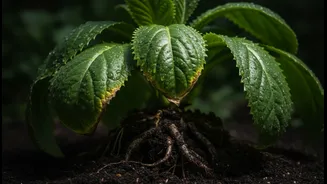
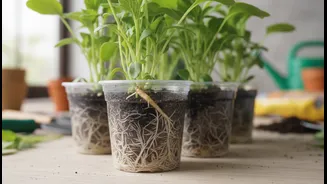
While rain is essential, the intensity of a monsoon downpour is often too much for potted plants. The primary danger is waterlogged soil. When a pot is saturated with water and drainage is slow, the roots are deprived of oxygen and essentially begin to drown. This anaerobic environment is the perfect breeding ground for fungal pathogens that cause root rot, a condition where roots turn brown, mushy, and die. Symptoms above ground, like yellowing leaves or a wilting plant despite wet soil, often appear only after significant damage has occurred underground. Moving plants indoors allows you to control their water intake, preventing the prolonged soil saturation that is the leading cause of plant death during the monsoon.
Shock from Temperature Drops
Tropical plants thrive in warm, stable conditions. A sudden monsoon storm can bring a sharp drop in temperature. While a slight cool-down is often welcome, a rapid change can shock sensitive plants. This temperature stress, combined with the physical duress of wind and excessive water, can weaken a plant's defenses. When a plant is already struggling with waterlogged roots, a cold shock can further inhibit its ability to function and recover, making it more susceptible to other issues. By moving them into a more stable indoor environment, you protect them from these jarring fluctuations that can stunt growth and compromise their overall health.
An Open Invitation for Pests and Disease
The high humidity and damp conditions of the monsoon season create an ideal environment for pests and fungal diseases to flourish. Wind-damaged leaves and water-stressed plants are particularly vulnerable. Fungi like powdery mildew can spread quickly on damp foliage, while pests such as slugs, snails, and fungus gnats are more active in the wet environment. Bringing plants indoors during a storm helps keep their leaves dry and reduces their exposure to these opportunistic threats. Good air circulation, which is often poor during a constant downpour, is crucial to preventing fungal growth. Keeping them in a well-ventilated indoor space is a key preventative measure to ensure they remain pest- and disease-free.
Creating a Temporary Safe Haven
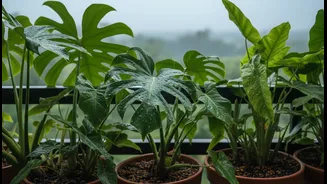
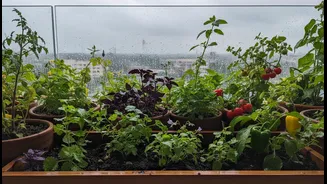
Moving your plants doesn't require a grand setup. A spot near a window that provides indirect light, away from direct drafts, is perfect. If you have many plants, grouping them together can help create a more humid microclimate, which they enjoy. The goal is simply to protect them from the storm's worst effects. Once the storm has passed and the heavy rain subsides, you can assess when to move them back. Before returning them to the balcony, check the pots to ensure the soil isn't waterlogged and inspect the leaves for any pests that might have hitched a ride. This small act of shuffling them indoors is a proactive step that ensures your green companions not only survive but continue to thrive throughout the rainy season.