





As winter arrives, the cold, dry air can leave hair feeling brittle, dull, and lifeless. This seasonal shift strips moisture from your scalp and strands, leading to frizz, breakage, and a loss of that healthy shine. But don't despair.
Rethink Your Wash Routine
One of the simplest
yet most effective changes is to adjust how you wash your hair. Steaming hot showers, while tempting in the cold, strip your hair and scalp of their natural, protective oils. Opt for lukewarm water instead. Consider reducing your wash frequency to two or three times a week to allow your natural oils to keep your hair moisturised. When you do wash, choose a gentle, sulphate-free, and hydrating shampoo to cleanse without causing further dryness. Always follow up with a nourishing conditioner, focusing on the lengths and ends to seal in moisture.
Embrace the Power of Oiling
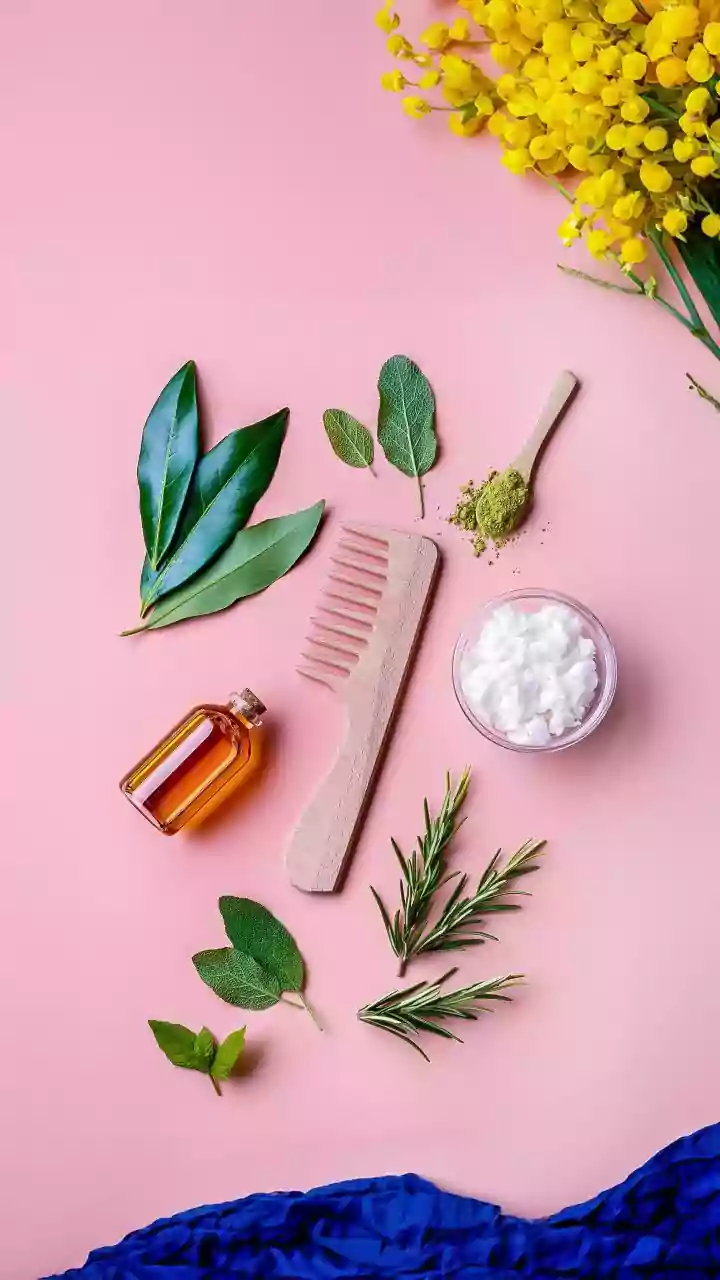
A warm oil massage, or ‘champi’, is a traditional Indian practice that is especially beneficial during winter. Oils like coconut, almond, argan, and sesame create a protective barrier, locking in moisture and nourishing the scalp. Massaging warm oil into your scalp 2-3 times a week boosts blood circulation, which strengthens roots and promotes healthier growth. For an added boost, use oils infused with Ayurvedic herbs like Amla and Bhringraj, known for their deep conditioning properties. Leave the oil on for at least 30 minutes before washing for deeply hydrated, shinier hair.
Deep Condition with Weekly Masks
Winter is the perfect time to incorporate a weekly deep conditioning treatment or hair mask into your routine. These masks provide an intensive dose of hydration that regular conditioners can't match. You can find excellent moisturising masks with ingredients like shea butter, keratin, or hyaluronic acid. Alternatively, DIY masks using common kitchen ingredients are highly effective. A mixture of yogurt and honey can soften hair and reduce frizz, while a blend of mashed banana and coconut oil adds incredible shine and combats dryness. Applying a mask for 20-30 minutes once a week can dramatically restore moisture and vitality.
Protect Your Hair from the Elements
The combination of frigid outdoor air and dry indoor heating is a major cause of winter hair damage. When you step outside, protect your hair by covering it with a silk or satin scarf, or a satin-lined hat. Unlike wool or cotton, these smoother fabrics reduce friction and static, preventing breakage and moisture loss. It's also crucial to ensure your hair is completely dry before leaving the house, as wet hair is more susceptible to breaking in cold temperatures. Indoors, using a humidifier can add moisture back into the air, benefiting both your hair and skin.
Style Smartly and Minimise Heat
The intense dryness of winter air makes your hair more vulnerable to damage from heat styling tools like blow dryers, straighteners, and curling irons. Try to air-dry your hair whenever possible, and embrace protective hairstyles like braids, buns, or twists. These styles not only minimise exposure to the harsh elements but also help lock in moisture. When you must use heat, always apply a heat protectant spray to shield your strands. Regular trims every 6–8 weeks are also essential to get rid of split ends and prevent them from travelling up the hair shaft.
Nourish from Within Through Diet
Healthy hair starts from the inside. Staying hydrated by drinking plenty of water is just as important in winter as it is in summer. Your diet also plays a crucial role. Incorporate foods rich in proteins, omega–3 fatty acids, and essential vitamins. Good fats from sources like almonds, walnuts, flaxseeds, and fatty fish help keep your scalp nourished. Iron–rich foods such as spinach, dates, and lentils are vital for preventing hair fall, a common issue in India. Seasonal winter foods like amla (rich in Vitamin C), sesame seeds (til), and various greens can further strengthen roots and improve hair texture.