








The Search for Calmer Energy
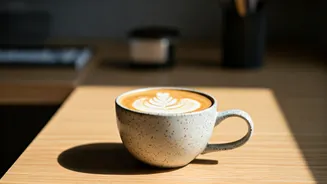
The morning coffee run has long been a sacred rite for the American workforce, a symbol of powering up for a demanding day. But for a growing number of young professionals, the high-octane 'grindset' fueled by multiple espressos is losing its appeal.
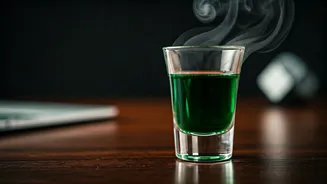
The goal is no longer just to be awake, but to be balanced. This has opened the door for alternatives that promise focus without the frantic edge. Enter ashwagandha, an ancient herb now conveniently packaged in slick, two-ounce wellness shots found in the refrigerated aisles of health food stores and even mainstream grocers. The trend isn't necessarily about hating coffee; it's about re-evaluating our relationship with stress and energy. Instead of jolting the system into action, the new wellness ideal is to build resilience from within.
What Exactly Is Ashwagandha?
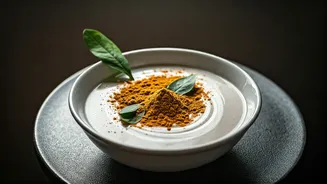
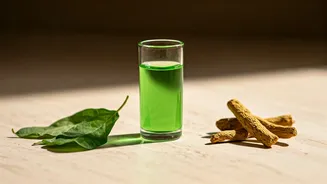
If you haven't heard of it yet, you will soon. Ashwagandha, or *Withania somnifera*, is a small evergreen shrub native to India and Southeast Asia. Its roots and berries have been used for thousands of years in Ayurveda, the traditional Indian system of medicine. Its modern claim to fame comes from its classification as an 'adaptogen.' Think of an adaptogen as a biological thermostat. Proponents believe these herbs help the body 'adapt' to and manage various stressors, whether physical, chemical, or biological. The idea is that instead of providing a temporary, artificial lift like a stimulant, adaptogens work more subtly to help regulate your body’s natural stress-response systems, primarily by influencing the adrenal glands and cortisol levels.
The Science vs. The Social Media Hype
On platforms like TikTok and Instagram, ashwagandha is often touted as a miracle cure for everything from anxiety and insomnia to low energy and 'brain fog.' As with many wellness trends, the science is more measured. There is a growing body of research, but many studies are small. The most promising evidence points to ashwagandha's ability to help reduce stress and anxiety. Several clinical trials have shown that participants taking ashwagandha supplements had significantly reduced levels of cortisol—the body's primary stress hormone—compared to a placebo group. Some research also suggests it can improve sleep quality. However, claims about it boosting athletic performance or dramatically enhancing cognitive function are less conclusive and require more robust studies. It's also not for everyone; people who are pregnant, breastfeeding, or have certain autoimmune conditions are typically advised to avoid it. Mild side effects can include digestive upset or drowsiness.
From Ancient Root to Pricey Shot
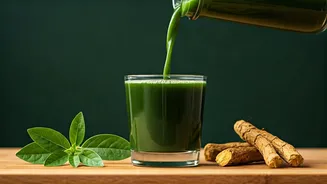
So how did a traditional Ayurvedic root become a trendy, pre-packaged morning shot? The answer lies in convenience and brilliant marketing. Today's young professionals value efficiency and health, and the wellness industry has taken note. Grinding up a root or brewing a traditional tea is time-consuming. A pre-made, cold-pressed shot, often mixed with other appealing ingredients like ginger, turmeric, or fruit juice, is an easy grab-and-go solution. It transforms an ancient practice into a modern consumer product that fits seamlessly into a busy lifestyle. These shots are part of the booming 'functional beverage' market, which sells drinks designed to do more than just hydrate—they're meant to provide a specific health benefit, from boosting immunity to improving gut health or, in this case, managing stress.
Is It Really a Coffee Replacement?
Calling ashwagandha a direct swap for coffee is a bit of a misnomer. They serve fundamentally different purposes. Coffee is a central nervous system stimulant, providing a near-instant feeling of alertness and energy by blocking adenosine, a neurotransmitter that makes you feel tired. Ashwagandha doesn't work that way. It’s a modulator, not a stimulant. Users often report feeling a sense of calm focus or a more stable mood over time, rather than an immediate 'kick.' For many, it's not an either/or proposition. Some people take an ashwagandha shot in the morning to temper the anxiety that coffee can induce, while others use it to wind down in the evening. The trend is less a war on coffee and more of an expansion of the morning-ritual toolkit, giving people an option to start their day based on a different priority: balance, not buzz.