



What is a Culinary Journey?
Forget the predictable three-course meal. Today’s food adventures are immersive, multi-sensory experiences that prioritize stories and authenticity. This could mean a pop-up dinner where a chef exclusively showcases the cuisine of Nagaland for a limited
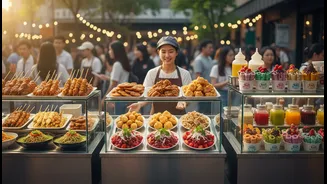
time, or a chef-led tour through an old city’s forgotten food stalls. It might be a tasting menu where every dish tells the story of a specific ingredient's origin, from Ratnagiri seaweed to Srinagar quince. These journeys are about context and connection, transforming a simple meal into a memorable event. They are exclusive, time-bound, and often highly shareable on social media, tapping into a desire for unique moments.
The Hunger for Authenticity
So, why the shift? The trend is driven by a growing appetite for authenticity and a deeper connection to food. Urban consumers, exposed to global trends and armed with rising disposable incomes, are seeking more than just good food; they want an experience that feels genuine and personal. This includes a fascination with regional cuisines, locally sourced ingredients, and the revival of forgotten recipes. There's a growing appreciation for the stories behind the dishes, whether it's a home cook sharing generations-old family recipes or a chef explaining their farm-to-table philosophy. In a world of mass production, these journeys offer a taste of something real and rooted.
The New Food Artisans
This movement is not just being led by five-star hotels. A new wave of food entrepreneurs—home cooks, food historians, and passionate chefs—are at the helm. Pop-up events have become a popular format, allowing chefs to experiment with new concepts and reach new audiences without the massive investment of a permanent restaurant. These events range from literary-themed dinners in Mumbai to Awadhi food festivals in Delhi. They provide a platform for culinary talent from diverse backgrounds, including street food vendors and home chefs who are brought on board to ensure flavours remain true to their origins. This democratisation of dining offers a stage for hyper-regional specialities that rarely feature on mainstream menus.
From Metros to Mountain Retreats
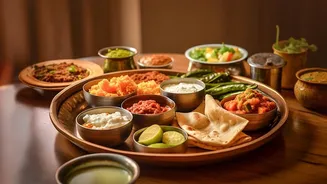
While this trend is booming in metros like Mumbai, Delhi, and Bangalore, it's not confined to them. The search for unique food experiences extends to culinary trails across states and even to remote destinations. Adventurous food lovers can embark on guided tours exploring the spice markets of Old Delhi, learning to cook royal Rajasthani dishes in a Jaipur haveli, or sampling fresh seafood on a Keralan houseboat. High-end restaurants are also getting creative, with some chefs establishing culinary labs in places like Himachal Pradesh to focus on local ingredients and traditions. These journeys highlight the vast diversity of India's culinary landscape, from street food to fine dining.
More Than Just a Meal
Ultimately, the rise of curated culinary journeys signifies a shift in how urban Indians view food. It’s no longer just about consumption; it’s about culture, community, and connection. These are premium experiences, and consumers are willing to pay for the exclusivity, knowledge, and narrative that come with them. Diners get to engage directly with chefs, learn the history of their meal, and often participate in the process, from market visits to cooking classes. It’s an interactive and educational approach to dining that leaves a lasting impression long after the last bite.