







Embrace a Layered Lighting Scheme
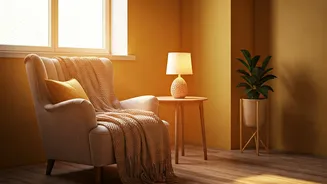
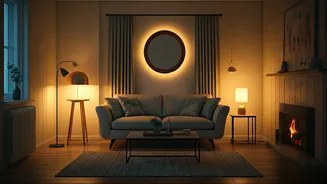
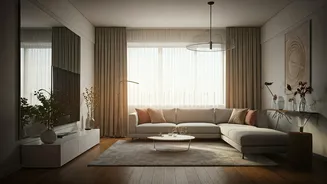
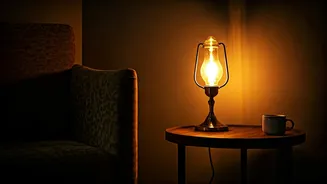
Relying on a single overhead light can create harsh shadows and accentuate gloom. The solution is to layer your lighting. Aim for three to five different light sources distributed around the room. Combine your main ceiling light with floor lamps in dark
corners, table lamps on side tables, and perhaps even wall sconces. This mix of ambient, task, and accent lighting banishes shadows and creates a warm, even glow that makes the entire space feel more inviting and dynamic. You can also install uplighters, which cast light toward the ceiling, making the room feel taller and brighter.
Choose Your Colours Wisely
Paint is one of the most effective tools for brightening a room. While pure white might seem like the obvious choice, it can look flat or dingy in a room without much natural light. Instead, opt for light neutrals with warm undertones, such as off-whites, soft creams, pale greys, or even pastel shades like sage green or powder blue. These colours reflect light effectively without feeling sterile. Consider a paint with a satin or glossy finish, as these surfaces bounce more light around than matte finishes. Don't forget the fifth wall: a fresh coat of pale paint on the ceiling is crucial for making the room feel larger and lighter.
Let Mirrors Work Their Magic
Mirrors are a classic trick for a reason—they are brilliant at amplifying light and creating an illusion of space. To maximize their effect, place a large mirror directly opposite or adjacent to a window. This placement will capture the natural light and bounce it deep into the room. Don't be afraid to use more than one; a collection of smaller, decorative mirrors can serve as an attractive feature wall that also scatters light. Even mirrored furniture or metallic accessories can help, as any shiny surface will reflect light and add a touch of brightness.
Rethink Your Window Treatments
Heavy, dark curtains can absorb precious light and make a room feel smaller. Swap them for lightweight, sheer fabrics that allow daylight to filter through while still providing privacy. Make sure your curtain rod extends well beyond the window frame on both sides. This allows you to pull the curtains completely clear of the glass, maximizing the amount of sunlight that can stream in. If you have blinds, ensure they are fully open during the day. The goal is to leave your windows as unobstructed as possible to welcome in every bit of natural light.
Select and Arrange Furniture Strategically
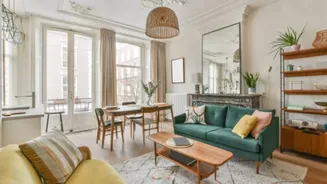
Bulky, dark-coloured furniture can make a room feel crowded and heavy. Opt for lighter-coloured pieces, like a beige sofa or an oak coffee table, to help bounce light around. Furniture with raised legs, such as a mid-century modern-style console, allows light to pass underneath, creating a sense of openness. Pay attention to placement—avoid putting tall or bulky items in front of windows where they might block light. Streamlining your interior by removing unnecessary clutter can also make a significant difference, as it creates cleaner lines and fewer shadows.