




From Milestone to Mainstay
Not long ago, a luxury hotel stay was reserved for a honeymoon, a landmark anniversary, or a major professional achievement. It was an occasional indulgence, meticulously planned and saved for over years. Today, that model is being rewritten. A significant
trend shows Indian travellers are integrating premium experiences into their regular lives. Instead of one big annual trip, many now prefer multiple shorter, high-quality breaks throughout the year. This shift is so pronounced that a majority of Indian travellers now reportedly prioritise spending on luxury travel over other significant life events like lavish weddings or buying designer goods. The focus has moved from saving for a singular, distant event to embracing frequent, restorative escapes as an essential component of a balanced life.
The New Definition of Luxury
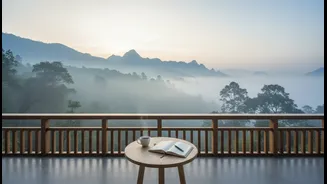
What does 'luxury' even mean in this new context? It's less about sheer opulence and more about the quality of the experience. Today’s discerning traveller seeks privacy, personalisation, and peace. This has fuelled the rise of boutique hotels, heritage properties, private villas, and wellness retreats that offer something unique. Travellers are actively seeking out unconventional, curated stays that make the accommodation itself the main attraction. The demand is for experiences like private art archive tours in a Rajasthani palace, cooking with a local family, or wellness journeys that focus on restoration. This redefinition means luxury is now measured in memorable moments and personal growth, not just thread counts and chandeliers.
What's Fuelling the Change?
Several factors are driving this evolution. Rising disposable incomes and a growing upper and middle class are significant contributors, giving more people the financial capacity to travel well. The post-pandemic era has also instilled a “you only live once” (YOLO) mindset, where experiences are valued more than possessions. The rise of flexible and remote work arrangements has given birth to the 'workation' and 'staycation' culture, allowing professionals to blend productivity with leisure in scenic, high-end locations. Furthermore, younger generations like Millennials and Gen Z, influenced by social media, are prioritising unique, content-worthy journeys, often making independent travel decisions and viewing travel as an expression of their identity.
The Industry Takes Note
The hospitality industry has been quick to adapt. Hotels are no longer just selling rooms; they are curating experiences. On-property activities like book readings, spiritual workshops, and culinary classes are becoming common as hotels compete to be the destination itself. There's a growing focus on non-room revenue, which now accounts for a significant portion of earnings in the premium segment. Brands are expanding into Tier-2 and Tier-3 cities to tap into new markets, driven by improved infrastructure and a desire for authentic, less crowded destinations. From heritage palaces in Rajasthan to tranquil estates in Kerala, properties are leveraging their unique stories and cultural settings to attract travellers seeking authenticity. This domestic demand has become a crucial growth engine for India's luxury hotel market, making it more resilient to fluctuations in international tourism.