


Why The Monsoon Is Magical
Conventional wisdom suggests that wildlife safaris are best saved for the dry winter months. The logic is sound: thinner foliage and scarce water sources make spotting animals easier. But this overlooks the unique magic of the monsoon. The rains breathe
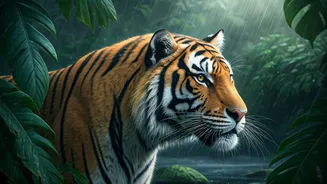
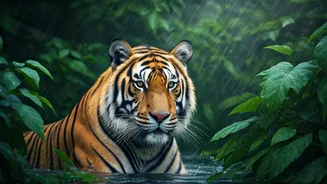
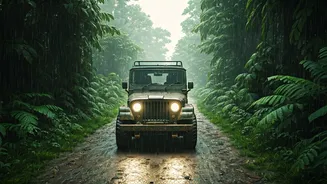
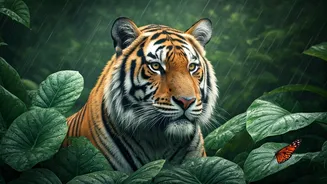
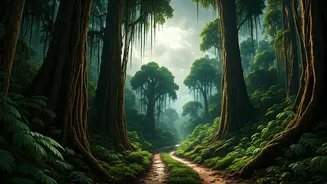
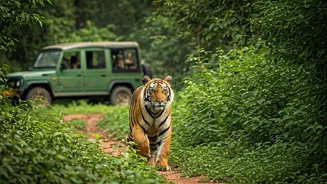
new life into the parched landscape, transforming dusty tracks into verdant corridors. The air is clean, the light is soft and diffused—perfect for photography—and the forest is alive with the sounds of croaking frogs and singing birds. With fewer tourists, the experience becomes more intimate and personal. Animals, especially herbivores, are in their element, surrounded by abundant food. Predators, like tigers and leopards, often stick to the safari tracks to avoid the wet, dense undergrowth, sometimes leading to surprisingly good sightings.
Ranthambore's Green Makeover (Rajasthan)
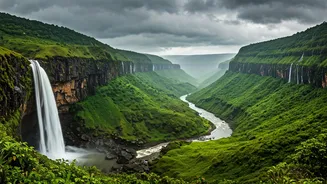
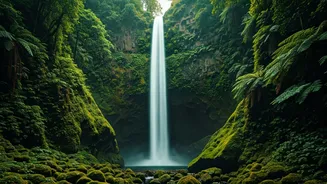
While the core zones of Ranthambore National Park close during the monsoon, the buffer zones (Zones 6-10) remain open, offering a completely different spectacle. The dry, rugged Aravalli hills are draped in a carpet of stunning green, dotted with seasonal waterfalls and streams. This is the time to appreciate the landscape in its full glory. While tiger sightings can be a matter of luck, this period is excellent for spotting sambar deer, nilgai, and a plethora of bird species. The lack of crowds means you can enjoy the majestic forts and ruins within the park's periphery in serene solitude. A monsoon safari here is less about ticking off a tiger sighting and more about soaking in the dramatic, atmospheric beauty of the jungle.
Tadoba-Andhari Tiger Reserve (Maharashtra)
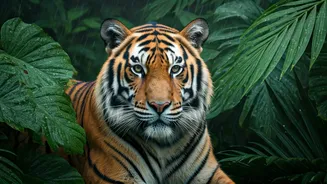
Known for its high tiger density, Tadoba keeps several of its buffer zones and even parts of its core area accessible during the monsoon. The experience is intense and immersive. The forest becomes a symphony of greens, and the resident tigers are often seen patrolling their territories along the water-logged paths. The park’s numerous water bodies, like Telia and Tadoba lakes, are brimming with life. Seeing a magnificent tiger against a backdrop of dark monsoon clouds and lush foliage is an unforgettable sight. Besides tigers, you can spot leopards, sloth bears, and wild dogs. The damp earth also makes tracking pugmarks an exciting part of the safari experience.
Corbett's Year-Round Havens (Uttarakhand)
India’s oldest national park, Jim Corbett, shuts its main tourism zones like Dhikala during the rains. However, the Jhirna and Dhela zones, along with the Sitabani Forest Reserve on the periphery, remain open throughout the year. Nestled in the Himalayan foothills, Corbett is exceptionally beautiful during the monsoon. The Sal forests are at their greenest, and the Ramganga River swells, adding to the scenic charm. This is a prime time for elephant sightings, as large herds are often seen enjoying the lush vegetation. The birdwatching is also phenomenal, with resident species joined by some early migratory birds. The air is fresh with the petrichor, the smell of rain on dry earth, making it a truly sensory journey.
Periyar's Lakeside Spectacle (Kerala)
Down south, Periyar National Park in Kerala offers a unique safari experience that is perfectly suited for the monsoon: by boat. The park is centred around a large artificial lake, and boat safaris are the primary way to explore it. During the rainy season, the Western Ghats are at their most breathtaking, shrouded in mist and receiving frequent showers. From the safety of your boat, you can witness herds of elephants coming to the water's edge to drink and play, unbothered by the rain. Gaur (Indian bison), sambar, and a variety of aquatic birds are common sights. The cool, misty weather and the emerald landscape make for a tranquil and deeply rewarding wildlife-watching experience, far from the dust and heat of a typical jeep safari.