






The Wisdom of a Shravan Diet
The traditional Shravan diet, often called a ‘vrat’ or fasting diet, has deep roots in seasonal wisdom. During the monsoon, our digestive system tends to become weaker. Ayurvedic principles suggest that our 'Agni' or digestive fire is diminished, making
it harder to process heavy foods. The Shravan diet naturally aligns with this reality by encouraging light, easily digestible foods known as 'sattvic' foods. This is why practices like avoiding non-vegetarian food, onions, and garlic are common. These ingredients are considered 'tamasic' or 'rajasic', believed to be heavy on the system and not conducive to spiritual focus or easy digestion during this sensitive season. By adopting this diet, you are not only following tradition but also giving your digestive system a much-needed break.
Hydrate Wisely, Stay Energised
High humidity can be deceiving; you might be sweating and losing fluids without realizing it. Staying hydrated is crucial, but it's about more than just drinking plain water. Start your day with warm water, perhaps with a dash of honey or a squeeze of lemon, to help kick-start your metabolism. Herbal teas made from ginger, tulsi, or cumin are excellent choices throughout the day. These not only keep you hydrated but also have properties that can help boost immunity and aid digestion. While dairy products like milk, lassi, and buttermilk are great for fasting, try to consume them during the day rather than late at night.
Embrace Fast-Friendly Grains and Flours
Regular grains like wheat and rice are often avoided during Shravan fasts. This is a perfect opportunity to explore a variety of nutritious alternatives that are gentle on the stomach. Flours such as Kuttu (buckwheat), Singhara (water chestnut), and Rajgira (amaranth) are popular choices. These are gluten-free and packed with nutrients. Sabudana (tapioca pearls) and Samak rice (barnyard millet) are other staples that provide steady energy. Preparing a simple khichdi with samak rice or sabudana, seasoned lightly with sendha namak (rock salt) and cumin, makes for a wholesome and comforting meal that aligns perfectly with monsoon health principles.
Be Mindful with Fruits and Vegetables
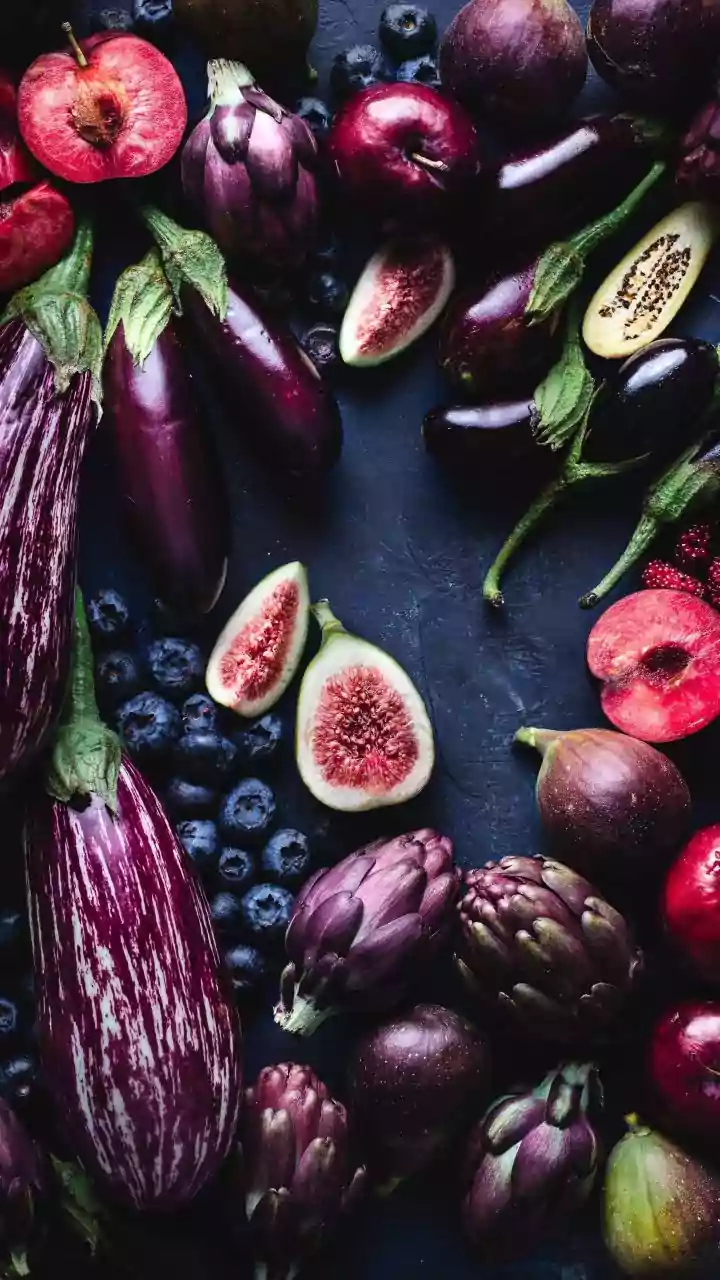
Fruits are a cornerstone of the Shravan diet, providing essential vitamins and natural sugars. Apples, bananas, pomegranates, and pears are excellent choices. However, caution is advised with vegetables, especially leafy greens. During the monsoon, damp conditions can lead to a higher concentration of germs and insects on leafy vegetables like spinach and cabbage. Traditional wisdom suggests avoiding them, which is a sound hygiene practice for the season. Instead, opt for vegetables like lauki (bottle gourd), pumpkin, and potatoes, which are safer to consume when cooked thoroughly. Always wash all fruits and vegetables meticulously, preferably with clean, filtered water, before consumption.
Prioritise Hygiene and Home Environment
The monsoon is a breeding season for mosquitoes and various pathogens. Simple hygiene practices become your first line of defence. Ensure there is no stagnant water around your home to prevent mosquitoes from breeding, which can spread diseases like dengue and malaria. Maintain personal hygiene by bathing daily and wearing clean, dry clothes. If you get caught in the rain, change into dry clothes as soon as possible to prevent fungal infections and catching a cold. Keeping your home well-ventilated can also help reduce dampness and prevent the growth of mould.
Incorporate Gentle Movement
While heavy, strenuous workouts might not be ideal during a period of fasting and lower energy, gentle movement is highly beneficial. The gloomy weather can sometimes lead to lethargy. Counter this by practising yoga or simple indoor exercises. Breathing exercises like Pranayama not only generate warmth in the body but also help in calming the mind, which complements the spiritual goals of Shravan. A regular, light-activity schedule boosts metabolism and improves circulation without putting undue stress on your body, keeping you feeling active and positive throughout the month.