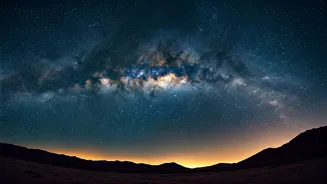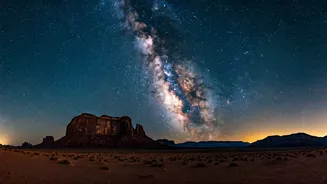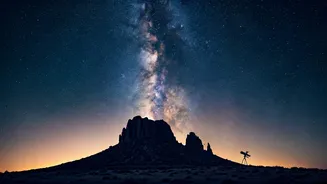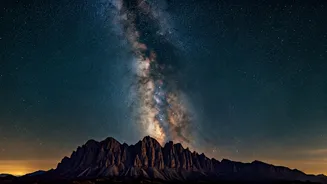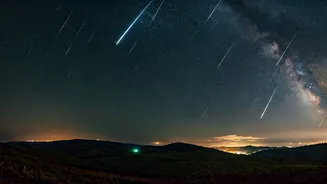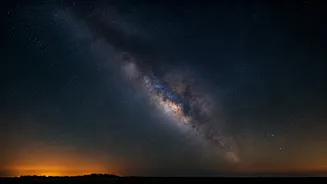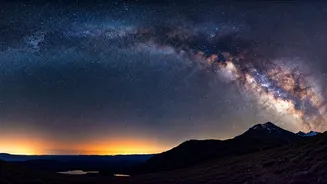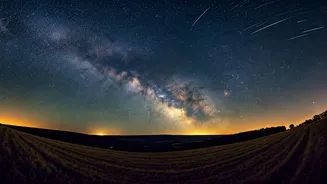





From Niche Hobby to Travel Trend
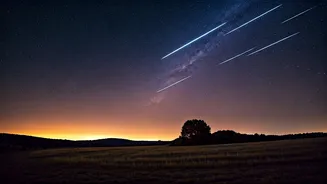
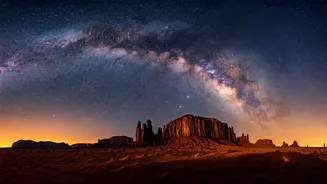
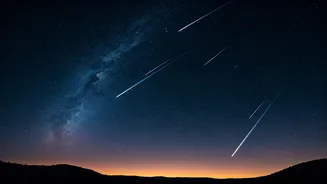
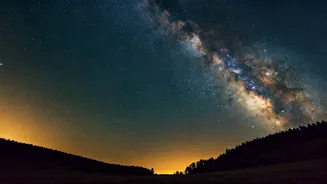
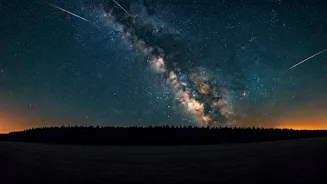
Not long ago, seeking out a truly dark night sky was the domain of dedicated astronomers and astrophotographers. Today, it’s a mainstream travel aspiration. So, what changed? The rise of “astro-tourism” is fuelled by several converging trends. It’s a natural
extension of wellness travel, offering a chance to disconnect from screens and reconnect with the natural world. As awareness grows about the negative effects of light pollution on both human health and ecosystems, people are actively seeking out the rare places on Earth where the cosmos is still visible in its full glory. This desire for authentic, awe-inspiring experiences has turned destinations with minimal light pollution into highly sought-after holiday spots.
Finding a Certified Dark Sky
To help travellers, organisations like DarkSky International certify areas that are committed to preserving natural darkness. These “International Dark Sky Places” come in several categories. Parks are protected areas with exceptional starry nights that offer visitor programmes. Reserves consist of a dark core zone surrounded by a populated area that helps protect the core's darkness. Sanctuaries are the most remote and darkest places, often in fragile conservation states. This certification has become a trusted signal for tourists, guiding them to locations that promise a breathtaking celestial show. As of early 2023, there were over 200 such certified places across the globe.
India’s Celestial Hotspots
India, with its diverse and dramatic landscapes, offers some truly world-class stargazing opportunities. The undisputed crown jewel is Ladakh. Its high altitude, dry air, and sparse population create near-perfect viewing conditions. Hanle, located in the Changthang region, is home to India’s first designated Dark Sky Reserve. Here, the Milky Way is a brilliant spectacle, and even the Andromeda Galaxy can be spotted with the naked eye. Another exceptional high-altitude destination is Spiti Valley in Himachal Pradesh, with villages like Kaza and Kibber offering incredibly dark skies against a backdrop of ancient monasteries. For those in other parts of the country, the white salt desert of the Rann of Kutch in Gujarat, and the coffee plantations of Coorg in Karnataka also provide fantastic opportunities to escape city lights.
Planning Your Cosmic Adventure
A successful stargazing trip requires a bit of planning. First, timing is everything. The best viewing conditions are during a new moon, as the brightness of a full moon can wash out fainter stars. Also, check the weather forecast for clear skies. Second, think about gear. While you don't need to be an expert, a pair of binoculars can dramatically enhance your view of the moon's craters or Jupiter's moons. There are also numerous smartphone apps that can help you identify constellations and planets. Finally, remember to use a red-light torch instead of a white one; it helps preserve your night vision and is less disruptive to wildlife and fellow stargazers. It can take your eyes up to 30 minutes to fully adjust to the dark.