


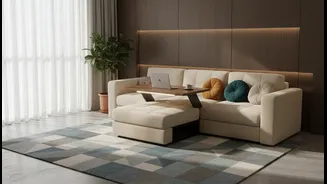


The Unexpected Benefits of Going Smart with Storage
The most obvious advantage of smart storage is creating more physical space. But the benefits go far deeper, transforming not just your home, but your quality of life. Embracing multifunctional furniture and vertical storage drastically reduces clutter,
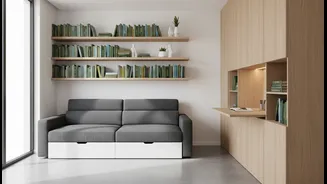
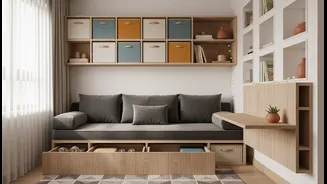
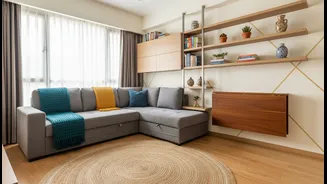
which in turn creates a calmer, more breathable environment that can lower daily stress. When every item has a designated spot, cleaning becomes faster and simpler. Financially, investing in a few high-quality, dual-purpose pieces—like a sofa that doubles as a guest bed or an ottoman with hidden storage—can be more cost-effective than buying numerous single-function items. This approach also supports a more sustainable lifestyle by reducing overall consumption. Ultimately, a well-organised home adapts to the dynamic needs of modern Indian life, whether you need a corner for your work-from-home setup or extra seating for guests during a festival.
The Hidden Risks and Common Pitfalls to Avoid
While the promise of a sleek, organised home is alluring, there are significant risks to consider, particularly with modular furniture in the Indian market. A common issue is inconsistent quality, where competition is driven by price rather than durability. Many homeowners are tempted by cheaper options, only to find their investment failing within a few years. A major pitfall is the choice of material. For kitchens, low-cost materials like MDF or particle board are a disaster waiting to happen, as they swell and warp in India's humid conditions and from the heat of cooking. Always insist on more robust materials like BWP (Boiling Waterproof) plywood for wet areas. Another weak point is hardware; poor-quality hinges and drawer channels can break, making your cabinets frustrating to use. Finally, improper installation can ruin even the best furniture. Inaccurate measurements can lead to awkward gaps or a cramped layout, defeating the entire purpose of saving space.
Your Practical First Step: Declutter with Purpose
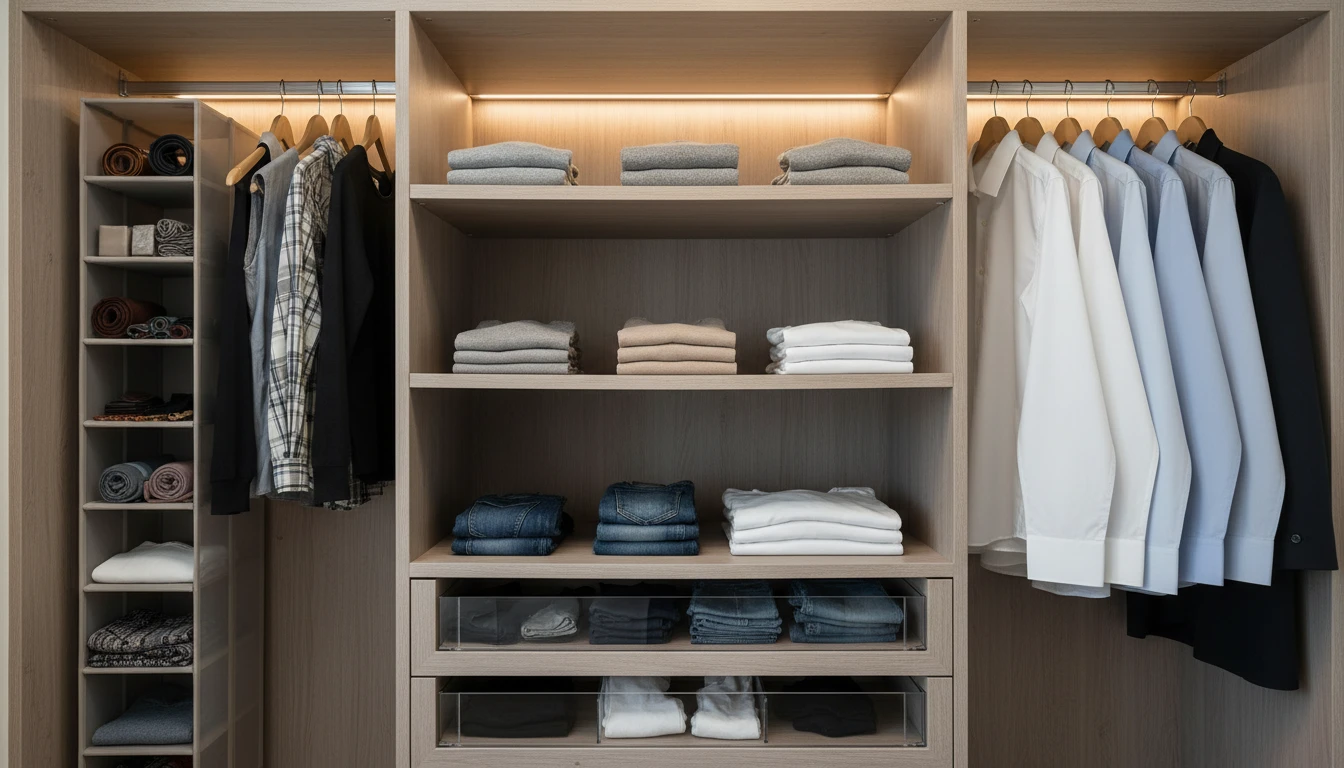
Before you buy a single new piece of furniture, the most crucial step is to declutter. You cannot organise clutter. A simple yet effective strategy popular among organisers is the 'one-year rule': if you haven't used an item in the last 12 months and it holds no strong sentimental value, it's time to let it go. Another powerful method is to sort your belongings by category, not by room. Instead of trying to clean the bedroom, decide to tackle all your clothes at once, gathering them from every cupboard and storage box. This gives you a true inventory of what you own and prevents you from simply shifting piles from one room to another. Create three piles: Keep, Donate, and Discard. Being ruthless here is key. This initial purge will free up surprising amounts of space and give you a clear idea of your actual storage needs.
Investing in Smarter, Harder-Working Furniture
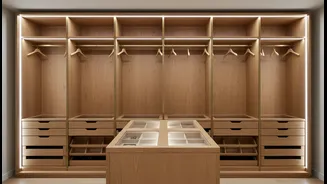
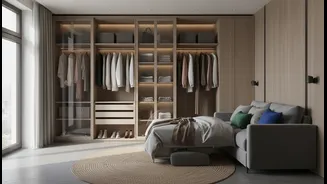
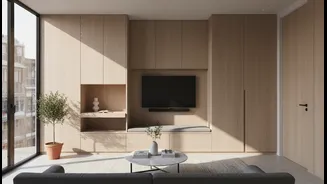
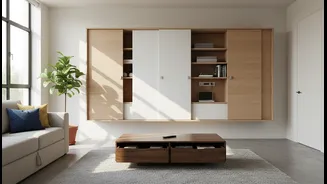
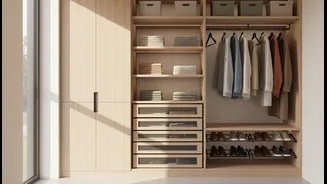
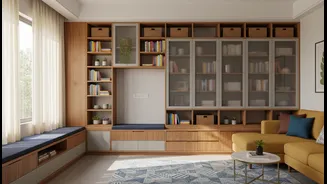
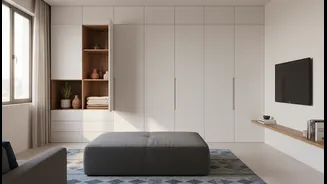
With a decluttered space, you can now invest in solutions that work for you. The guiding principle for small flats is to make every piece of furniture earn its keep. Think vertically to draw the eye upward and free up valuable floor space. Wall-mounted shelves, tall bookcases, and floor-to-ceiling wardrobes are excellent choices, taking advantage of a room's height. Next, prioritise multifunctional furniture. A coffee table with built-in drawers, a bed with hydraulic storage underneath for bulky seasonal items, or a wall-mounted foldable table that can serve as a dining area or a study desk are game-changers in compact homes. When choosing these pieces, focus on light colours and reflective finishes to make the room feel brighter and more open. Don't forget underutilised spaces like corners, the area above doors, and the space under the kitchen sink, which can be made functional with the right organisers.
Maintaining an Organised Home for the Long Run
Once you've achieved an organised home, the final challenge is to keep it that way. This doesn't require hours of work, but rather small, consistent habits. One of the most effective is the 'one-in, one-out' rule: for every new item you bring into your home, an old one must leave. This prevents the slow creep of clutter. Another simple habit is the five-minute evening tidy-up. Before going to bed, take a few moments to clear surfaces like your dining table, kitchen counter, and entryway. This small reset makes a huge difference in how you feel starting the next day. By creating simple routines and being mindful of what you accumulate, you can ensure your space remains a functional and peaceful sanctuary, proving that the size of your home matters far less than how you live in it.