



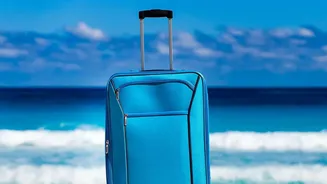


The Humid Holiday Packing Problem
A trip to a tropical, humid destination presents a unique set of packing challenges. Beyond fitting everything you need, you have to contend with moisture in the air. This can leave clean clothes feeling slightly damp upon arrival and, worse, risks mildew
if items are packed with even a hint of moisture. Bulky essentials like beach towels, flowy kaftans, and extra swimwear take up significant space. The goal is to pack smart, not just to save room, but to create a protective barrier against the pervasive dampness that can make clothes smell musty before you even wear them. This is where a simple but transformative travel tool comes into play: the vacuum compression pouch.
Your Secret Weapon: Vacuum Compression Pouches
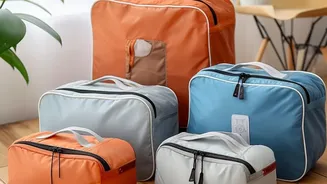
Vacuum compression bags are airtight pouches that allow you to remove excess air from soft goods, shrinking their volume dramatically. For travelers, this means you can pack more in less space. But for a beach trip, their biggest advantage is protection. The airtight seal acts as a fortress against external elements, namely moisture, dust, and odours. This means your clothes arrive just as fresh as when you packed them. On the return journey, these bags are perfect for quarantining damp swimwear or used gym clothes, preventing them from making everything else in your suitcase smell funky.
The Right Way to Roll, Pack, and Seal
Using compression bags effectively is simple, but a few key steps make all the difference. First, ensure every item is completely clean and dry to prevent mould growth inside the bag. Neatly fold or roll your clothes; rolling is often better for minimizing hard creases. Don’t overstuff the bag. Leave a bit of space near the zipper to ensure you can get a perfect, clean seal. Once filled, press the zipper firmly from one end to the other, using the small plastic slider that often comes with the bags for a guaranteed airtight lock. For travel-specific bags, you’ll either use a small, portable hand pump or simply roll the bag to push the air out through a one-way valve.
Know What to Compress (and What to Avoid)
These bags work wonders on most bulky, resilient fabrics. Think cotton t-shirts, denim shorts, polyester blends, towels, and hoodies. These materials compress beautifully and bounce back with minimal fuss. However, not everything in your wardrobe is a good candidate for compression. Avoid packing delicate fabrics like silk or anything with beading and embroidery. Steer clear of vacuum-packing leather, which can get permanent creases. Items that rely on trapped air for their structure, like puffer jackets, can be compressed for a short trip, but long-term compression can damage their insulating loft. For anything you're concerned about wrinkling, these might not be the best solution.
Travel and Security Considerations
Vacuum-sealed bags are perfectly permissible in both carry-on and checked luggage. However, be aware that Transportation Security Administration (TSA) agents may need to inspect the contents. If they open a compressed bag in your carry-on, you'll need a way to reseal it. This is why travel-specific bags—the kind you can roll or use with a small, portable pump—are superior to those requiring a household vacuum cleaner. One pro tip is to pack the compressed bags in a way that’s easy to access, so an inspection doesn't require unpacking your entire suitcase.
The Art of the Repack
One of the most satisfying parts of using compression bags is on the journey home. They become the perfect receptacle for dirty laundry, keeping it separate and contained. For those still-damp swim trunks or that towel you used on the last morning, an airtight bag is a lifesaver, protecting your clean souvenirs and remaining clothes from moisture and odour. A clever hack for shaping the bags is to place them in your suitcase before removing the air. This allows the bag to mould itself into the available space, preventing the creation of a stiff, awkward brick that’s hard to fit.