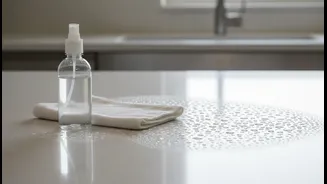






Why Humidity Is a Kitchen Nightmare
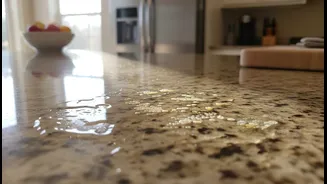
High humidity is more than just a comfort issue; it's a major factor in microbial growth. Moisture in the air can settle on surfaces, and even tiny amounts of water are enough for bacteria, mould, and mildew to thrive, especially in the warmth of a kitchen.
This can happen quickly, sometimes within 24 to 48 hours. Cooking activities like boiling water and washing dishes naturally release steam, adding to the room's humidity. Without proper ventilation, this moist air gets trapped, creating an ideal environment for germs on countertops, chopping boards, and other surfaces, which can lead to unpleasant odours and potential health concerns. Controlling moisture is the first step to a healthier kitchen.
Cleaning vs. Sanitising: Know The Crucial Difference
Many use the terms interchangeably, but cleaning and sanitising are two distinct and essential steps. Cleaning is the process of physically removing visible dirt, grease, and food particles from a surface using soap and water. While cleaning does remove many germs, its main goal is to get rid of the grime. Sanitising, on the other hand, is what you do after cleaning. This step uses a specific agent to reduce the number of harmful pathogens like bacteria and viruses to a safe level. For a sanitizer to be effective, the surface must be cleaned first; otherwise, leftover food and dirt can prevent the sanitizer from reaching and killing the germs. Think of it as a one-two punch: clean for appearance, then sanitise for safety.
Your Step-by-Step Sanitising Routine
A consistent routine is your best defence. Any surface that comes into contact with food needs to be cleaned and sanitised after every use, especially after preparing raw meat, poultry, or fish. 1. Clear and Scrape: First, remove all food scraps and items from the surface. 2. Clean with Soap and Water: Wash the surface thoroughly with a clean cloth, warm water, and a good dish soap or detergent to remove all visible dirt and grease. 3. Rinse: Wipe the surface with a clean, damp cloth to remove any soap residue. 4. Apply Sanitiser: Now, apply your chosen sanitising solution. Make sure the surface is coated and remains wet for the required 'dwell time'—the period needed to kill microbes, which is usually specified on the product label. 5. Air Dry: Let the surface air dry completely. Using a towel can reintroduce germs you just worked to eliminate.
Harnessing Natural Sanitisers from Your Pantry
For daily sanitising, you don't always need to reach for harsh chemicals. Several items common in Indian kitchens have natural sanitising properties. White Vinegar: The acetic acid in vinegar is effective against bacteria like E. coli and Salmonella. A solution of equal parts white vinegar and water can be sprayed on surfaces. Let it sit for several minutes before wiping. However, avoid using vinegar on natural stone like marble, as the acid can damage the surface. Lemon and Baking Soda: This combination is great for light cleaning and tackling grease. The citric acid in lemon has antibacterial properties, and baking soda acts as a gentle abrasive. Make a paste for scrubbing, or use a cut lemon dipped in baking soda to clean sinks and non-stone counters.
When and How to Use Chemical Disinfectants
While natural cleaners are great for daily use, there are times when a stronger, commercially prepared sanitiser is necessary. This is especially true after handling raw meat or if a household member has been ill. Look for products with an EPA registration number, which ensures they have been tested for effectiveness. Always choose a product that is labelled as food-safe or for use on food-contact surfaces. Follow the instructions on the label carefully, paying close attention to the dilution ratio and the required dwell time to ensure you are killing 99.9% of germs as promised. Remember, these products are most effective on a pre-cleaned surface.
Managing Overall Kitchen Humidity
Beyond just cleaning surfaces, lowering the overall humidity in your kitchen is key. Use an exhaust fan or chimney whenever you cook or boil water to pull steam out of the room. If you don't have one, opening a window can help circulate the air. Covering pots and pans while cooking also traps steam, reducing the amount of moisture released into the air. Consider using a dehumidifier, especially during monsoon season or in poorly ventilated kitchens, to maintain an ideal humidity level, which experts suggest is between 40-60%. Regularly check for and fix any leaks under the sink to prevent hidden moisture build-up.