






More Than Just Quenching Thirst
That feeling of thirst is your body's lagging indicator; by the time you feel it, you're already on the way to being dehydrated. For hikers, dehydration is more than just an inconvenience—it's a direct drain on performance. Even a small fluid loss, as
little as 2% of your body weight, can lead to a noticeable drop in endurance and physical performance. It begins when you lose more fluid through sweat than you take in. This loss reduces your overall blood volume, making your heart work harder to pump oxygen and nutrients to your hard-working muscles. This increased cardiovascular strain is a primary reason why you start to feel fatigued much earlier in your hike.
Keeping Your Engine Cool
Think of water as your body's internal coolant. During a long walk, your muscles generate a tremendous amount of heat. Your body's primary way of getting rid of this heat is by sweating. As sweat evaporates from your skin, it cools you down. However, this process relies on having enough fluid to spare. When you become dehydrated, your body's ability to sweat and regulate its core temperature is impaired. This can cause your core temperature to rise, increasing the risk of heat-related illnesses like heat exhaustion and heatstroke, which are serious medical emergencies. Consistent sipping ensures your body has the resources it needs to stay cool, allowing you to hike safely for longer.
Fuel for Your Muscles
Muscle cramps are a hiker's nemesis, capable of stopping you in your tracks. Dehydration is a major culprit. Water is essential for proper muscle function, helping them contract and relax smoothly. When you're low on fluids, your muscle cells can become irritated, leading to those painful, involuntary contractions. Furthermore, sweat isn't just water; it's also packed with electrolytes like sodium, potassium, and magnesium. These minerals are critical for nerve function and muscle contraction. Simply chugging plain water after significant sweat loss can sometimes dilute the remaining electrolytes in your system, potentially making cramps worse. This is why for long, strenuous hikes, sipping a drink with electrolytes can be more effective at preventing cramps.
Sharpening Your Focus
The effects of dehydration aren't just physical; they're mental, too. A lack of adequate hydration can impair cognitive function, leading to confusion, dizziness, and irritability. On the trail, this can be dangerous, affecting your coordination and decision-making, which increases the risk of stumbles or taking a wrong turn. Dehydration also significantly increases your 'rating of perceived exertion' (RPE). This means the hike literally feels harder than it would if you were properly hydrated, even at the same pace. Staying hydrated helps keep your mind sharp and your mood stable, making the entire experience more enjoyable and safer.
The Art of Sipping
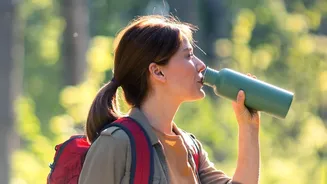
So, how should you hydrate? The key is consistency. Instead of chugging a large amount of water at infrequent stops, it's far more effective to sip fluids regularly throughout your hike. This allows your body to absorb the water more efficiently without overwhelming your system. A good rule of thumb is to start hydrating before you even hit the trail and then take small, regular sips every 15 to 20 minutes during your walk. For hikes lasting more than an hour or in hot conditions, consider alternating between water and an electrolyte drink to replenish the crucial minerals lost through sweat. Listen to your body and pay attention to early signs like headache or dark-coloured urine, which indicate you need to drink more.