


As winter settles in, so does the familiar season of coughs, colds, and flu. With people spending more time indoors, understanding how to protect yourself is key. Simple, proven strategies can make a huge difference in staying healthy.
Why Winter Is Peak Season for Sickness
The annual surge
in respiratory illnesses like the flu, respiratory syncytial virus (RSV), and common colds isn't just a coincidence. Several factors create a perfect storm for viruses. Cold, dry air helps virus-laden droplets hang in the air for longer periods, increasing the chance of transmission. This dry air can also impair our body's first line of defence in the nose and throat, making it easier for viruses to take hold. More importantly, colder weather drives us indoors into shared spaces like homes, offices, and public transport. These crowded, often poorly ventilated environments allow viruses to spread much more efficiently from person to person.
The Overlooked Power of Fresh Air
Ventilation is one of the most effective tools for reducing the spread of airborne viruses. When someone infected with a respiratory virus coughs, sneezes, or even talks, they release tiny particles containing the virus into the air. In a sealed room, these particles can accumulate, significantly increasing the risk for everyone present. Improving ventilation means introducing fresh outdoor air to dilute and disperse these viral particles. The solution doesn't have to be complicated. Simply opening windows and doors for a few minutes several times a day can make a substantial difference. In offices or homes with mechanical systems, ensuring they are set to bring in fresh air rather than recirculating stale air is crucial.
Rethinking Close Indoor Contact
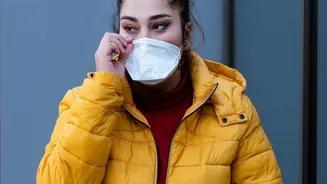
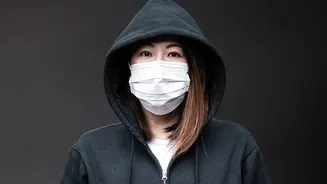
Since respiratory viruses thrive in crowded indoor settings, being mindful of close contact is a key preventative measure. The risk of transmission is highest when people are in close proximity for extended periods. This is particularly true during holiday gatherings or in busy public spaces. While avoiding all indoor gatherings is not always practical, you can take steps to make them safer. When possible, keep a reasonable distance from others, especially if someone is showing symptoms of illness. If you are feeling unwell yourself, staying home is the most important step you can take to protect others. For situations where distancing is difficult, such as on a crowded bus or in a market, wearing a well-fitting mask can provide an additional layer of protection for you and those around you.
The Unchanging Importance of Hygiene
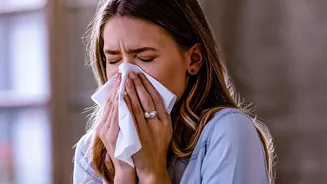
Good hygiene remains a fundamental pillar of infection prevention. Viruses don't just spread through the air; they can also live on surfaces like doorknobs, light switches, and mobile phones. If you touch a contaminated surface and then touch your eyes, nose, or mouth, you can become infected. Frequent and thorough handwashing with soap and water for at least 20 seconds is one of the most effective ways to remove these germs. When soap and water aren't available, an alcohol-based hand sanitizer is a good alternative. It's also vital to avoid touching your face with unwashed hands, cover coughs and sneezes with a tissue or your elbow, and regularly clean frequently touched surfaces in your home and workplace.
Layering Defences for a Healthier Winter
No single action is a silver bullet against winter illnesses. The most effective strategy is a layered approach that combines multiple good habits. Think of each habit as a layer of protection: good ventilation, mindful social contact, and rigorous hygiene all work together to lower your overall risk. This is in addition to other proven health measures, such as getting recommended vaccinations for illnesses like the flu and COVID‐19, which remain a primary line of defence against severe disease. Supporting your immune system through a balanced diet, regular exercise, and adequate sleep also prepares your body to fight off infections more effectively.