





A New Chapter in India’s Space Story
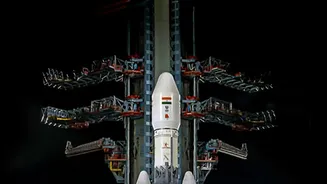
The roar of the rocket is no longer the sole domain of the Indian Space Research Organisation (ISRO). Following monumental successes like the Chandrayaan missions, which cemented India's place among the world's elite space-faring nations, the government
has thrown open the doors to the private sector. The result is a booming ecosystem of over 400 space technology startups, each dreaming of the stars. This strategic shift is designed to accelerate innovation, build a robust domestic space industry, and capture a larger slice of the global space economy. These companies aren't just building components; they are designing entire missions, from satellites to launch vehicles, heralding a new, collaborative era for India's journey to the cosmos.
The Quest for Frugal Innovation
The phrase 'low-cost' in the context of space exploration is relative, but for Indian startups, it is a guiding principle. Taking a cue from ISRO's legendary reputation for frugal engineering, these companies are redefining what it takes to get to the Moon. By leveraging modular design, advanced software, 3D printing, and innovative materials like all-carbon composites, startups are drastically cutting down development time and mission costs. This isn't about cutting corners; it's about smart engineering designed for specific, targeted missions without the overheads of traditional, multi-decade space agency programs. This approach makes lunar missions more accessible, not just for scientific research but for potential commercial applications in the future.
Meet the Lunar Pioneers
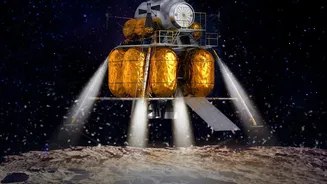
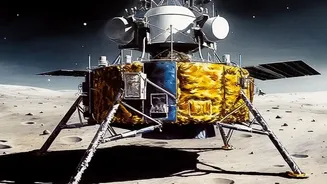
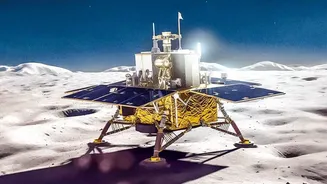
Several startups are leading the charge in India’s private lunar race. Companies like Skyroot Aerospace, which recently achieved a historic milestone with the first privately developed orbital rocket launch in India, exemplify this new wave of ambition. While Skyroot focuses on launch vehicles, other players are developing the crucial payloads. For instance, the founders of Kepler Aerospace have experience in nano-rover projects, showcasing the deep talent pool in the country. Another key entity, ORBITBeyond, is establishing a significant manufacturing and design center in Odisha, specifically to build lunar landers and rovers, drawing on engineering talent from past ISRO and international moon missions. These companies, and many others, are transforming Bengaluru, Hyderabad, and other cities into hubs of private space innovation.
Payloads, Partnerships, and Pathways
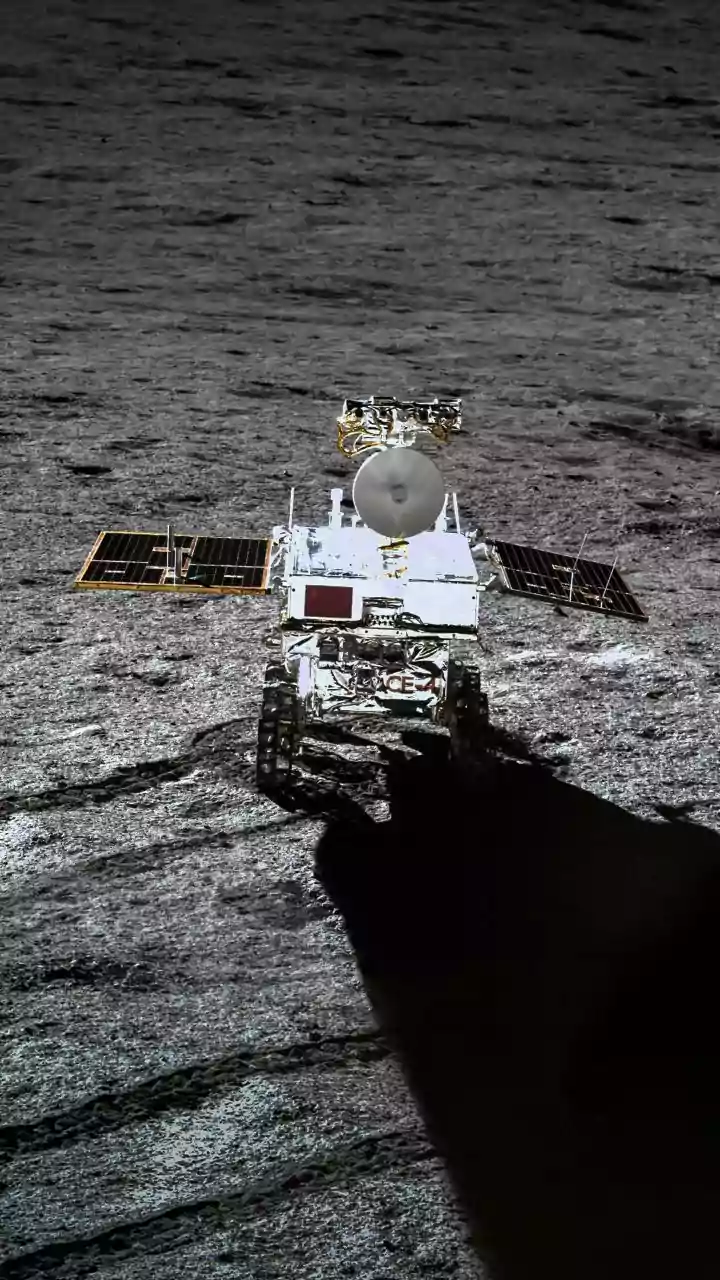
What will these rovers do? The primary goal is science and resource prospecting. Payloads are being designed to analyse lunar soil, prospect for water ice near the Moon’s South Pole, and test new communication technologies. To get there, these startups are pursuing a multi-pronged strategy. While some may eventually develop their own landers, the more immediate path is to secure a ride on larger missions. This could involve partnerships with ISRO, hitching a ride on one of its future lunar landers. Furthermore, with India signing the Artemis Accords and NASA formally inviting ISRO to participate in its Moon Base program, new avenues are opening up. This provides a golden opportunity for Indian startups to integrate their payloads with NASA’s Commercial Lunar Payload Services (CLPS) missions, putting Indian-made rovers on the global stage.