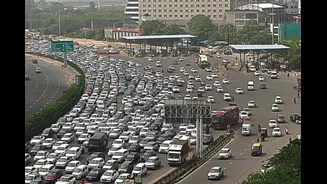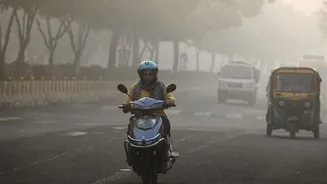


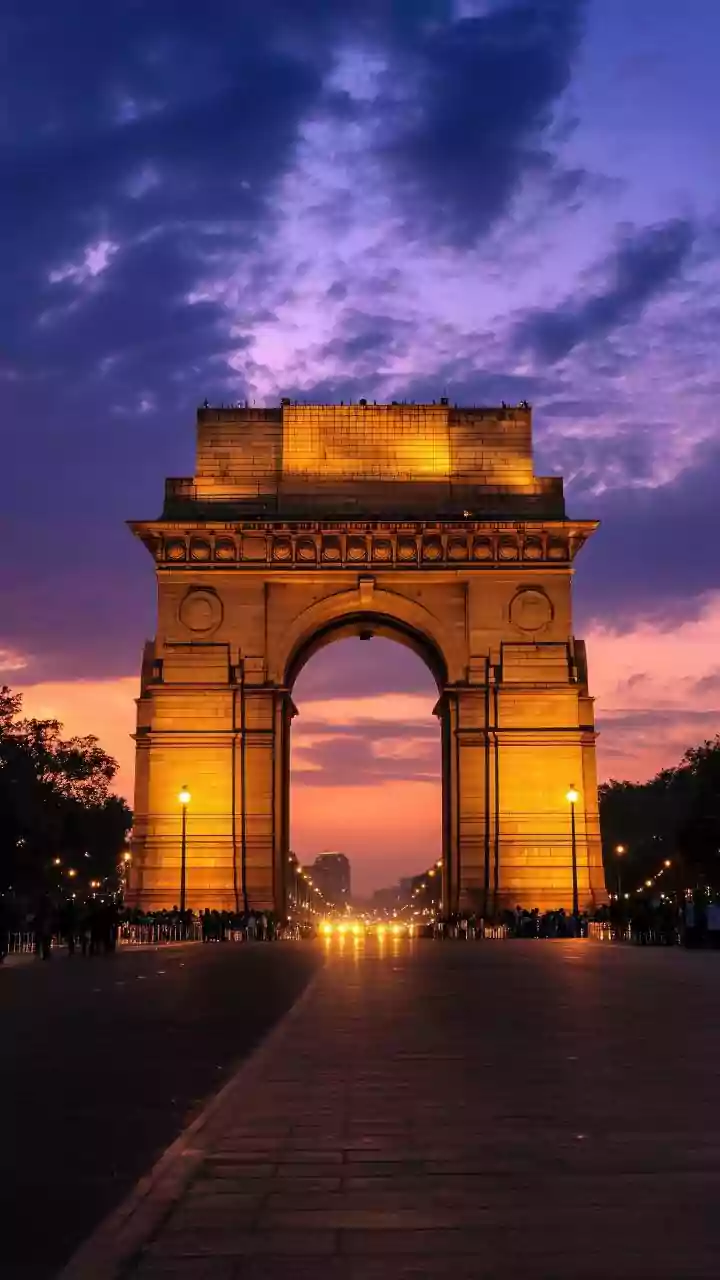


As winter approaches, so do Delhi's annual anti-pollution measures. From November 1, 2026, a major vehicle restriction plan kicks in at the city's borders, aimed at curbing the severe dip in air quality that plagues the capital each year.
The New Rule From November 1
To combat soaring
pollution levels during winter, the Delhi government is implementing a key part of its Winter Action Plan. From November 1, 2026, until January 31, 2027, vehicles registered outside of Delhi that do not meet Bharat Stage VI (BS-VI) emission standards will be barred from entering the city. This is a proactive measure to prevent the city's air quality from deteriorating further. The ban specifically targets a large number of older, more polluting vehicles that commute into the capital from neighbouring NCR towns. It's crucial to note that this is different from the Graded Response Action Plan (GRAP), although both systems work to control pollution. While GRAP measures are invoked based on daily air quality, this entry ban is a fixed, seasonal rule.
Which Vehicles Are Banned?
The rule is straightforward but has important details. The ban applies to all petrol and diesel vehicles registered outside Delhi that are rated BS-III, BS-IV, or lower. If your car is registered in a city like Gurugram, Noida, Ghaziabad, or Faridabad, and it is not a BS-VI model, you will not be permitted to drive it into Delhi during this period. Commercial vehicles face similar restrictions, with BS-IV and older trucks and buses also being barred entry unless they run on cleaner fuels. However, vehicles that are already registered in Delhi are not subject to this specific entry ban, though they must still comply with other pollution rules, such as age limits (10 years for diesel, 15 for petrol) and having a valid pollution certificate.
Are There Any Exemptions?
Yes, several categories of vehicles are exempt from this entry ban. The most significant exemptions are for vehicles running on cleaner fuels. All electric vehicles (EVs) and cars that run on Compressed Natural Gas (CNG) are permitted to enter Delhi, regardless of their registration location or BS standard. Additionally, vehicles used for essential and emergency services, such as ambulances and fire trucks, will be allowed entry. Vehicles specially adapted for use by persons with disabilities are also exempt from similar restrictions under GRAP Stage III rules. So, if you drive an EV or a CNG car, you can continue to commute into Delhi without issue.
How To Check Your Car's Emission Norm
If you are unsure about your vehicle's emission standard, there are a few easy ways to check. The Bharat Stage norm is usually mentioned on your car's Registration Certificate (RC). You can also check online using the government's VAHAN portal through the Parivahan Sewa website. By entering your vehicle's registration number, you can get details including its emission standard. Knowing your vehicle's BS stage is crucial, as enforcement at the borders will be strict, with authorities using both physical checks and AI-powered Automatic Number Plate Recognition (ANPR) cameras to flag non-compliant vehicles.
Don't Forget Your PUC Certificate
Separate from the entry ban on non-BSVIs vehicles is the 'No PUC, No Fuel' rule, which will also be strictly enforced from November 1. This applies to all vehicles, including those registered in Delhi and those that are BSVIs compliant. Under this rule, fuel stations across the city will deny petrol, diesel, or CNG to any vehicle that does not have a valid Pollution Under Control (PUC) certificate. Driving without a valid PUC can also result in a fine of up to ₹10,000, while driving a banned vehicle category during highndollution days can attract a fine of ₹20,000.