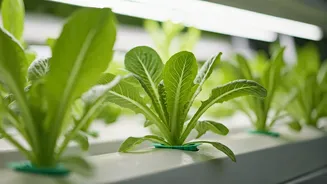









The Magic of Soil-Free Farming
At the core of this green revolution are methods like hydroponics and aeroponics. Hydroponics involves growing plants in a nutrient-rich water solution, completely eliminating the need for soil. Think of it as a direct delivery system for all the food
a plant needs. Aeroponics takes it a step further, suspending plants in the air and misting their roots with a nutrient-dense vapour. These techniques, often housed within controlled environments, allow for precise management of light, temperature, and nutrition, creating perfect growing conditions year-round. This control means faster growth cycles and higher yields compared to traditional agriculture.
Why It's Perfect for Our Cities
Indian cities are growing at a breakneck pace, and with that comes shrinking open spaces and increasing pressure on resources like water. This is where soil-free farming shines. By going vertical, these farms can stack layers of crops in a small footprint, transforming underutilised spaces like rooftops and warehouses into productive green zones. This method is incredibly water-efficient, using up to 90% less water than conventional farming because the water is recycled within a closed-loop system. For a water-stressed nation, this is a significant advantage. Furthermore, growing produce within city limits drastically cuts down on transportation costs and carbon emissions, delivering fresher, more nutritious food to consumers.
The 'Glow-Up' in Action
The 'glow-up' isn't just about technology; it's about a smarter, cleaner, and more local approach to food. Startups and urban farmers across cities like Bengaluru, Gurugram, and Hyderabad are pioneering this change. Companies like UrbanKisaan and City Greens are not just growing vegetables; they are building hyper-local farm networks that supply everything from leafy greens to herbs directly to consumers and restaurants. This farm-to-table model reduces food waste and ensures consumers know exactly where their food comes from. The glow-up is also aesthetic, with sleek vertical gardens and green walls becoming architectural features that can help purify the air and reduce the urban heat island effect.
Beyond Just Leafy Greens
While leafy greens like lettuce and herbs were the initial focus, the technology has evolved. Today, a diverse range of crops are being successfully cultivated using soil-free methods, including tomatoes, cucumbers, bell peppers, and even strawberries. This expansion is crucial for providing a wider variety of fresh produce to urban populations. Startups are leveraging AI and IoT sensors to monitor plant health and automate systems, making it possible to optimise growing conditions for different types of crops and ensure consistent quality and yield. This tech integration is key to scaling up operations and making a wider variety of produce commercially viable.
The Hurdles on the Horizon
Despite its many benefits, the path to a soil-free urban future has its challenges. The high initial investment for setting up these high-tech farms can be a significant barrier for many aspiring farmers and entrepreneurs. These controlled environments are also energy-intensive, with costs for lighting and climate control systems being a major operational expense. There's also a need for more technical expertise and skilled labour to manage these sophisticated systems effectively. However, as technology becomes more affordable and awareness grows, and with support from government initiatives, these hurdles are gradually being addressed.