



What is a Dark Sky Reserve?
Before diving into what makes Hanle so special, it helps to understand what a “dark sky reserve” actually is. In simple terms, it's a designated area where policies are in place to prevent and reduce light pollution. The goal is to preserve the natural
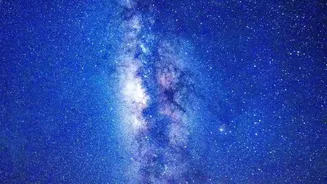
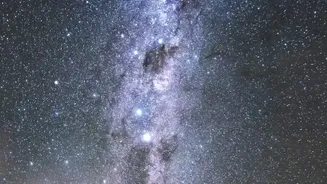
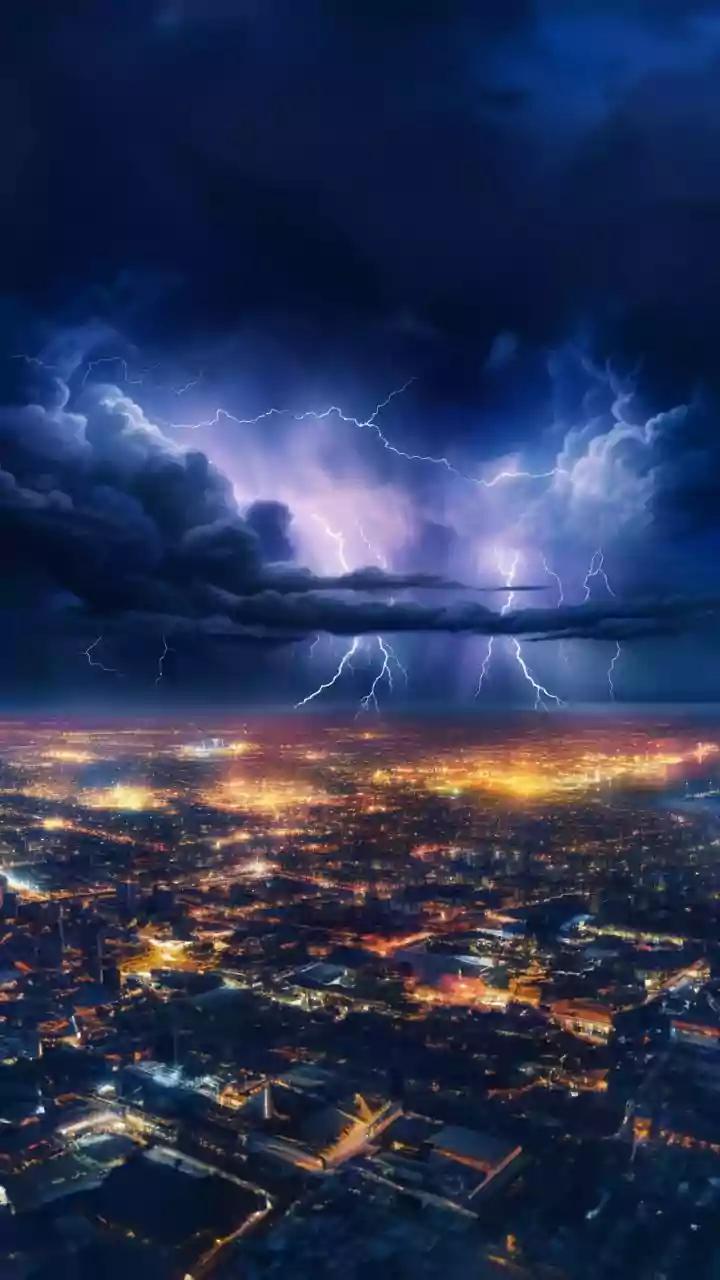
darkness of the night sky. These aren't just patches of unlit land; they are regions where communities, governments, and scientific bodies collaborate to use artificial light responsibly. This often involves using fully shielded light fixtures that point downwards, adopting warm-coloured bulbs instead of harsh blue-white LEDs, and sometimes even implementing lighting curfews. The result is a protected nocturnal environment where the Milky Way can be seen in its full glory, a sight that has become a rarity for a vast majority of the world's population due to urban sky-glow.
The Perfect Cosmic Canvas
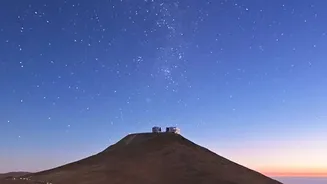
Hanle, nestled in the remote Changthang plateau of eastern Ladakh, was a natural choice for India's first-ever Dark Sky Reserve, officially established in 2022. Its advantages are manifold. Located at a breathtaking altitude of 4,500 metres (nearly 15,000 feet), the atmosphere here is thin, cold, and incredibly dry. This means there's very little atmospheric water vapour or dust to absorb or scatter the faint light coming from distant stars and galaxies, ensuring crystal-clear views. Furthermore, its remote location within the Changthang Wildlife Sanctuary means it has an extremely low population density and is far from any major urban centres. As a result, it boasts what astronomers call a Bortle Class 1 sky—the darkest classification possible, where the Milky Way is so bright it can cast a faint shadow.
The Scientific Heart of Hanle
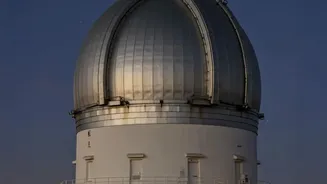
The establishment of the Dark Sky Reserve is intrinsically linked to the presence of world-class scientific infrastructure. Hanle is home to the Indian Astronomical Observatory (IAO), operated by the Indian Institute of Astrophysics. For over two decades, this observatory, one of the highest in the world, has been India's eye on the universe, housing powerful instruments like the Himalayan Chandra Telescope. The Dark Sky Reserve was created primarily to protect this significant scientific investment from the creeping threat of light pollution. By ensuring the skies remain pristine, the reserve guarantees that Indian astronomers can continue to conduct cutting-edge research, from studying distant galaxies to tracking near-earth asteroids, without interference.
A Boon for the Local Community
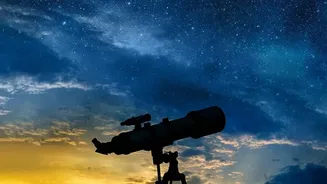
While the reserve's primary purpose is scientific, its most transformative impact may be on the local community. The initiative is a pioneering model of sustainable development, blending conservation with economic empowerment. A key component is the promotion of astro-tourism. Local villagers have been trained as 'Astronomy Ambassadors,' equipped with telescopes and the knowledge to guide visitors through the celestial wonders above. This has opened up a new, sustainable source of livelihood through homestays and guided stargazing tours, allowing the community to benefit directly from the preservation of their natural environment. Instead of development that brings light pollution, Hanle is embracing a form of tourism that thrives on darkness, creating a powerful incentive for conservation.
How the Darkness Is Protected
Protecting a 22-kilometre radius around Hanle requires a conscious, collective effort. It's not just about turning off lights, but about managing them intelligently. Through a memorandum of understanding between the local administration and the Indian Institute of Astrophysics, a comprehensive light management plan has been put in place. This includes distributing thick curtains and warm-toned light bulbs to households to prevent light from spilling outwards and upwards. There are also regulations on the types of outdoor lighting permitted and guidelines for vehicle headlights passing through the area at night. These seemingly small changes are crucial for maintaining the delicate balance that makes Hanle a sanctuary for the stars, ensuring it remains an invaluable resource for both science and society.