



The Science of a Crystal-Clear Sky
The magic of the post-monsoon season is rooted in simple atmospheric science. The months-long monsoon, which typically lasts from June to September, acts as a great natural purifier. The persistent, heavy rainfall washes away dust, pollutants, and aerosols
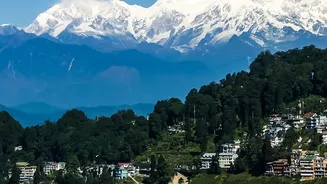
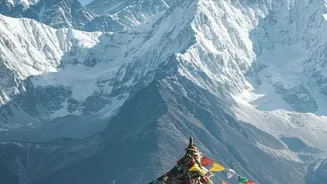
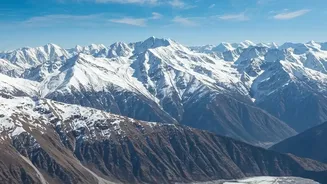
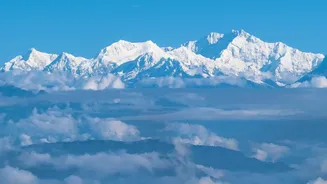
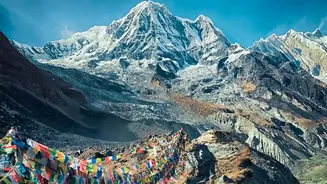
that accumulate in the atmosphere. As the monsoon system withdraws, it leaves behind a less humid, stable, and remarkably clear air mass. This effect is compounded by cooler temperatures, which mean less haze and atmospheric disturbance. The result is exceptionally high visibility, where distant, snow-capped giants like Nanda Devi, Trishul, and the Chaukhamba massif appear astonishingly close and sharply defined against a brilliant blue sky.
The Perfect Viewing Window: October and November
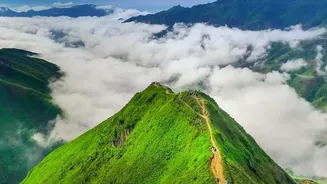
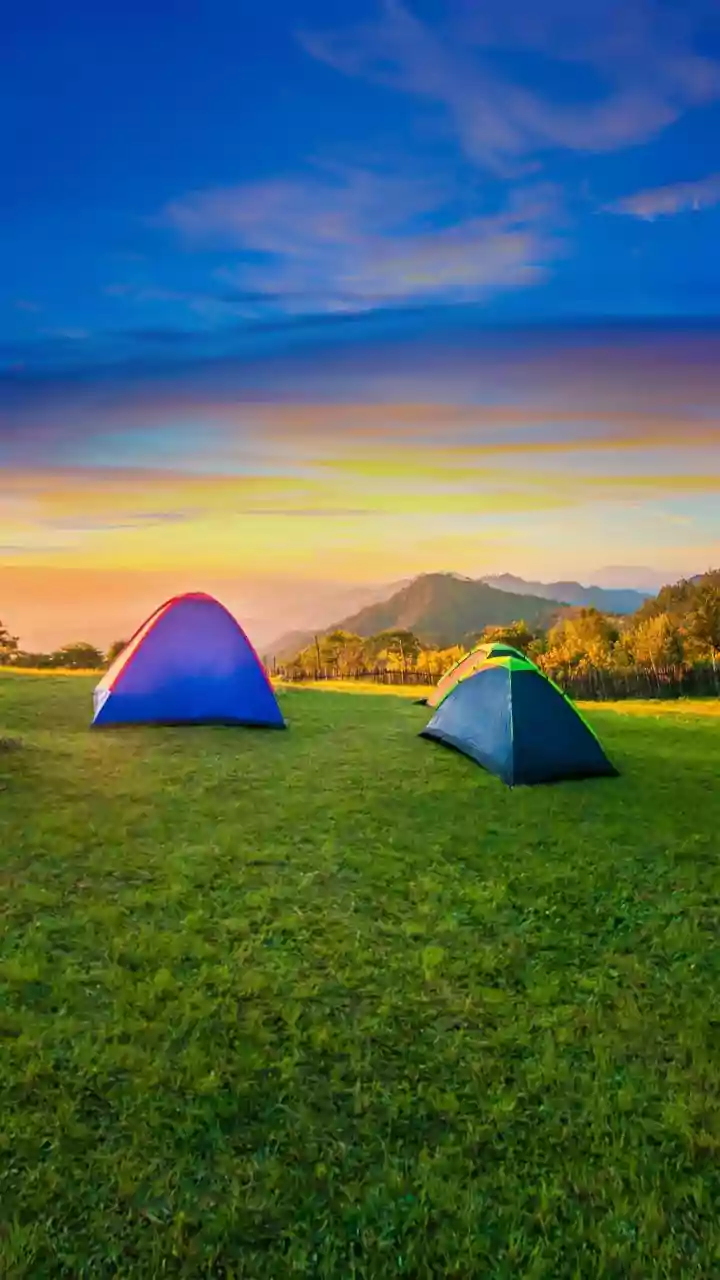
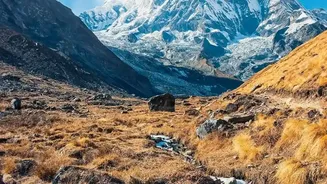
The prime time for this Himalayan spectacle is a relatively brief period, mainly spanning October and November. This two-month window is considered by many trekkers and photographers to be the most rewarding season. By early October, the monsoon has typically fully retreated, ensuring drier trails and stable weather conditions. The landscape, still lush and green from the rains, begins to transition into beautiful autumn shades of gold and red. While September can also offer good views, the tail end of the monsoon can still bring rain. By December, the clear weather continues but temperatures drop significantly, and winter snow begins to cover higher trails, making access more difficult.
Where to Witness the Majesty
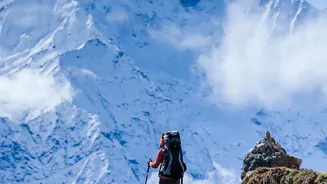
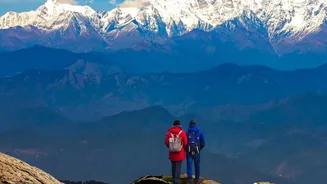
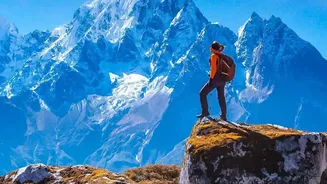
Several regions across the Indian Himalayas become prime vantage points during this season. In Uttarakhand, destinations like Auli, Chopta, and Mussoorie offer breathtaking panoramas. Treks such as the one to Chandrashila summit provide unobstructed views of major peaks. The Kuari Pass and Har Ki Dun Valley are other popular treks known for their scenic, clear post-monsoon vistas. In Himachal Pradesh, spots near Dharamshala, such as the Triund trek, give clear views of the Dhauladhar range. Prashar Lake, near Mandi, is another gem offering 180-degree views of the Dhauladhar, Pir Panjal, and Kinnaur ranges. For those in the east, Sikkim offers incredible views of the Kanchenjunga massif, especially on treks like the one to Goechala.
More Than Just a Perfect Picture
While the promise of pristine mountain views is the main draw, the post-monsoon season offers other advantages for travelers. The weather is generally pleasant, with warm, sunny days perfect for hiking and sightseeing, followed by crisp, cool nights. The risk of monsoon-related travel disruptions like landslides and roadblocks is significantly lower. The trails, having been washed by the rain, are clean, and rivers and streams are often at manageable levels for crossing. It is also a festive time in many parts of the Himalayas, allowing visitors to experience local culture alongside the natural beauty. The combination of comfortable weather, safe conditions, and stunning scenery makes it an ideal time for both seasoned trekkers and casual tourists.
Essential Tips for Your Trip
To make the most of this fleeting season, some planning is essential. Because it's a popular time, it's wise to book accommodation and transport well in advance, especially for well-known destinations. When packing, think in layers. While days can be warm, temperatures can drop sharply after sunset and at higher altitudes. A mix of light clothes, warm fleeces, and a windproof jacket is recommended. Even with the stable weather, mountain conditions can be unpredictable, so always check the local forecast. Finally, remember to start your days early. The clearest views are often found in the crisp morning air before any daytime clouds or haze can build up.