




An Awakening to Plastic's True Cost
The primary driver behind this shift is a growing environmental consciousness. Urban consumers are increasingly aware of the damage caused by single-use plastics. Festive decorations, often made from non-biodegradable materials like plastic and thermocol,
contribute significantly to household waste. These items are typically used for a few days before ending up in landfills, where they can persist for hundreds of years and break down into harmful microplastics. A 2024 survey highlighted that nearly 80% of Indian consumers are deeply concerned about sustainability. This concern is translating into action, with households actively seeking alternatives that don't harm the planet. The choice to abandon cheap plastic decor is a conscious step towards reducing one's environmental footprint, especially when natural and biodegradable options are readily available.
The Allure of Authenticity and Aesthetics
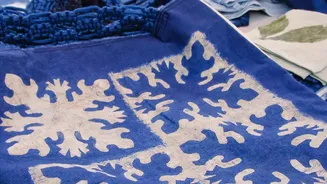
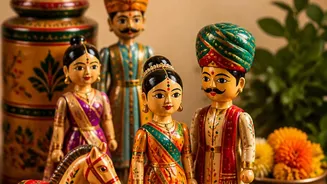
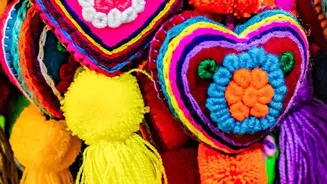
Beyond environmental concerns, there is a powerful aesthetic pull towards handcrafted goods. Fabric accessories, unlike their plastic counterparts, offer a superior look and feel. They possess a natural, sophisticated texture that absorbs light rather than creating the cheap-looking glare associated with plastic. Consumers are moving away from mass-produced uniformity and are instead seeking pieces that tell a story and reflect personal values and cultural heritage. Handcrafted items made from materials like cotton, jute, and reclaimed wood bring warmth, character, and a sense of authenticity into the home. This trend is part of a larger movement where homeowners view their living spaces as extensions of their identity, preferring unique items that showcase individuality over factory-made clones.
Supporting Local Artisans and Craftsmanship
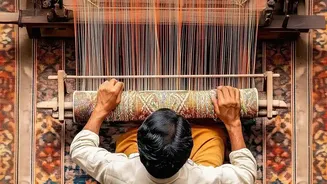
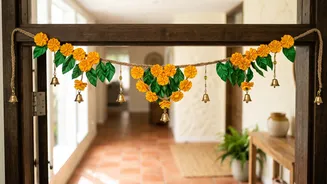
The shift towards fabric decor is also intertwined with a desire to support local economies and preserve traditional crafts. India has a rich heritage of artisanal skills, and the handicrafts market is experiencing a significant resurgence, with a projected growth rate of over 6% annually. By choosing handmade torans, wall hangings, and other fabric accessories, consumers are not just buying a product; they are investing in the livelihood of artisans and helping to keep ancient techniques alive. The rise of e-commerce platforms has made it easier than ever for urban buyers to connect directly with craftspeople from across the country, making these unique products more accessible. This connection adds an ethical and emotional dimension to the purchase, transforming it from a simple transaction into a meaningful act of support.
An Investment in Durability and Tradition
While handcrafted fabric accessories may have a higher initial cost, they are increasingly seen as a long term investment rather than an expense. Unlike flimsy plastic garlands that often break and must be discarded after one use, fabric decorations are built to last. They can be carefully stored and reused for many years, becoming cherished parts of a family's festive traditions. This reusability not only proves more economical over time but also aligns with a mindset of consuming less and valuing quality over quantity. As these beautiful items are brought out year after year, they accumulate memories and stories, adding a layer of personal history to celebrations that disposable decor simply cannot offer. This focus on durability and reusability marks a significant departure from the throwaway culture previously associated with festive preparations.