


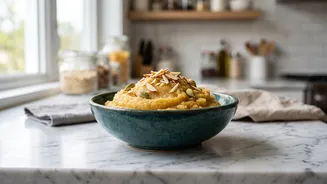

A Golden Bowl of Tradition
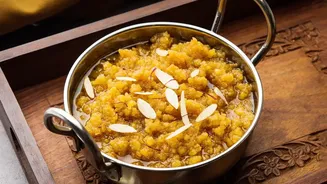
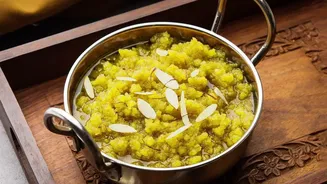
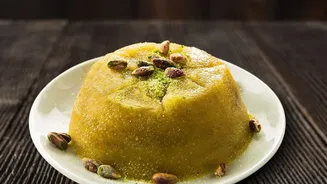
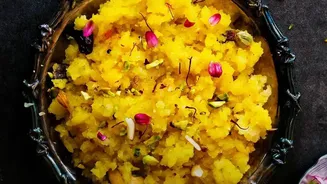
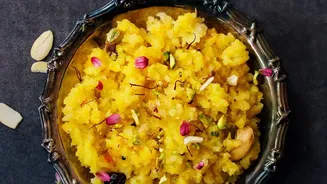
Besan Sheera, a semi-thick, sweet beverage, is an age-old remedy, particularly popular in North Indian households. It's made by roasting gram flour (besan) in a generous amount of ghee until it releases a nutty aroma. Warm milk, a sweetener like jaggery
or sugar, and warming spices such as turmeric, cardamom, and sometimes black pepper are then added. Traditionally, it’s consumed piping hot, often before bed. Its appearance post-Diwali is no coincidence. After days of rich food, disrupted sleep schedules, and the general whirlwind of festivities, the body craves something nourishing and simple. This warm concoction is seen as the perfect antidote to the changing season and the 'Diwali flu'—that feeling of being run-down and susceptible to a cold or cough.
The Science of Soothing
There's a reason Besan Sheera feels so good when you have a scratchy throat or a nagging cough. The warm, semi-liquid consistency is inherently comforting. Ghee helps to coat and soothe an irritated throat, providing temporary relief from discomfort. Turmeric contains curcumin, a compound known for its anti-inflammatory properties, while black pepper can help with relief from a scratchy throat. Besan itself is a good source of nutrients, including protein and Vitamin B1, which can help combat fatigue by aiding the body in converting food to energy. Psychologically, the connection is powerful. For many, this food is steeped in nostalgia and care, reminiscent of childhood when a parent or grandparent would prepare it. This feeling of being looked after can itself be a powerful balm, reducing stress and promoting a sense of well-being.
Comfort Food, Not a Cure
Herein lies the crucial distinction. Besan Sheera is a 'soothing' food, not a medical treatment. While its ingredients can provide symptomatic relief and immense psychological comfort, it does not cure the underlying infection causing your cold or flu. A food can make you feel better by easing symptoms—like a warm liquid soothing a sore throat—but it cannot eliminate a virus or bacteria. Foods we associate with comfort can trigger feelings of safety and emotional relief, which is valuable. However, relying on them as a replacement for medicine can be problematic. A temporary fix is not a cure, and it's important to recognise when your body needs more than just comfort.
When to See a Doctor
Enjoying traditional remedies like Besan Sheera is perfectly fine for mild symptoms, but it's vital to know when to seek professional medical help. Self-treating with comfort foods can delay proper diagnosis and treatment, potentially leading to complications like pneumonia, bronchitis, or sinus infections. According to health experts, you should consult a doctor if you experience persistent symptoms. Key warning signs include a fever that lasts more than a couple of days, difficulty breathing or chest pain, a severe or persistent cough, and extreme fatigue or confusion. This is especially critical for high-risk groups, such as young children, older adults, and individuals with underlying health conditions. A doctor can accurately diagnose whether you have a common cold or a more serious case of influenza and prescribe the appropriate medical treatment, such as antiviral drugs if necessary.