





Find the Right Pot and Place
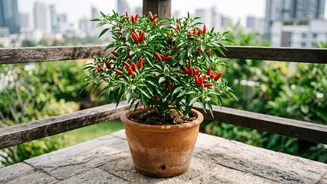
Your journey begins with selecting the right home for your chilli plant. A pot that is between 10 to 12 inches in diameter provides ample space for roots to grow strong. Terracotta pots are excellent as their porous nature allows soil to breathe, but
sturdy plastic pots work just as well, provided they have one crucial feature: drainage holes. Chilli plants detest 'wet feet', so ensuring excess water can escape is non-negotiable to prevent root rot. Once you have your pot, find the sunniest spot on your balcony. Thai chillies are sun-worshippers and require at least five to six hours of direct sunlight each day to thrive and produce a bountiful harvest. A south or west-facing balcony is often the ideal location.
Create the Perfect Soil Mix
You can't just use soil from a nearby park; in a pot, it compacts and suffocates the plant's roots. For chillies, the goal is a light, airy, and well-draining medium. A fantastic, easy-to-make potting mix for Indian conditions consists of three main ingredients. Combine equal parts of regular garden soil, compost or vermicompost (which provides essential nutrients), and cocopeat. The cocopeat helps retain moisture without making the soil heavy, while compost provides a slow release of food. You can also add a handful of sand or perlite to further improve drainage, ensuring your plant's roots get the oxygen they need to flourish.
Planting Your Chilli Sapling
While you can grow chillies from seeds extracted from dried red chillies, beginners will find it much easier to start with a young sapling from a local nursery. This gives you a head start with an already established plant. To transplant it, gently remove the sapling from its nursery bag, being careful not to disturb the root ball too much. Place it in the centre of your new pot and fill the surrounding space with your prepared soil mix until it's level with the base of the plant's stem. Water it well immediately after planting to help it settle into its new home. This initial watering helps eliminate air pockets in the soil and reduces transplant shock.
Sun, Water, and Food
Consistent care is the key to a happy plant. Your sunny spot will provide the light, but you need to manage water and nutrients. Water the plant whenever the top inch of soil feels dry to the touch. On a hot, sunny balcony, this might mean watering daily, especially during peak summer. Always water the soil directly and avoid wetting the leaves, as this can prevent fungal diseases. When it comes to food, start feeding your plant a few weeks after transplanting. Use a balanced liquid fertiliser or compost tea every two weeks. Once you see flowers starting to form, switch to a fertiliser that is higher in potassium, like a tomato feed, to encourage the plant to produce more fruit instead of just leaves.
Dealing with Common Pests
Balcony gardens are not immune to pests. The most common culprits you might encounter on your chilli plant are aphids, whiteflies, and mites. These tiny insects suck the sap from the leaves, causing them to curl and stunting the plant's growth. The best first line of defence in an organic garden is a simple neem oil spray. Mix a few drops of neem oil with some liquid soap and water, and spray it on the plants, making sure to cover the undersides of the leaves where pests often hide. Regular inspection can help you catch any infestation early before it becomes a major problem. Most issues can be managed easily without resorting to harsh chemicals.
The Joy of a Fiery Harvest
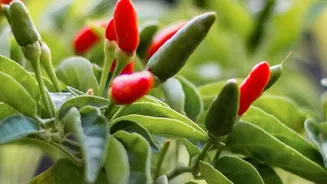
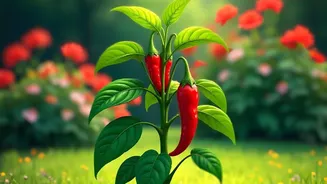
After a few months of care, you'll see small green chillies beginning to form. This is the moment you've been waiting for. You can harvest them while they are green for a sharper, fresher flavour, or wait for them to turn a vibrant red for a sweeter, more intense heat. Use a pair of scissors or simply pinch the stem to harvest the chillies. Don't be shy about picking them; regular harvesting actually signals the plant to produce more flowers and, consequently, more fruit. There is nothing quite like the satisfaction of cooking a meal seasoned with the spicy kick of a chilli you grew yourself, just steps away from your kitchen.