





Why Your Cooking Oil Is More Expensive
The price hike you're seeing on shelves isn't happening in isolation. It's a mix of global and local factors. India imports nearly two-thirds of its edible oil, making it vulnerable to international market shifts. Recently, major producers like Indonesia
and Malaysia have been diverting more palm oil to create biodiesel, reducing the amount available for export as food. Add to that unpredictable weather affecting oilseed crops, disruptions in global shipping, and changes in import taxes, and the result is higher prices for everything from sunflower to soybean oil. Prices for some oils have climbed by as much as 18% over the past year, a trend that directly impacts your daily cooking costs.
Choose Your Oil and Your Cookware Wisely
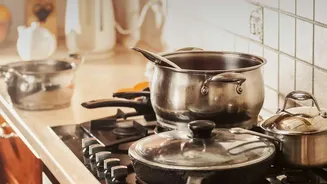
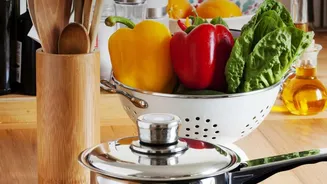
The first step to saving is smart shopping. Not all oils are priced equally. Domestically produced oils like mustard and soybean are often more budget-friendly than imported varieties. Consider buying larger packs, which usually have a lower per-litre cost, and always measure your oil with a spoon instead of pouring directly from the bottle. Your cookware also plays a huge role. Switching to a good quality non-stick pan can significantly reduce the amount of oil needed, as food is less likely to stick and burn. For shallow-frying, a wider, flat-bottomed pan often requires less oil than a deep kadai because it distributes heat more evenly.
Master the Art of the Tadka
The daily tadka, or tempering, is a cornerstone of Indian cuisine, but it can also be a source of oil wastage. Many households use a large ladle out of habit, often filling it with more oil than necessary. Instead, use a small tadka pan and just enough oil to make the spices crackle and release their aroma. Another powerful technique is to dry roast whole spices like cumin, mustard, and coriander seeds in a hot pan for about 30 seconds before adding any oil. This process, known as blooming, releases their essential oils and intense fragrance, meaning you get maximum flavour with minimum fat.
Sauté Smarter, Not Harder
A common mistake when a masala starts sticking to the pan is to add another splash of oil. A better and healthier trick is to use a splash of water or vegetable broth instead. This technique, called deglazing, lifts the flavourful browned bits from the bottom of the pan and allows the ingredients to cook without added fat. For vegetables that tend to soak up a lot of oil, like brinjal, bhindi, or potatoes, try par-boiling or steaming them first. This softens them, reducing their cooking time in the pan and, consequently, the amount of oil they absorb.
Embrace Low-Oil Cooking Methods
Deep-frying is the most oil-intensive cooking method. To cut costs, consider alternatives that deliver a similar crispy texture. Air fryers have become a popular tool for making everything from samosas to koftas with just a light spray of oil. Baking is another excellent option; vegetables and cutlets can be roasted in an oven until golden brown. Even simple changes, like steaming dhokla or momos instead of frying them, can make a difference. These methods are not only lighter on your wallet but also better for your health, offering a win-win solution for the modern Indian kitchen.