

A Growing Distrust in Packaged Delights
For years, beautifully decorated boxes of sweets and savoury snacks have been a convenient festive staple. However, a growing awareness around health has cast a shadow on these treats. Many commercially produced snacks are loaded with preservatives, artificial
colours, and alarming amounts of sugar to extend shelf life and enhance appearance. During the festive rush, reports of adulteration often surface, with ingredients like milk, khoya, and ghee being common targets. Some manufacturers may use synthetic materials, detergents, or unsafe chemical dyes to cut costs, which can pose significant health risks, from gut health issues to more severe long-term problems. This has led health-conscious consumers to question what exactly is in the food they are offering their loved ones.
The Return to Traditional Kitchens
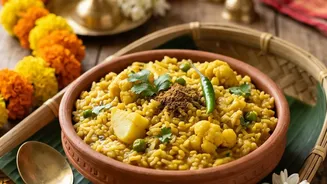
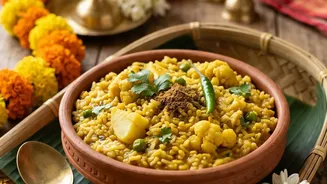
The move towards homemade snacks is more than just a health trend; it's a heartfelt return to tradition. For generations, preparing festive foods at home was an integral part of the celebration itself. The act of making laddoos or murukkus together is a way of bonding, passing down recipes, and creating memories. These homemade delicacies, free from synthetic additives, carry an emotional weight and authenticity that a store-bought box cannot replicate. Families are rediscovering the joy in the process — the aroma filling the house, the quality control over ingredients, and the pride in serving food made with love. It connects the younger generation to their cultural heritage in a tangible, delicious way.
Health-Conscious Consumers Drive the Change
The shift is being led by a new generation of Indians who are more informed about nutrition than ever before. Thanks to greater access to information, people are actively reading labels, understanding the impact of their diet, and prioritising long-term wellness. This demographic is particularly concerned about the effects of processed foods on their family's health. By cooking at home, they can control the quality and quantity of every single ingredient. This means using healthier fats like ghee instead of hydrogenated oils, swapping refined sugar for natural sweeteners like jaggery or dates, and ensuring the final product is fresh and free from potentially harmful chemicals.
The Power of Customisation and Control
One of the most significant advantages of homemade snacks is the ability to tailor them to specific dietary needs. With a rise in lifestyle-related health conditions and food sensitivities, many families have members with unique requirements. Cooking at home allows for easy customisation, whether it's making gluten-free chaklis, nut-free barfis, or low-sugar versions of classic sweets. This level of control ensures that everyone can indulge in the festive spirit without compromising their health. It removes the guesswork and anxiety associated with consuming mass-produced foods whose ingredients and preparation methods are often unclear. The taste is also a major factor; foods without artificial preservatives simply have a more natural and authentic flavour.
Modern Solutions for a Timeless Practice
While the idea of making everything from scratch seems daunting in today's fast-paced world, many are finding modern ways to embrace this tradition. The key is not to replicate the elaborate, multi-day cooking marathons of the past but to adapt. Families are opting for simpler, quicker recipes that deliver on taste and health without demanding hours in the kitchen. Modern kitchen appliances like air fryers, food processors, and microwave ovens are also making it easier than ever to prepare traditional snacks with less oil and effort. This blend of traditional recipes and modern convenience is making the homemade route more accessible and sustainable for busy households.