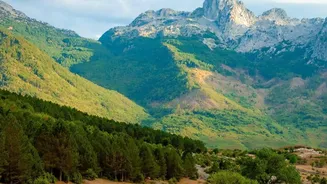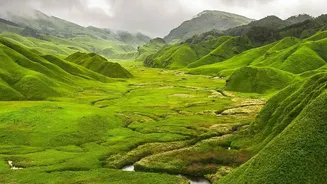


Nestled in the Himalayas, Sikkim offers a breathtaking canvas of snowy peaks, verdant valleys, and serene monasteries. This guide explores why this pristine state is a perfect match for solo adventurers, romantic couples, and keen photographers alike.
A Sanctuary for the Solo Explorer
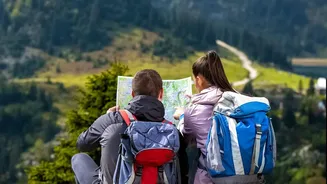
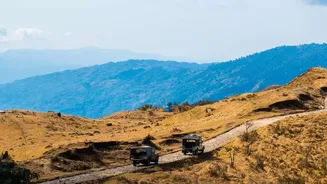
Sikkim is widely regarded as one of India's safest states, making it an ideal destination for those travelling alone. The local culture is respectful and hospitable, and the well-organised tourism infrastructure provides a sense of security. Gangtok, the capital, serves as a perfect base with its pedestrian-friendly MG Marg, abundant cafes, and reliable transport options. Solo travellers can join shared jeeps for excursions to popular spots like Tsomgo Lake, which reduces costs and offers a chance to meet fellow travellers. For introspection and quiet contemplation, the tranquil town of Ravangla, with its stunning Buddha Park, or the historic trails around Yuksom offer peaceful solitude amidst nature. While most of Sikkim is accessible, solo travellers should note that permits for certain protected areas in North Sikkim may require travelling as part of a small group, which can be easily arranged through local operators.
Idyllic Escapes for Romantic Couples
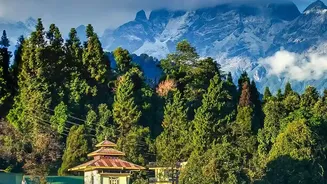
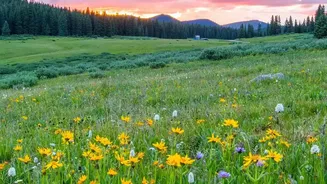
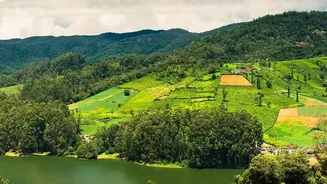
For couples seeking a romantic getaway, Sikkim's landscape provides a magical backdrop. Pelling, in West Sikkim, is renowned for offering intimate and spectacular views of the Kanchenjunga range, especially at sunrise. Many hotels here cater specifically to couples, with rooms that open up to panoramic mountain vistas. The serene town of Ravangla offers a quieter, more relaxed pace, perfect for couples wanting to unwind. Strolling through the Temi Tea Garden, Sikkim's only tea estate, or visiting the majestic Buddha Park are popular romantic activities. For a truly unique experience, the journey to North Sikkim's Lachung village provides a cosy retreat, especially in winter when the landscape is blanketed in snow. From here, couples can explore the ethereal beauty of Yumthang Valley, often called the 'Valley of Flowers'.
A Paradise for Nature Photographers
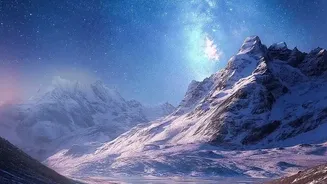
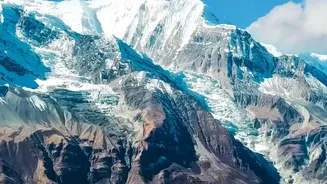
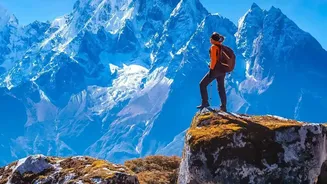
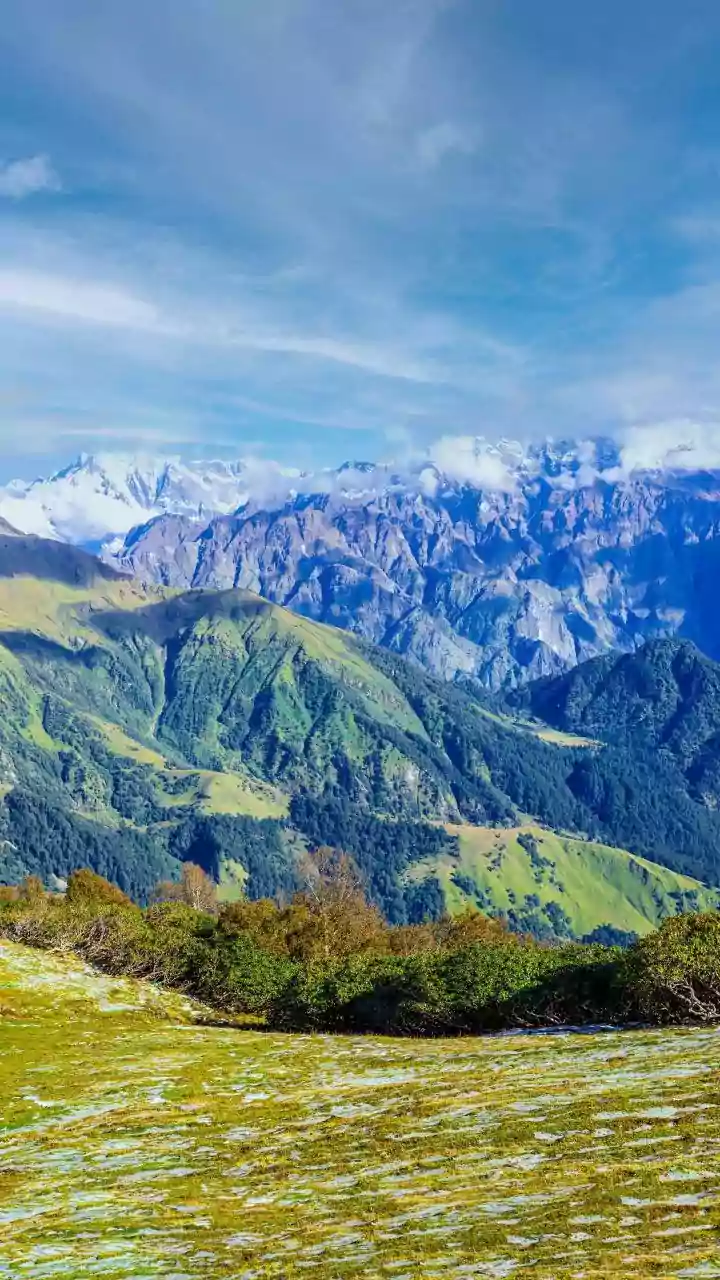
Sikkim is a photographer's dream, offering a dramatic interplay of light, landscape, and culture. The sheer diversity of scenery, from subtropical valleys to alpine tundra, provides endless compositional opportunities. The journey to North Sikkim is particularly rewarding, with highlights like the breathtakingly blue Gurudongmar Lake, one of the world's highest lakes, and the snow-covered landscapes of Zero Point. In spring, Yumthang Valley bursts into a riot of colour with blooming rhododendrons, creating a vibrant canvas against the snow-capped peaks. For capturing the iconic Kanchenjunga, the viewpoints in Pelling and the winding 'zig-zag road' near Zuluk in East Sikkim offer some of the most dramatic perspectives. Furthermore, Khangchendzonga National Park, a UNESCO World Heritage Site, presents opportunities to photograph rare Himalayan wildlife and pristine glacial environments.
Essential Travel and Permit Information
Planning a trip to Sikkim requires some awareness of its permit system, which is in place to protect its sensitive border regions and fragile ecosystems. Indian tourists can visit major towns like Gangtok, Pelling, Ravangla, and Namchi without any permits. However, for visiting protected areas like Tsomgo Lake, Nathu La, and destinations in North Sikkim (Lachen, Lachung, Yumthang Valley, Gurudongmar Lake), a Protected Area Permit (PAP) is mandatory. These permits are typically arranged by registered Sikkim tour operators along with your vehicle booking. It is advisable to carry multiple copies of a valid photo ID (like a Voter ID or Driving Licence) and passport-sized photographs. Foreign nationals require a Restricted Area Permit (RAP) simply to enter the state, and additional PAPs for protected zones, often requiring them to travel in a group of two or more. Certain areas like Nathula Pass and Gurudongmar Lake are generally off-limits to foreign tourists.