





Why Monsoon Demands a Cleaning Rethink
During the monsoon, high humidity and poor ventilation create the perfect breeding ground for mould, mildew, and bacteria. These aren't just an unsightly nuisance; they release microscopic spores into the air that can trigger allergies, asthma attacks,
and other respiratory problems. When we use conventional cleaning products, we introduce another layer of risk. Harsh chemicals like bleach and ammonia release Volatile Organic Compounds (VOCs), which can linger in the damp, stagnant air. This indoor air pollution can lead to eye and throat irritation, headaches, and can be especially harmful for children and the elderly. In a poorly ventilated monsoon home, you're essentially trapping these chemical fumes along with the mould spores, creating a cocktail of irritants that can compromise your family's health.
Tackling Mould and Mildew Naturally
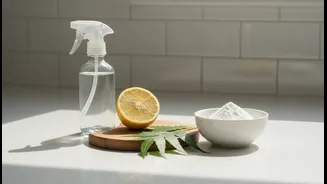
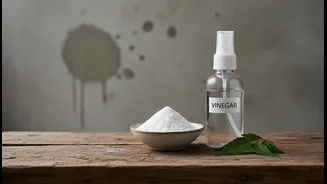
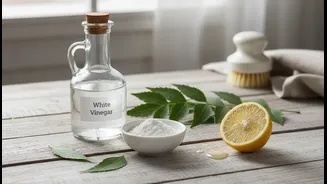
Mould is the number one enemy during the rains, thriving on damp walls, in cupboards, and on leather goods. Instead of reaching for chemical-laden sprays, your kitchen holds the key. Distilled white vinegar is a powerhouse, capable of killing a majority of mould species. Simply spray undiluted vinegar directly onto the affected surface, let it sit for an hour, and then scrub it clean. For a less pungent option, a solution of tea tree oil and water (one teaspoon of oil per cup of water) is a potent natural fungicide. Baking soda is another versatile tool; a paste of baking soda and water can be used to scrub surfaces, while open bowls of it can help absorb ambient moisture and odours. For musty clothes, adding half a cup of vinegar or lemon juice to the laundry rinse cycle can help kill spores and freshen fabrics.
Keeping Floors Clean and Non-Sticky
Constant foot traffic with damp shoes can leave floors feeling perpetually sticky and dirty. Many commercial floor cleaners leave behind a chemical residue that can feel tacky in humid conditions. A simple and effective low-chemical solution is to add a cup of white vinegar to your mopping water. The vinegar helps cut through grime without leaving a sticky film and also acts as a natural disinfectant. For extra pest-repelling power, adding a small amount of rock salt to the mopping water is a traditional Indian method to deter insects. For homes with tile or stone floors, this method is particularly effective and dries quickly, preventing the dampness that encourages mildew growth in the grout. Always ensure floors are wiped as dry as possible to prevent slips and moisture buildup.
Warding Off Pests Without Harsh Toxins
The monsoon drives pests like ants, cockroaches, and flies indoors in search of shelter and food. Instead of using chemical insecticides that can contaminate your living spaces, turn to natural deterrents. For ants, a line of cinnamon powder at entry points can stop them in their tracks, as the strong smell disrupts their scent trails. Wiping counters with a solution of equal parts vinegar and water also erases their paths. To repel cockroaches, place a handful of crushed bay leaves or a few balls of camphor in dark cupboards and near drains. The strong scents are unbearable for them. For flies, planting herbs like basil and mint near windows can act as a natural barrier. A few cloves pushed into a lemon half also works as a classic, effective fly repellent on kitchen counters.
Freshening Air and Fabrics Naturally
That signature musty monsoon smell is a sign of trapped moisture and microbial growth. To combat it, improve ventilation whenever possible by opening windows during dry spells to encourage cross-ventilation. You can also make your own natural moisture absorbers. Placing bowls of rock salt or charcoal briquettes in damp corners, cupboards, and bathrooms can help draw excess moisture from the air. To protect clothes in wardrobes, wrap dried neem leaves in small cloth pouches and place them between garments; their antifungal properties prevent both mildew and insects. For a pleasant fragrance that also purifies the air, use an essential oil diffuser with oils like eucalyptus, lavender, or tea tree, which have natural antibacterial properties.