



Embrace Strategic Furniture Placement
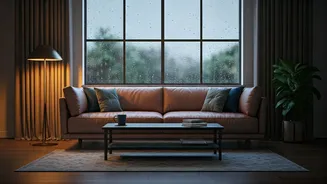
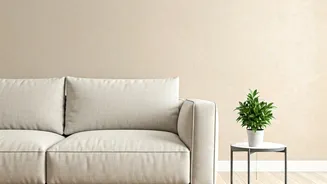
One of the most effective, no-cost ways to combat moisture is to improve air circulation. When furniture is pushed flush against walls, it creates stagnant air pockets where moisture can condense and mould can grow. The solution is simple: pull your furniture,
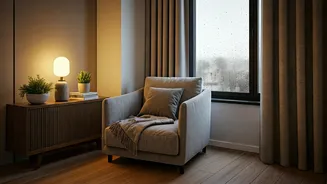
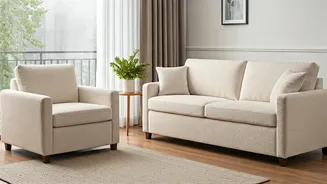
including sofas, beds, and wardrobes, a few inches away from the walls. This small gap allows air to flow freely, preventing moisture buildup. Opt for furniture with raised legs, like beds on frames instead of platform bases and sofas with visible feet. This elevates pieces off the floor, allowing air to circulate underneath, which is especially important for preventing dampness from seeping into mattresses and upholstery.
Choose Breathable, Natural Fabrics
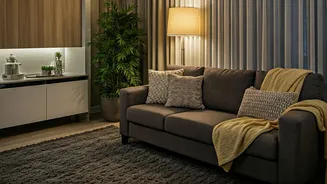
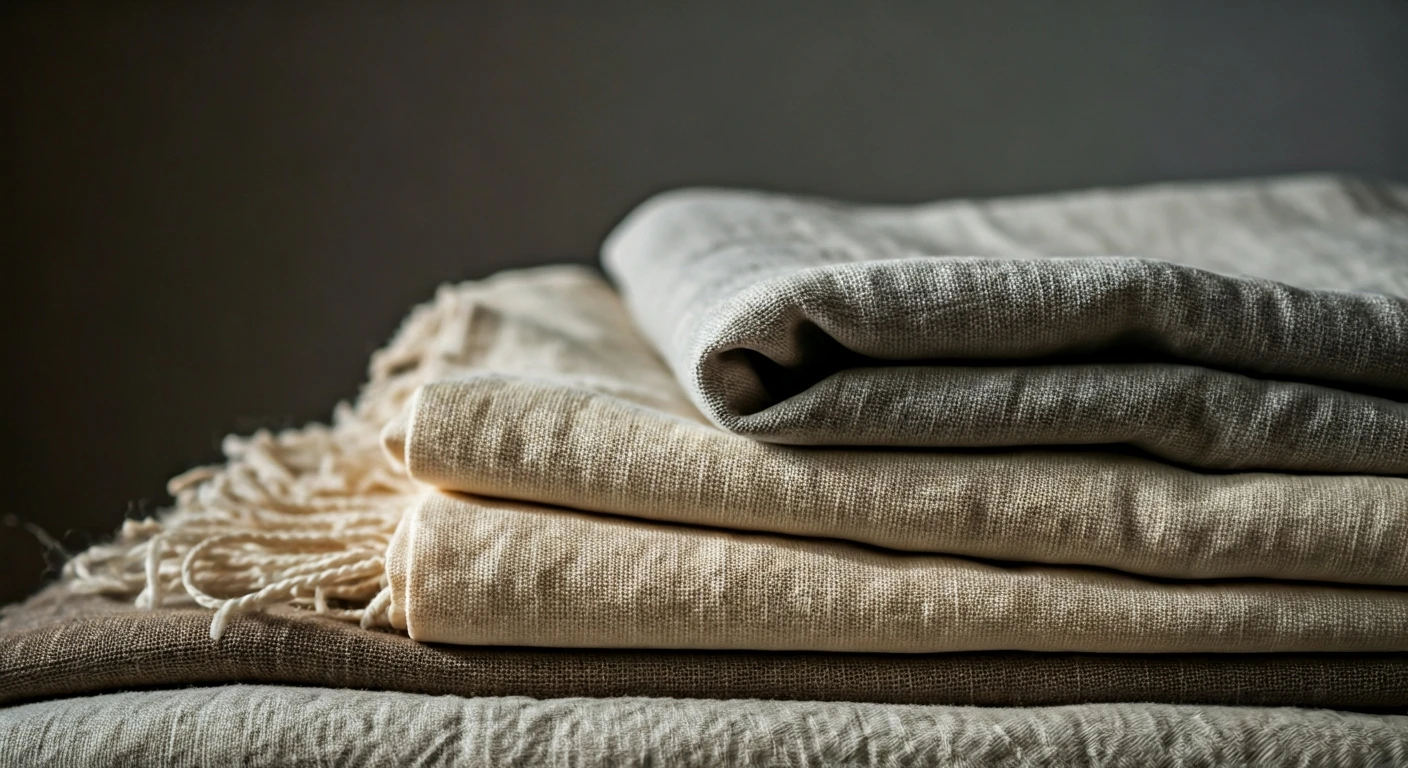
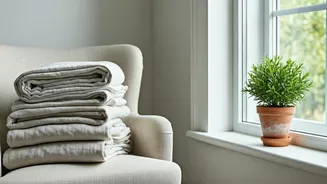
The fabrics you choose for your furniture, curtains, and bedding have a huge impact on indoor humidity. Heavy, synthetic materials like polyester and thick cotton tend to trap heat and moisture, creating a sticky, uncomfortable environment. Instead, opt for lightweight, breathable natural fibres. Linen is an excellent choice for its exceptional airflow and quick-drying properties. Cotton voile, muslin, and lightweight cottons are also fantastic for curtains and cushion covers as they don't block ventilation. For upholstery, if you prefer natural fibres, look for linen or cotton blends that have been treated to resist mildew. Otherwise, synthetic options like solution-dyed acrylics, which are designed for outdoor use, are highly resistant to moisture and mould.
Decorate with Dehumidifying Plants
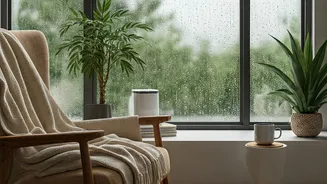
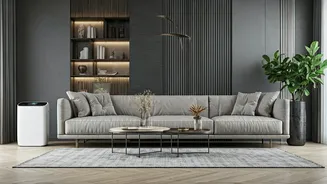
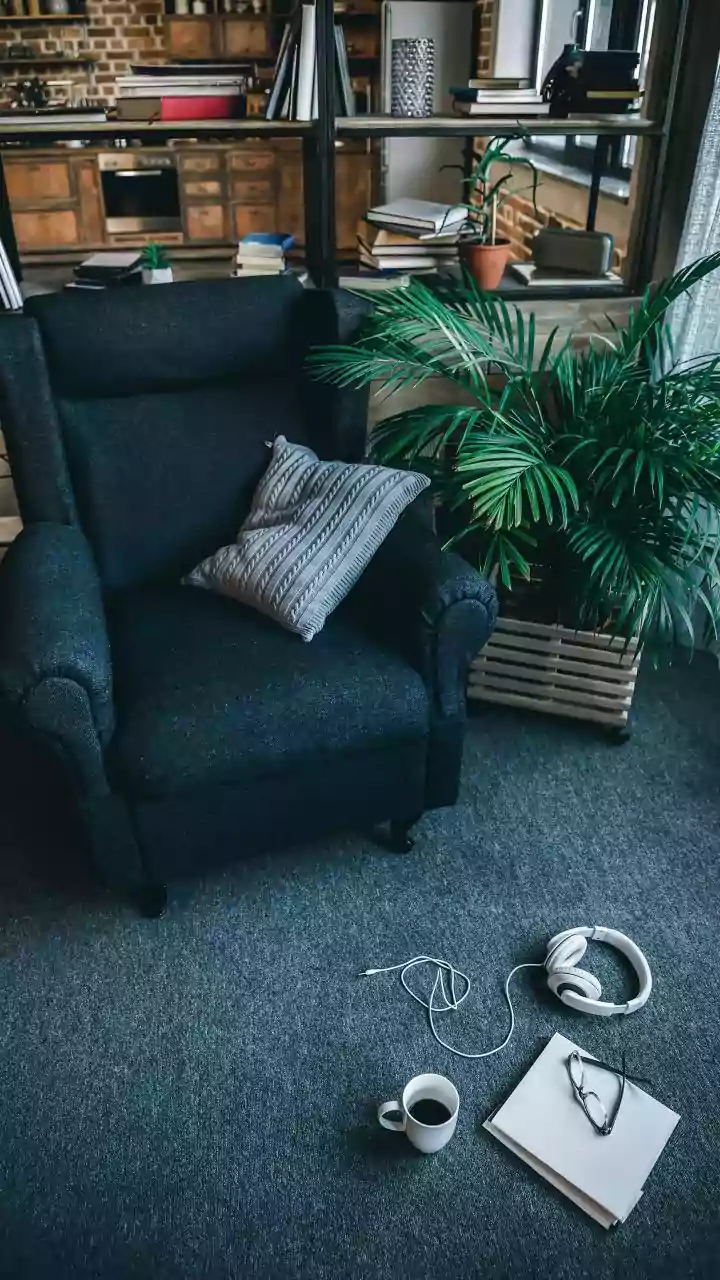
Plants are a beautiful way to add life to a small space, and some varieties even pull double duty by helping to reduce indoor humidity. These plants absorb moisture from the air through their leaves, acting as natural, living dehumidifiers. The Peace Lily is a popular choice, known for its air-purifying abilities and its tolerance for low-light conditions. Snake Plants are another excellent, low-maintenance option that absorb moisture, particularly at night, making them ideal for bedrooms. Other effective choices include English Ivy, which thrives in humid spots like bathrooms and kitchens, as well as Spider Plants and Boston Ferns, all of which help to absorb excess moisture while beautifying your home.
Opt for Woven or Minimalist Furniture
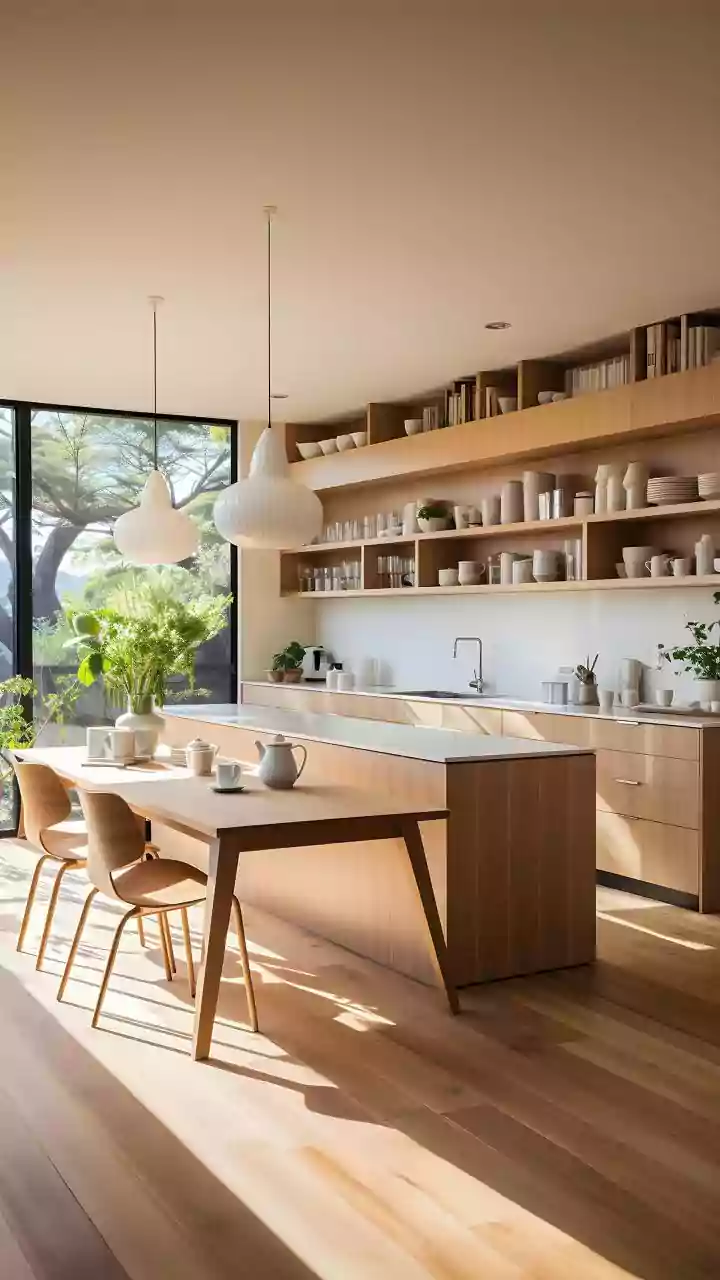
Bulky, solid furniture can obstruct airflow and make a small room feel even more cramped. To combat this, choose furniture with a lighter visual and physical footprint. Pieces made from woven materials like rattan, cane, and wicker are perfect for humid environments. Their open-weave construction allows air to pass through easily, preventing moisture from getting trapped. This makes them a smarter choice than heavily upholstered items. Similarly, consider open shelving instead of solid cabinets and wall-mounted desks to free up floor space and improve circulation. A minimalist approach not only makes your space feel larger but also contributes to a healthier, drier indoor environment.
Utilise Moisture-Resistant Materials
When choosing finishes and decor, prioritise materials that can withstand damp conditions. In bathrooms and kitchens, use mould-resistant paint to prevent fungal growth on walls. For window treatments, faux wood or vinyl blinds are a better choice than heavy fabric curtains, as they don't absorb moisture and can be easily wiped clean. When it comes to decorative items, think creatively about moisture absorption. Placing open bowls of coarse salt, baking soda, or activated charcoal in damp-prone areas like wardrobes and under sinks can help absorb ambient humidity. There are even decorative versions of these absorbers, such as stylish concrete bowls or charcoal bags, that can blend seamlessly with your decor.