






What Exactly Is Neem Oil?
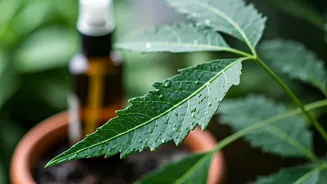
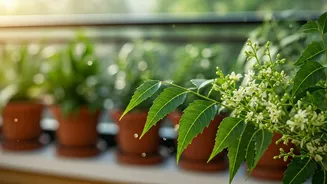
Neem oil is a naturally occurring pesticide found in the seeds of the neem tree (Azadirachta indica), a native to the Indian subcontinent. For centuries, it has been a cornerstone of traditional agriculture and medicine. When you see 'organic neem oil'
in stores, it typically refers to a product that is cold-pressed. This method extracts the oil without using heat or chemical solvents, which preserves the complex active compounds, most notably azadirachtin. This key ingredient is what makes neem oil such a potent tool for gardeners. It acts as a powerful insect repellent, growth disruptor, and feeding deterrent, all while being biodegradable and non-toxic to most beneficial insects like bees and ladybugs when used correctly.
Humidity: A Balcony Garden's Biggest Challenge
While we might enjoy the relief that monsoon showers bring, the accompanying high humidity creates a perfect breeding ground for a host of plant problems. On a balcony, where air circulation can be limited compared to an open garden, this issue is magnified. Fungal diseases like powdery mildew—that white, dusty coating on leaves—and black spot thrive in damp, warm conditions. At the same time, pests like spider mites, aphids, and whiteflies reproduce rapidly. This combination of fungal and pest pressure can quickly overwhelm even the most lovingly tended plants, leading to yellowing leaves, stunted growth, and eventually, the demise of your favourite flowering or vegetable plants.
How Neem Oil Fights Back
This is where neem oil shines as a multi-purpose solution. It works on several fronts. As a fungicide, it can prevent fungal spores from germinating, stopping diseases like powdery mildew and rust before they take hold. As a pesticide, it’s not a blunt-force poison that kills on contact. Instead, the azadirachtin compound interferes with the insect life cycle. It can stop larvae from maturing, disrupt mating behaviours, and make leaves unpalatable to chewing and sucking pests. This makes it an excellent preventative measure. By applying it regularly during humid months, you create an environment where pests and diseases simply cannot establish a foothold. It’s a proactive strategy, not just a reactive cure.
How to Mix and Use Neem Oil Correctly
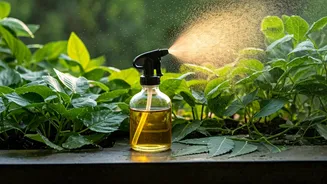
Using neem oil effectively requires proper mixing, as oil and water don't naturally combine. You will need three things: cold-pressed neem oil, water, and a mild liquid soap to act as an emulsifier. A standard ratio for a preventative spray is 1 teaspoon (5ml) of neem oil and ½ teaspoon (2.5ml) of liquid soap per 1 litre of warm water. First, mix the soap into the water thoroughly. Then, slowly add the neem oil while stirring vigorously. This creates a stable emulsion that won't separate. Pour this mixture into a spray bottle. The best time to spray your plants is in the early morning or late evening. Avoid spraying in direct sunlight or high heat, as the oil can burn the leaves. Coat all surfaces of the plant, including the undersides of leaves where pests love to hide. For prevention, a weekly or bi-weekly application during humid seasons is ideal.
Important Precautions for Balcony Gardeners
While organic, neem oil is still a potent substance. Always perform a patch test on a small leaf and wait 24-48 hours to ensure your plant doesn't have an adverse reaction. Some plants with delicate foliage can be sensitive. Never apply it to plants that are stressed from lack of water or extreme heat. When you mix a batch, use it immediately, as the active compounds begin to break down within a few hours. Always shake the spray bottle frequently during application to keep the solution well-mixed. Finally, while it is safe for beneficial insects like bees, it’s best to spray in the evening when these pollinators are less active, ensuring you protect the friends of your garden while targeting its foes.