

A new skincare hack is taking over social media: freezing your retinol serum into ice cubes. The promise? A depuffed face and an instant glow. But before you rush to the freezer, let's separate the cold, hard facts from the viral fiction.
The Viral Promise: What Are Retinol Ice Cubes?
The trend is
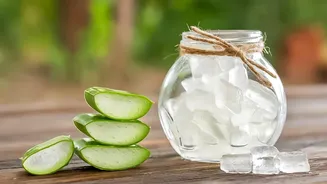
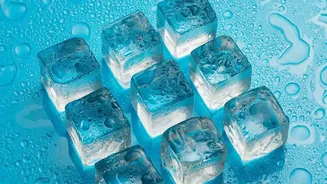
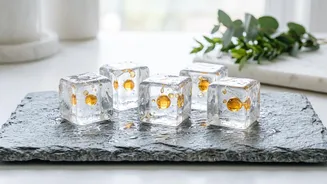
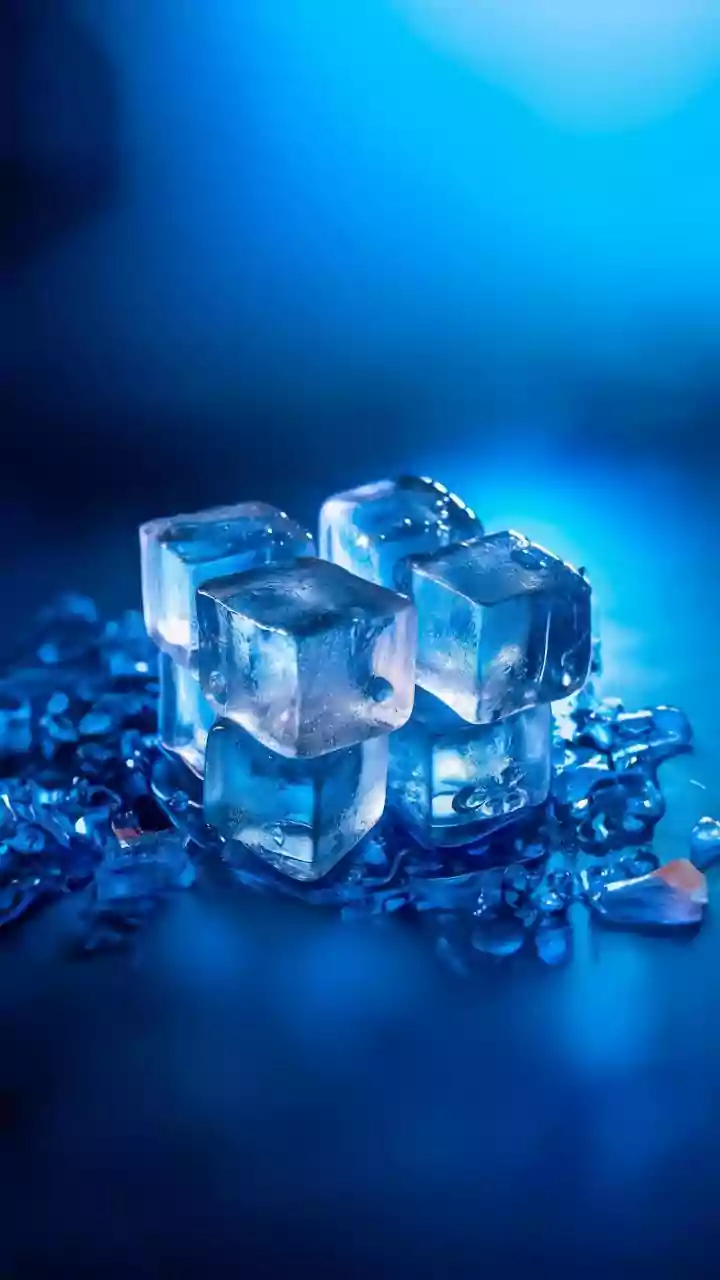
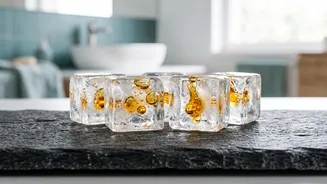
simple and has spread rapidly across platforms like TikTok and Instagram. It involves pouring a retinol-based serum into an ice cube tray, freezing it, and then massaging the frozen cube over the face. Proponents claim this combines the anti-ageing power of retinol with the de-puffing, circulation-boosting benefits of skin icing (also known as cryotherapy). The supposed result is skin that looks instantly tighter, brighter, and more radiant, while also receiving the long-term benefits of retinol.
Fact Check: The Science of Retinol
Retinol is hailed as a gold-standard ingredient in dermatology for a reason. A derivative of Vitamin A, it works on a cellular level to accelerate skin cell turnover and stimulate the production of collagen. This process helps to smooth fine lines, improve skin texture, and fade hyperpigmentation over time. However, the key phrase is 'over time'. Retinol is a marathon, not a sprint; its visible effects take weeks, and often months, of consistent use to appear. It does not and cannot provide an 'instant' glow or wrinkle reduction. It works deep within the skin, not just on the surface.
Fact Check: The Power of Cold Therapy
Applying cold to the skin, or 'skin icing', does have temporary benefits. The cold temperature constricts blood vessels, which can reduce puffiness and inflammation, especially under the eyes. This vasoconstriction can also make pores appear temporarily smaller, giving the skin a smoother look. When the skin warms up again, blood flow increases, which can provide a temporary, healthy-looking flush. This immediate de-puffing and tightening is likely the 'instant glow' that users are experiencing, but it's an effect of the ice, not the retinol.
Myth vs. Reality: A Risky Combination
Combining these two elements is where the logic of this DIY hack melts away. First, retinol is a notoriously unstable molecule, sensitive to light, air, and temperature. Most skincare formulas are designed to be stable at room temperature. Freezing and then thawing a retinol serum can break down the formula, causing ingredients to separate and potentially degrading the active retinol, rendering it less effective or even completely useless. While some sources suggest refrigeration can preserve retinol, freezing is a different story and can destroy the product's potency.
The Dermatologist's Verdict: Potential for Harm
Beyond being ineffective, this trend poses several risks. Applying ice directly to the skin can cause redness, irritation, and even ice burn or frostbite if held in one place for too long. For those with sensitive skin or conditions like rosacea, the extreme cold can damage delicate capillaries, leading to more redness and inflammation. Furthermore, retinol itself can be irritating, causing dryness and peeling, especially when first introduced into a routine. Applying it in an uncontrolled manner via a melting ice cube could lead to an uneven application and heighten the risk of irritation without any of the proven benefits.
A Smarter Approach for a Real Glow
To get the true benefits of both retinol and cold therapy, it's best to keep them separate. Use a properly formulated retinol serum at night as directed by the product instructions or a dermatologist. Apply a pea-sized amount to clean, dry skin, followed by a moisturiser. For de-puffing and a temporary glow, use plain ice cubes wrapped in a soft cloth and gently glide them over your face for a minute or two in the morning. This approach is safer, more effective, and ensures you are getting the full, scientifically-backed benefits from your expensive retinol serum, rather than just rubbing a degraded, potentially irritating product on your skin.