





The Hidden Cost of One-Night Glamour
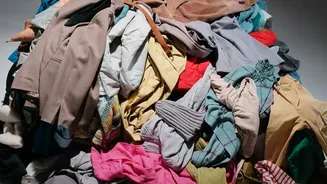
From Diwali parties to an endless stream of weddings, the pressure to show up in a new outfit for every event is immense. This ‘one and done’ mentality, however, has a significant downside. India generates approximately 7.8 million tonnes of textile waste
annually, with the fast fashion model accelerating a cycle of buy, wear once, and discard. This contributes to overflowing landfills and significant pollution, as many modern fabrics are not biodegradable. Beyond the environmental toll, the financial strain is real. An expensive lehenga or sherwani worn for a single evening represents poor value. This culture of disposable occasion wear is not just unsustainable; it's a missed opportunity to build a truly stylish and personal wardrobe.
A New Value Metric: Cost Per Wear
Instead of focusing on the initial price tag, a more intelligent way to assess value is by calculating the 'cost per wear'. The formula is simple: divide the total cost of an item by the number of times you wear it. A ₹3,000 kurta worn ten times has a cost per wear of just ₹300. In contrast, a ₹5,000 sherwani worn only once has a cost per wear of ₹5,000. This simple calculation reframes how we view our purchases. It encourages investing in higher-quality, more timeless pieces that you will love and wear for years, rather than succumbing to the temptation of cheap, trendy items that don't last. A lower cost per wear signifies a smarter, more sustainable wardrobe investment.
Building Your Rewear Plan: The Investment Piece
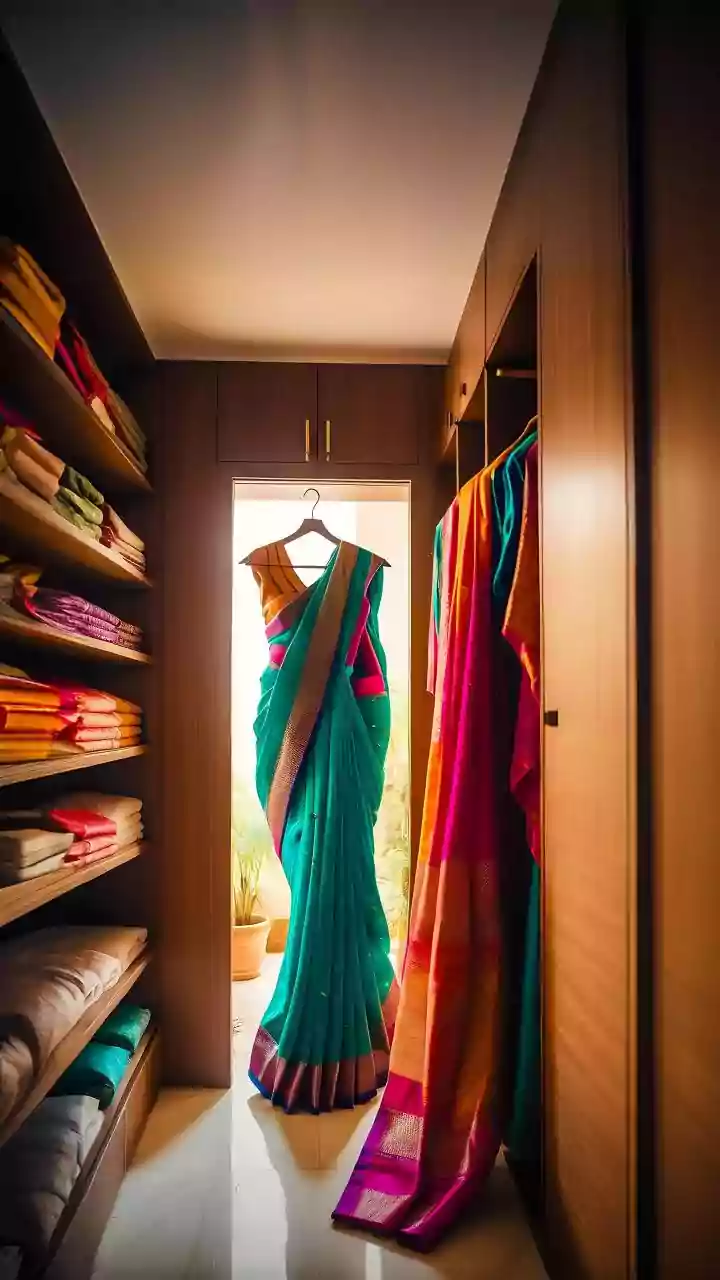
The foundation of a rewear plan is the investment piece. This doesn't necessarily mean expensive, but rather versatile and well-made. When shopping for occasion wear, look for classic silhouettes and high-quality fabrics that will stand the test of time. Think of a beautifully tailored bandhgala, a classic silk saree, or a well-fitting lehenga skirt in a versatile colour. These pieces act as a canvas. They can be dressed up or down and styled in numerous ways for different events. By choosing items you genuinely love and feel confident in, you'll be more inclined to wear them again, reducing both waste and the mental stress of constantly hunting for something new.
The Art of the Restyle: Making It New Again
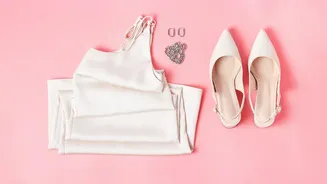
Rewearing an outfit doesn't mean it has to look the same every time. The magic is in the restyling. A heavy brocade lehenga skirt can be paired with a simple silk shirt or even a trendy crop top for a friend's sangeet. A classic saree can be draped differently or belted for a modern twist. For men, a sharp blazer from a suit can be worn with tailored trousers or even smart jeans for a less formal event. Changing your accessories—a different dupatta, statement jewellery, a new pair of shoes, or a bag—can completely transform the look. Experimenting with different combinations allows you to creatively express your personal style while getting the most out of your wardrobe.
The Smart Alternative: Embrace Rentals and Swaps
Sometimes, you really do want a showstopper for a truly special occasion. This is where the growing fashion rental market in India comes in. Platforms allow you to rent designer outfits for a fraction of the retail price, giving you that 'new outfit' feeling without the long-term cost or clutter. The online clothing rental market in India is projected to grow significantly, driven by a desire for both sustainability and affordable access to luxury fashion. Organising a clothing swap with friends is another fantastic, community-driven way to refresh your occasion wardrobe without spending a rupee. Both options offer variety and excitement while promoting a circular fashion economy.