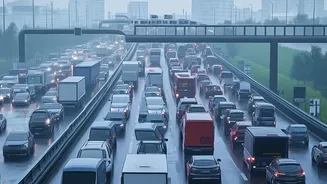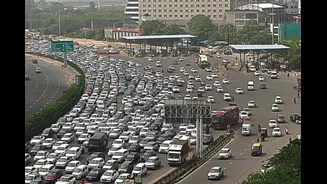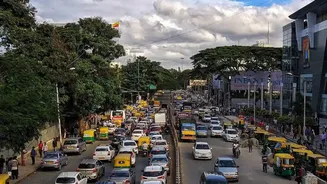






Brace for new travel rules. Starting November 1, Delhi is implementing a major entry ban for certain vehicles as part of its winter anti-pollution plan. For the lakhs of daily commuters from NCR, here's a breakdown of what this means for your journey.
What Is Happening and Why?
To combat the severe air pollution that plagues the capital each winter, authorities are enforcing stringent measures under the Graded Response Action Plan (GRAP). This entry ban is a key part of Delhi's Winter Action Plan, aimed at reducing vehicular emissions, which are a major contributor to the city's toxic air. The restrictions will be in effect from November 1, 2026, until January 31, 2027. This is a preventive measure based on forecasts that predict a sharp decline in air quality.
Which Vehicles Are Banned?
The primary focus of the ban is on vehicles registered outside of Delhi that do not comply with Bharat Stage VI (BS-VI) emission norms. This includes older petrol and diesel private cars, specifically BS-III and BS-IV models. The ban also heavily targets commercial vehicles. Trucks are not allowed to enter Delhi, and non-BS-VI diesel light commercial vehicles registered outside the capital will also be denied entry. It is estimated that this will affect over 10 lakh vehicles in the surrounding NCR cities of Gurugram, Faridabad, Noida, and Ghaziabad.
Are There Any Exemptions?
Yes, several categories of vehicles are exempt from the ban. If your vehicle runs on CNG or is an electric vehicle (EV), you will be allowed to enter Delhi. BS-VI compliant vehicles, regardless of fuel type, can also enter the capital. Furthermore, the ban does not apply to emergency service vehicles like ambulances and fire tenders, or those carrying essential goods and services as specified by the authorities. The restriction specifically targets vehicles registered outside Delhi, so Delhi-registered vehicles are not covered by this particular entry ban, though they must still follow other local pollution rules.
How Will the Ban Be Enforced?
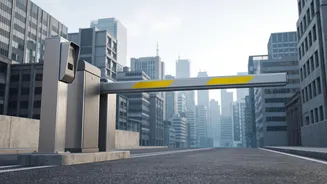
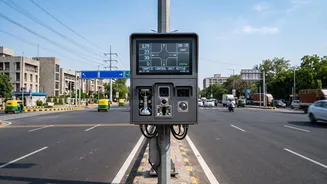
Enforcement will be strict at all major entry points to Delhi. Around 300 personnel from the transport department's enforcement teams will be deployed. Authorities are using technology to support physical checks. AI-powered Automatic Number Plate Recognition (ANPR) cameras are being installed at border checkpoints to automatically scan vehicle registration plates and identify non-compliant vehicles. This will help flag vehicles for checks and ensure that only permitted vehicles can pass through.
What Is the 'No PUC, No Fuel' Rule?
Alongside the entry ban, a 'No PUC, No Fuel' policy will be strictly enforced across Delhi. This means any vehicle, regardless of where it is registered, will be denied petrol, diesel, or CNG at fuel stations if it does not have a valid Pollution Under Control (PUC) certificate. Fuel stations will use systems to check the validity of the PUC certificate before dispensing fuel. Driving without a valid PUC certificate can lead to a fine of ₹10,000.
What Should Commuters Do?
The most important step is to check your vehicle's emission standard. You can find this on your vehicle's Registration Certificate (RC) or by using the online VAHAN database. If you own a non-BS-VI vehicle registered outside Delhi, you will need to find alternative transport. Authorities are urging commuters to use public transport systems like the Delhi Metro and interstate bus services, which will see increased frequency. Carpooling is also being encouraged to reduce the number of private vehicles on the road. Planning your travel in advance will be crucial to avoid being turned back at the border.