




The Foundation: A Satellite That Changed the Game
For years, the gold standard of U.S.-India space cooperation was the NISAR satellite. Launched in 2025, the NASA-ISRO Synthetic Aperture Radar mission was a monumental joint effort to create the world's most advanced Earth-imaging satellite. By combining
two different radar frequencies, NISAR can peer through clouds and darkness to monitor tiny changes in the planet’s surface, from melting glaciers and shifting coastlines to the impacts of earthquakes and volcanic eruptions. Since becoming operational, NISAR has been providing a steady stream of critical data to scientists worldwide, helping track the effects of climate change and manage natural disasters. This successful collaboration built a deep well of trust and technical interoperability between the two space agencies, setting the stage for even more ambitious projects.
The Next Frontier: Humans in Space
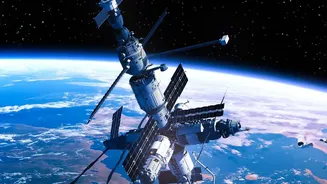
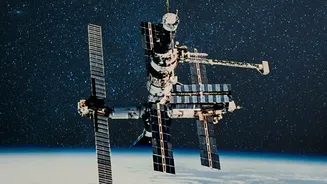
The focus of the partnership is now shifting from observing Earth to leaving it. Building on India's 2023 signing of the Artemis Accords—a U.S.-led framework for responsible lunar exploration—the two nations are actively planning for joint human spaceflight missions. This cooperation has concrete goals. An early step involves sending an Indian astronaut, selected from the country's own 'Gaganaut' corps, to the International Space Station (ISS) aboard a U.S. commercial spacecraft. This mission will provide invaluable experience for India's ambitious Gaganyaan program, which aims to launch its own crewed missions, and give the U.S. another trusted partner aboard the aging but vital orbital laboratory.
An Invitation to the Moon
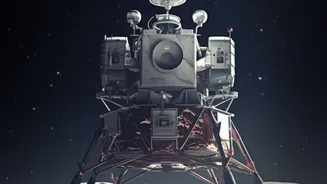
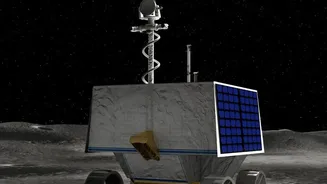
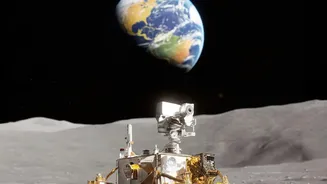
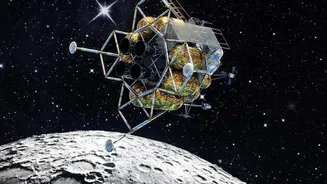
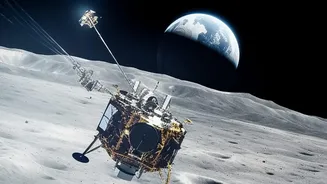
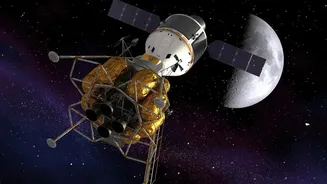
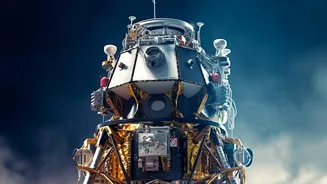
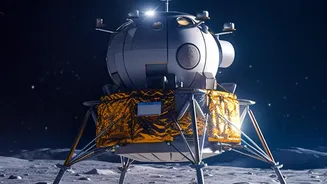
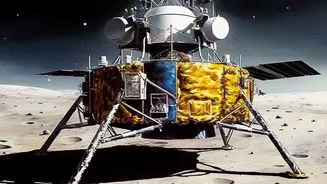
The collaboration's horizon extends all the way to the Moon. During the most recent meeting of the India-U.S. Civil Space Joint Working Group in August 2026, NASA formally invited the Indian Space Research Organisation (ISRO) to participate in its ambitious Moon Base program. This initiative aims to build a permanent, sustainable human presence at the lunar south pole, a region believed to hold valuable water ice resources. For the U.S., bringing India into the fold means sharing the immense financial and technological burden of lunar settlement. For India, which has its own long-term goal of landing an astronaut on the Moon by 2040, it offers a chance to accelerate its deep-space capabilities by collaborating on habitats, power systems, and robotics.
Why This Partnership Matters
This deepening alliance is about more than just science and exploration; it's a major strategic development. From Washington's perspective, a robust space partnership with New Delhi strengthens a key democratic ally in the Indo-Pacific, creating a powerful counterbalance to the space ambitions of nations like China and Russia. This collaboration falls under the broader U.S.-India 'Transforming the Relationship Utilizing Strategic Technology' (TRUST) Initiative, which aims to align the two countries on critical and emerging technologies. By working together on everything from data sharing to spaceflight safety, the U.S. and India are not just planning missions—they are jointly shaping the rules and norms that will govern humanity's future in space.