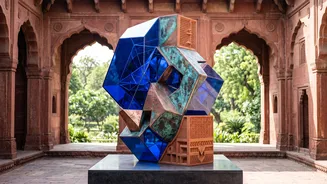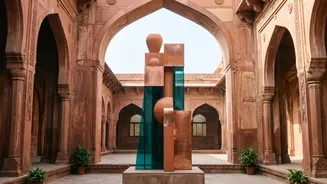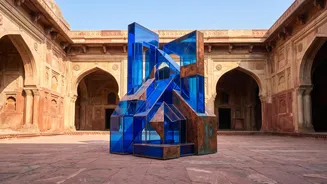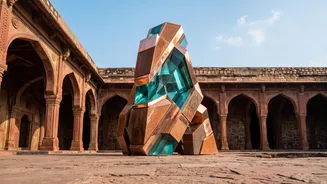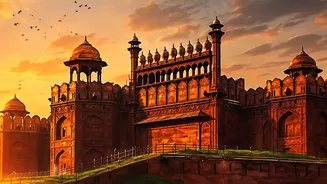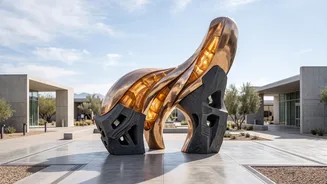


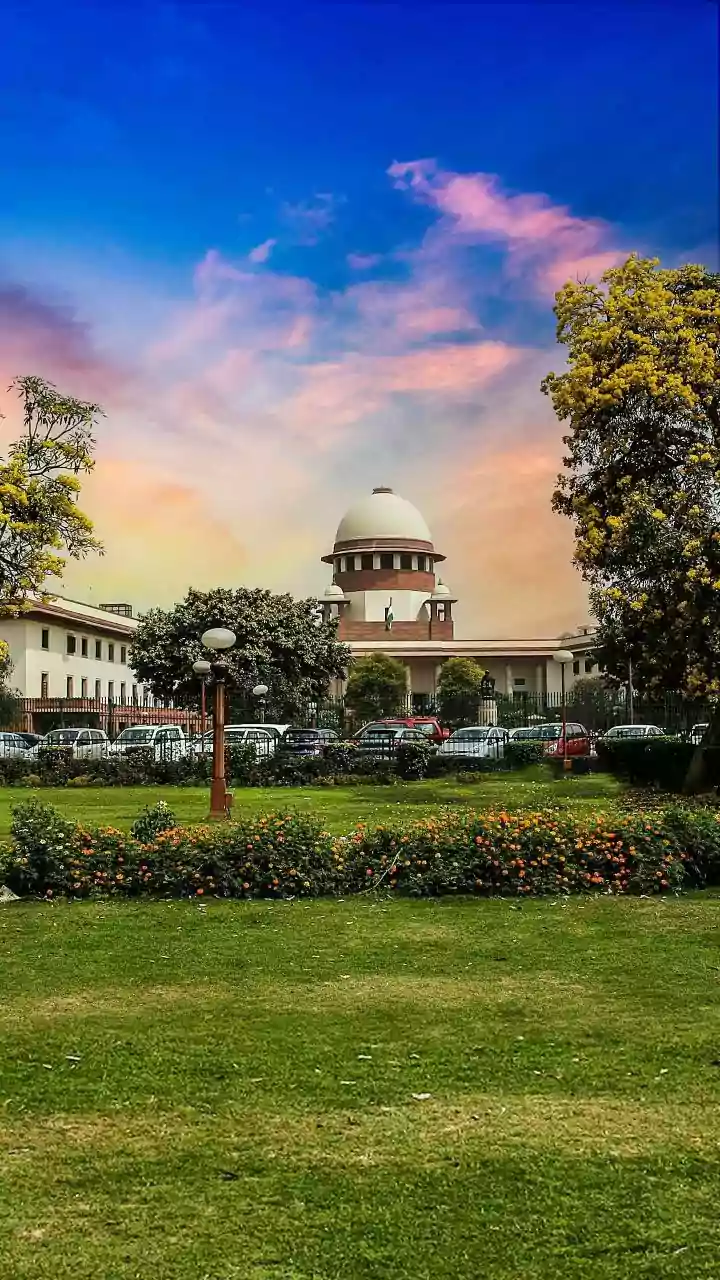
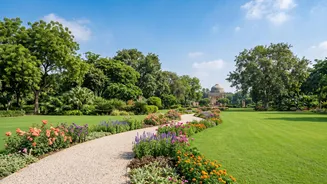
This winter, Delhi is transforming its most treasured historical landmarks into a sprawling canvas for contemporary art. Get ready to experience the capital's iconic monuments not just as relics of the past, but as vibrant, living venues for culture.
Introducing the India Biennale 2026
Delhi is preparing to host the second edition of the India Biennale, a massive, 108-day celebration of contemporary art, architecture, and design. Organised by the Ministry of Culture, the event will run from December 4, 2026, to March 21, 2027. Following a successful inaugural edition in 2023, this year's festival is expanding across the entire city, turning dozens of heritage sites, museums, and public spaces into an interconnected cultural landscape. The goal is to create a city-wide platform for creative expression and dialogue, inviting both residents and tourists to rediscover Delhi's urban fabric through the lens of modern creativity.
Heritage Sites as Modern Galleries
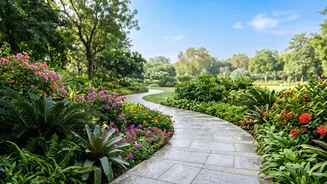
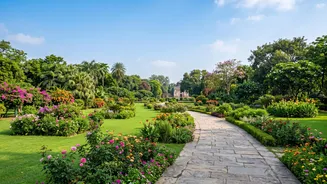
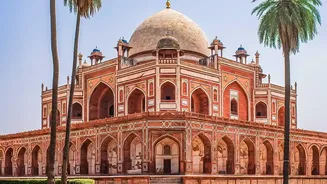
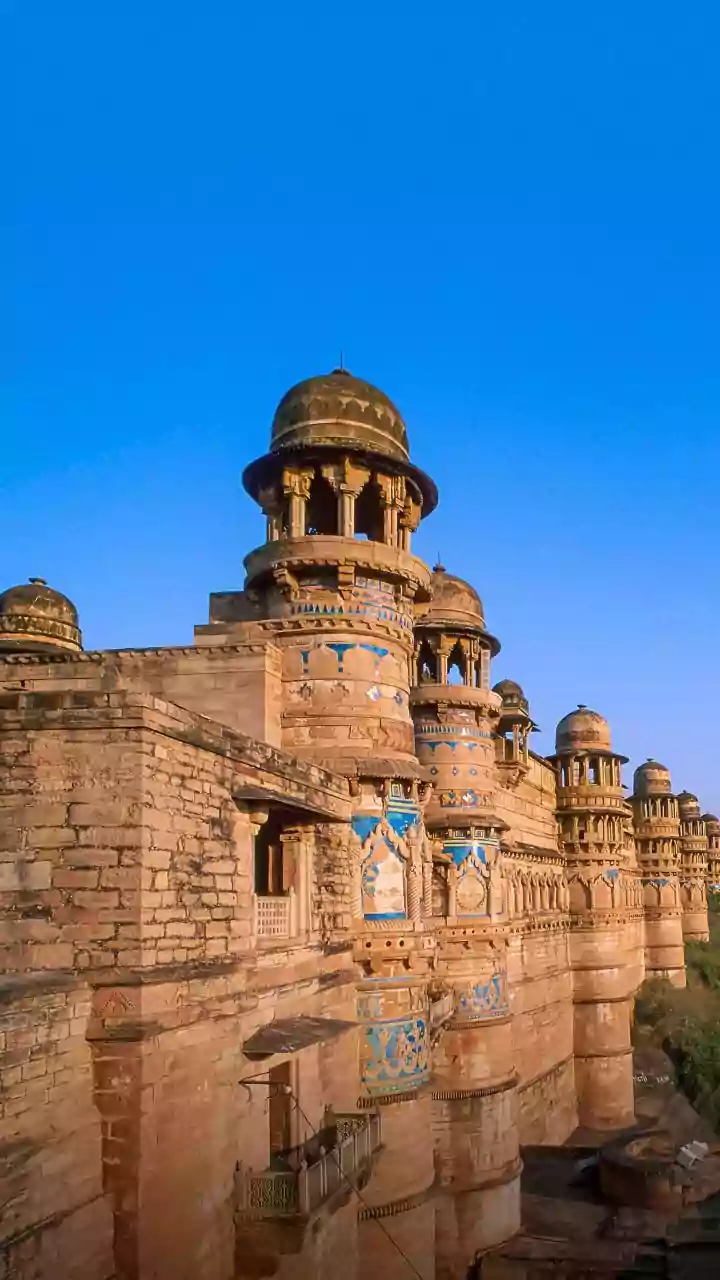
The most exciting aspect of the biennale is its use of Delhi's architectural heritage as a backdrop for new works. Instead of confining art to traditional galleries, the programme situates it within the city's most storied locations. The main venue will be the 16th-century Purana Qila, but the festival will extend to over 20 other sites. Imagine contemporary installations at UNESCO World Heritage Sites like the Red Fort, Qutub Minar, and Humayun's Tomb. Other key locations include Jantar Mantar, Safdarjung Tomb, Lodhi Garden, Hauz Khas, and Agrasen ki Baoli, creating a powerful dialogue between India's rich history and its creative future. This approach allows artists to create site-specific works that respond directly to the history and character of these iconic landmarks.
Theme and Featured Installations
The curatorial theme for the 2026 edition is 'Tat Tvam Asi' (You Are That) – Reconnecting in an Age of Distraction. The theme invites artists and audiences to slow down and forge deeper connections with themselves, each other, and the urban environment. The biennale will feature a diverse range of works, from handmade crafts to immersive digital and new-media art. Several prominent cultural institutions are participating, including the Kiran Nadar Museum of Art, the Nita Mukesh Ambani Cultural Centre (NMACC), and the Gujral Foundation. Highlights to look out for include 'A Woven Line of Control' at Purana Qila, 'Varanasi the Timeless' by artist Paresh Maity and designer Ritu Beri at Qutub Minar, and 'Shehr Mehrauli: Where Memory Meets Water' at the Mehrauli Archaeological Park. The event will also feature international participation from over 20 countries.
More Than Just Exhibitions
Beyond the static installations, the India Biennale will be a dynamic festival with a packed schedule of events. The programme includes a dedicated Student Biennale, providing a major platform for young artists from schools and colleges across the country to showcase their work at venues like the National School of Drama and Lalit Kala Akademi. Embassies are also invited to host their own cultural programming, adding an international layer to the citywide celebration. Visitors can expect a variety of workshops, panel discussions, and performances to take place throughout the 108day event. This multifaceted approach aims to foster a strong connection between artists, institutions, and the public, making art accessible and engaging for everyone.
How to Plan Your Visit
Navigating a festival of this scale requires some planning. For the duration of the biennale, a new 'India Biennale Pass' will replace the standard entry tickets at all participating monuments and museums. These integrated passes will be available for purchase with prices starting from ₹100. With venues spread across Delhi, the Metro is your best friend for getting around; key stations like Supreme Court, Khan Market, Lal Quila, and JLN Stadium offer easy access to the main hubs. The primary anchor venue is Purana Qila, which will host state pavilions and flagship exhibitions, making it a great starting point for your cultural exploration. Keep an eye on the official India Biennale website for the final schedule and ticketing portal.